



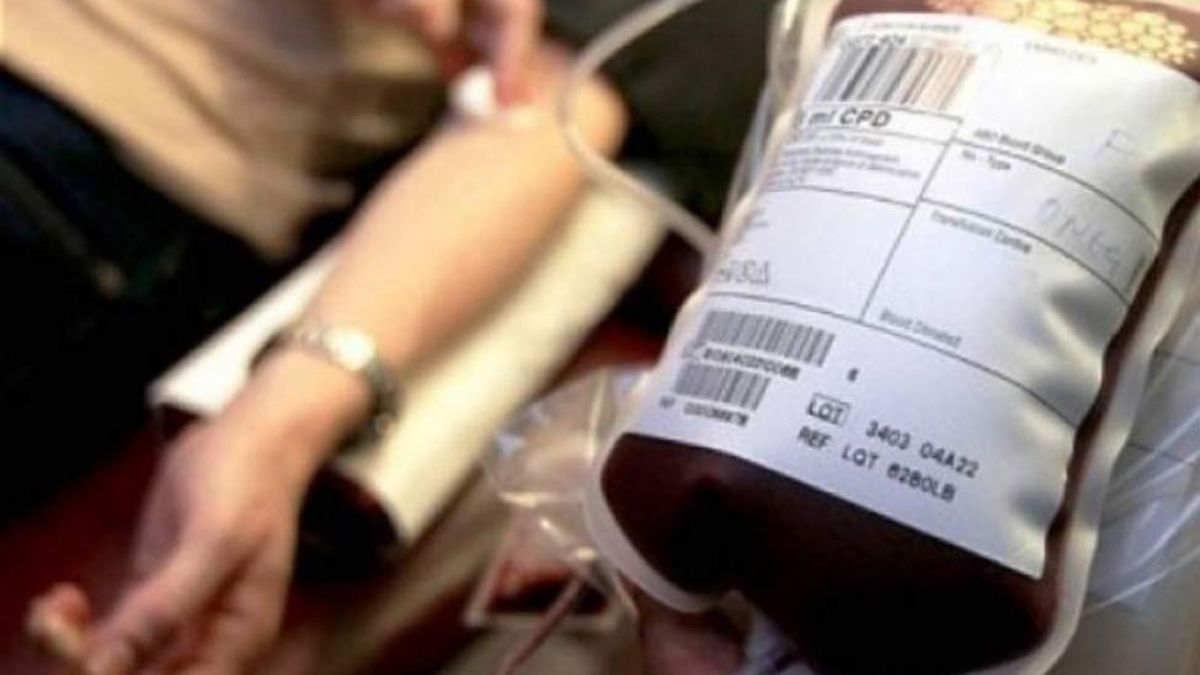
Every year on May 8, World Thalassemia Day reminds us of a crisis that India can no longer afford to ignore. Picture a six-year-old child in a small town in Punjab or Gujarat: pale, exhausted, hooked to a blood transfusion bag yet again.
This is not a rare tragedy. It is the daily reality for tens of thousands of Indian families. India is the thalassemia capital of the world. With 3-4 per cent of the population carrying the beta-thalassemia trait — roughly 40-50 million silent carriers — we see 8,000 to 10,000 children born every year with thalassemia major. That is one child every hour condemned to a lifetime of pain, dependency, and uncertainty. The agony does not end with the diagnosis.
How does thalassemia affect children?
Thalassemia major turns childhood into a medical marathon. Children require blood transfusions every 15-20 days to stay alive. Between transfusions, iron from the donated blood builds up in their organs like rust in an engine, slowly destroying the heart, liver, and endocrine system.
Chelation therapy, the only way to remove this excess iron, involves painful daily injections or oral drugs that cause nausea, hearing loss, and growth failure. Many patients endure chronic bone pain, especially in the back and legs.
Studies show over 60 per cent suffer debilitating pain in any given month. Osteoporosis fractures, delayed puberty, stunted growth, and repeated hospital visits become the norm. Families watch their children miss school, sports, and friendships. Mothers quit jobs. Fathers sink into debt. The emotional toll is crushing — anxiety, depression, and social stigma haunt entire households. For millions, thalassemia is not just a disease; it is a life sentence of physical torment and financial ruin.
Thalassemia is not inevitable
Thalassemia is entirely preventable through awareness and simple screening. Countries like Cyprus and parts of Italy have virtually eliminated new cases by making carrier testing routine before marriage or pregnancy.
A basic blood test can detect carriers. When two carriers marry, prenatal diagnosis offers them informed choices. Antenatal screening for every pregnant woman, combined with premarital counselling and public education campaigns, can break the chain of inheritance.
In India, where consanguineous marriages and community clustering amplify the risk, universal screening is not a luxury — it is a national imperative. We have the technology. What we lack is the political will and widespread awareness. Too many young couples still discover their carrier status only after their child is born with the disease.
For those already living with thalassemia major, hope exists — but it is expensive and unevenly distributed. Lifelong transfusions and chelation manage the condition, yet they do not cure it.
The only established cure is bone marrow transplant (BMT) or haematopoietic stem cell transplant from a matched donor, ideally a sibling. When performed early, before iron overload damages organs, success rates are excellent. Emerging gene therapies — which repair the faulty gene in the patient’s own stem cells — offer even greater promise of a one-time, lifelong cure without donor dependency. But both options remain out of reach for most families. The cost runs into lakhs, often crores, and public hospitals are overburdened.
This is where visionary corporate responsibility steps in and shows what is possible. Coal India Limited’s Thalassemia Bal Sewa Yojana (TBSY), launched in 2017 as a flagship CSR initiative, stands as a beacon of hope.
In partnership with top hospitals across the country, TBSY provides financial assistance of up to Rs 10 lakh per child for bone marrow transplants. It targets underprivileged families who could never dream of curative treatment. Today, TBSY has treated over 1,000 children, giving them the chance at a normal life free from transfusions and the shadow of early death. These are not just statistics — these are children who can now run, study, and dream without the constant drip of blood and drugs. Coal India has proven that public-sector muscle combined with compassion can deliver life-changing results.
On this World Thalassemia Day, we must turn admiration into action. The government, medical fraternity, corporates, and civil society need to scale up what works. Make thalassemia carrier screening mandatory in school health programmes, premarital check-ups, and all antenatal care under Ayushman Bharat. Launch a national awareness drive that reaches every village and mohalla. Increase funding for BMT centres and subsidise gene therapy research so cures become affordable. Expand successful models like TBSY to cover every eligible child in the country. Thalassemia is not a death sentence if we choose prevention and cure over perpetual management.
The children hooked to those transfusion bags are not asking for sympathy. They are asking for a future. On World Thalassemia Day, let us pledge that no more Indian children will be born into this preventable agony. Let screening become our shield, awareness our weapon, and initiatives like TBSY our proof that India can — and must — become thalassemia-free. The science is ready. The time is now.
The writer is a paediatric haematologist and a bone marrow transplant specialist in New Delhi. He is also a researcher innovating cell therapy solutions.
The opinions expressed in this article are those of the author and do not purport to reflect the opinions or views of THE WEEK.
