



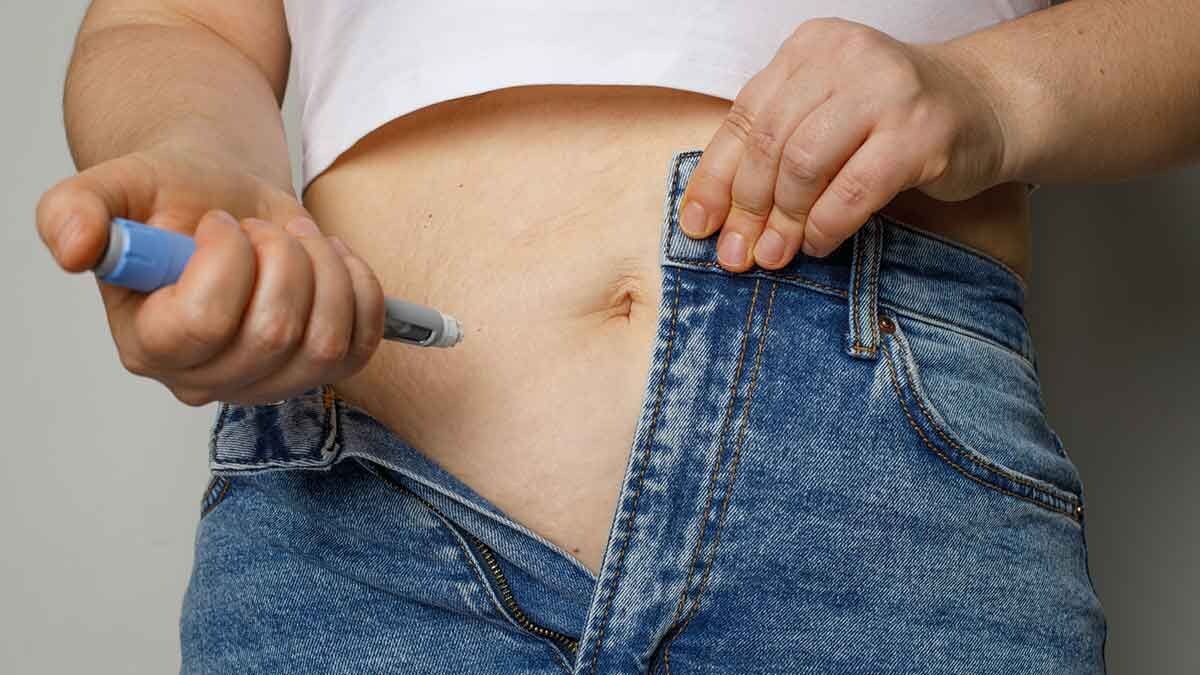
A patient walked into my clinic last month having lost eleven kilograms in six weeks. She looked thinner. She also looked unwell. Her muscle mass had dropped significantly, her hair was thinning, and her bloodwork showed early signs of nutritional deficiency.
She had been self-administering a GLP-1 receptor agonist — purchased through an Instagram contact — without any medical supervision. She isn't an outlier. She's becoming the norm.
The appeal is obvious
GLP-1 receptor agonists like semaglutide and tirzepatide — marketed globally as Ozempic, Wegovy, and Mounjaro — represent a genuine pharmacological advance. The STEP trials demonstrated an average weight loss of 15-17 per cent of body weight. The SELECT trial showed cardiovascular benefit independent of diabetes status. These are not frivolous drugs. They work, and the science behind them is robust.
But robust science and safe unsupervised use are entirely different things.
What self-use actually looks like
In Indian metros, these injections have moved from endocrinology clinics to WhatsApp groups. Patients are dosing themselves based on advice from social media influencers, titrating upwards without monitoring, and — most critically — eating almost nothing because the drugs suppress appetite so effectively.
This is where the pharmacology becomes a clinical problem. GLP-1 agonists reduce hunger dramatically. Without nutritional guidance, patients don't just eat less — they eat poorly. Protein intake collapses.
When you're consuming 600-800 calories a day, much of which is tea and biscuits, your body doesn't selectively burn fat. It breaks down muscle.
The result is what researchers now call 'muscle wasting with weight loss' — you lose kilograms on the scale, but a disproportionate share of that loss is lean tissue.
For Indian patients, who already tend to have less muscle mass than Western populations, this is particularly dangerous. You end up metabolically worse despite looking thinner.
The Indian metabolic context matters
India's metabolic phenotype complicates this further. We see insulin resistance at BMIs that would be considered normal by Western standards. A 68-kilogram man with a 36-inch waist and a fasting insulin of 22 is metabolically obese — but he doesn't look it. When such patients use GLP-1 drugs unsupervised and lose muscle along with fat, they're accelerating toward what we call the 'skinny-fat' phenotype: low body weight, high metabolic risk. This is the opposite of what these drugs should achieve.
What supervised use looks like — and why it matters
Under proper medical supervision, GLP-1 therapy looks entirely different. The physician monitors body composition — not just weight. Protein intake is structured adequately at every meal to defend muscle mass.
Resistance training is prescribed specifically to counteract the muscle loss these drugs can cause. Micronutrient levels are tracked. The drug dose is titrated based on clinical response, not based on what someone read on Reddit.
Most importantly, supervised care addresses the question nobody asks when they're ordering injections online: what happens when you stop? Without structural changes to diet and exercise habits, the weight returns — and often it returns as fat, not muscle. The patient ends up heavier and more insulin resistant than before they started.
The real problem isn't the drug
I want to be clear: I'm not against GLP-1 medications. For the right patient, under proper supervision, they can be a valuable tool — particularly as a bridge while metabolic rehabilitation takes hold.
The problem is that a prescription medication with real side effects, nutritional consequences, and rebound risk is being treated like a consumer product.
Weight loss is not the same as metabolic health. Losing twelve kilograms while your muscle mass drops, your bone density declines, and your nutritional status deteriorates isn't progress — it's a different kind of damage wearing a thinner disguise.
The boom in self-administered weight-loss injections across India isn't a health care trend. It's a public health concern waiting to become a crisis. And by the time the consequences become visible — in fractures, in sarcopenia, in metabolic dysfunction that's harder to reverse than what patients started with — the Instagram accounts will have moved on to the next miracle.
(The author is the founder of Redial Clinic)
The opinions expressed in this article are those of the author and do not purport to reflect the opinions or views of THE WEEK.
