



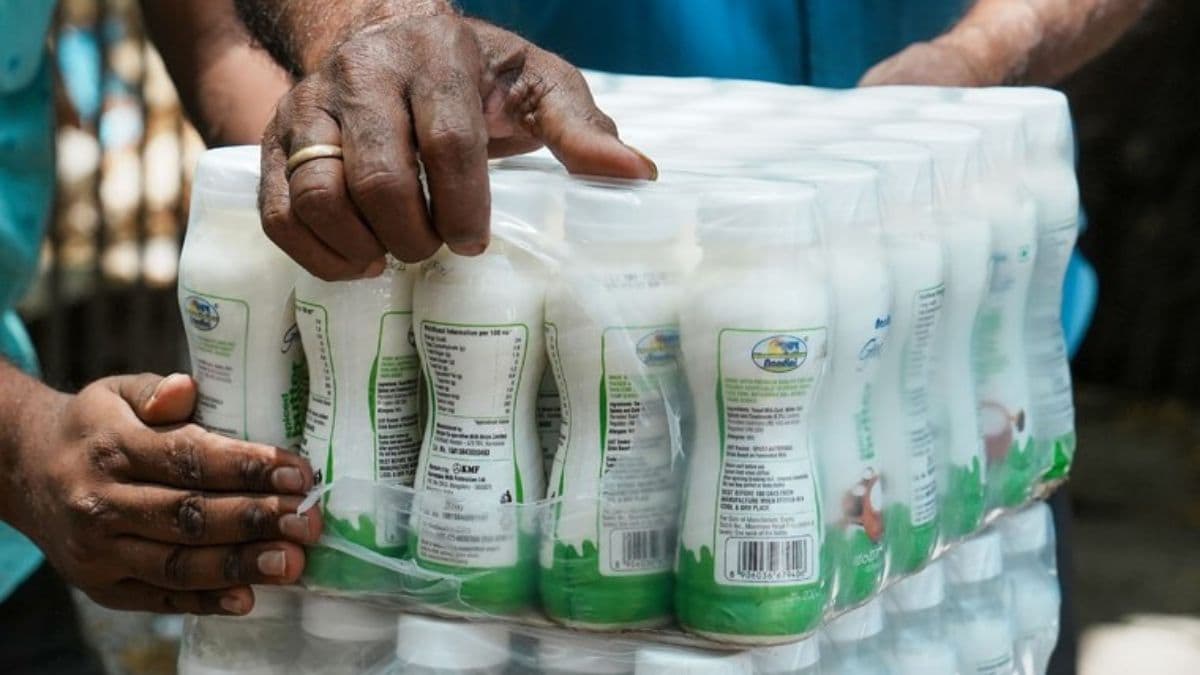
The death toll in the suspected milk adulteration tragedy in Andhra Pradesh’s East Godavari district has risen to 16. According to an official press release issued on Sunday, laboratory findings confirmed that all victims succumbed to multi-organ failure triggered by acute renal dysfunction.
The health crisis was first detected on February 22, when patients presenting with acute kidney failure were reported in Chowdeswaranagar and Swaroopanagar. Contaminated milk supplies across Lalacheruvu triggered severe health complications, resulting in a wave of emergency hospitalisations.
"Preliminary findings indicate that the victims suffered acute renal failure with elevated blood urea and serum creatinine levels, suggesting toxic exposure likely linked to contaminated milk consumption," the release said.
The investigators pointed out a chemical coolant leak from a vendor's refrigeration unit into the milk.
The milk supplied to over 100 families from a dairy unit in Narasapuram village, under Korukonda mandal, has been flagged as the suspected source of the contamination.
As many as 20 people were hospitalised, with three remaining under medical care.
Rapid Response Teams comprising medical specialists, epidemiologists and surveillance officers were constituted to monitor the situation, conduct field visits and ensure early identification of symptomatic cases.
Samples of milk, ghee, paneer, water and other materials were also inspected from the suspected dairy unit.
How ethylene glycol affects human body
Ethylene glycol is an organic chemical compound primarily used as an automotive antifreeze and engine coolant. Its low freezing point makes it ideal for preventing liquids from freezing in cold temperatures.
The real danger comes from how the liver breaks it down. When ingested, the body treats it like alcohol, but its metabolic byproducts are highly toxic cellular poisons. Once ingested, ethylene glycol is rapidly absorbed by the gastrointestinal tract and travels to the liver. The liver uses the same enzymes it uses to break down regular alcohol (ethanol) to process it, inadvertently creating a chain of toxins.
Though it is sweet in taste, it is highly toxic to the human body. It can cause nausea, vomiting, and dizziness if ingested. If consumed in large quantities, it may even lead to kidney failure and can be fatal.
As per the Food Safety and Standards Authority of India (FSSAI), there are simple and easy ways one can use at home to check milk purity, including the urea adulteration test, detergent adulteration test, synthetic milk test and water adulteration test.
