



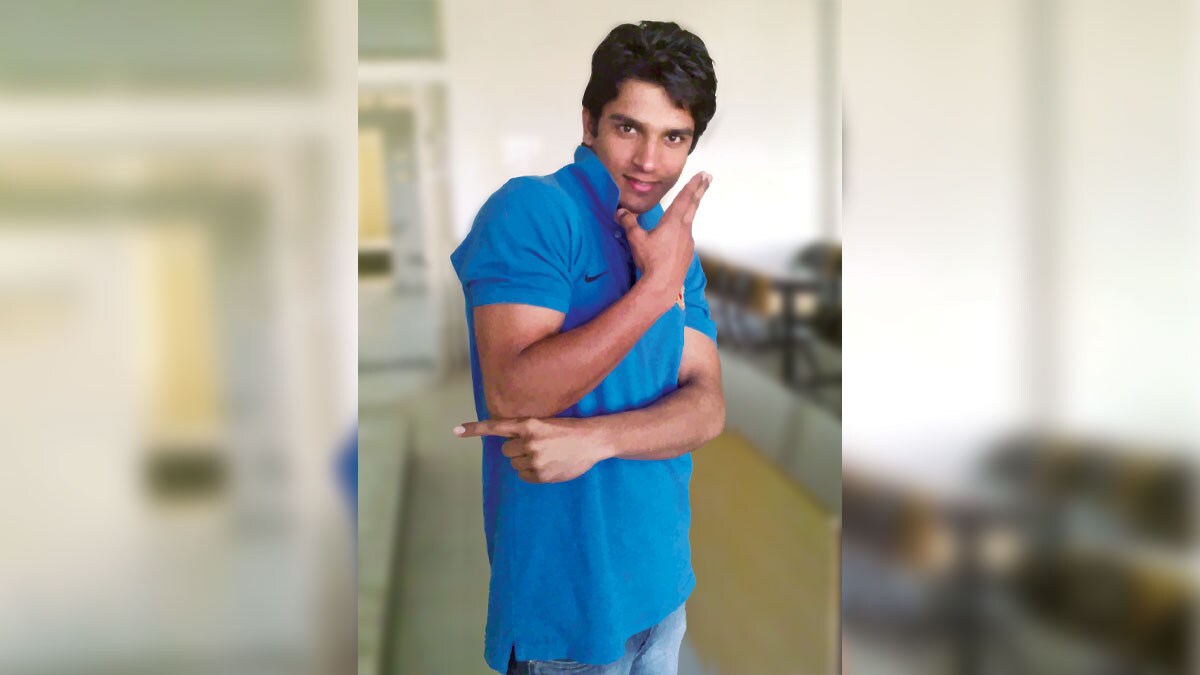
Harish Rana has remained in a permanent vegetative state since 2013 after an unfortunate fall from the fourth floor of a building that caused a traumatic brain injury.
The Supreme Court on Wednesday allowed the withdrawal of life-sustaining treatment for the 32-year-old, sparking debates and discussions around this medical procedure called 'euthanasia'.
Euthanasia, sometimes referred to as 'mercy killing', is the intentional act of ending a person’s life to relieve suffering. " It could be considered euthanasia if a doctor deliberately gave a patient with a terminal illness a drug they do not otherwise need, such as an overdose of sedatives or muscle relaxants, with the sole aim of ending their life," as per NHS.
It is usually considered for patients who are experiencing terminal illness, irreversible medical conditions, or prolonged vegetative states where recovery is extremely unlikely.
There are generally two types of euthanasia: active euthanasia and passive euthanasia. Active euthanasia involves directly administering substances or actions that cause death. Passive euthanasia, on the other hand, refers to withholding or withdrawing life-sustaining treatments such as ventilators, feeding tubes, or certain medications, allowing the patient to die naturally.
In Harish Rana's case, a Bench of Justices JB Pardiwala and KV Viswanathan permitted the withdrawal of clinically assisted nutrition and hydration (CANH) being administered to Rana through a PEG tube, while directing that the process be carried out in a manner that preserves dignity.
From a healthcare standpoint, physicians are trained to preserve life, but they are also responsible for minimising suffering. This creates a dilemma when treatments no longer improve a patient’s health but only prolong distress.
The Court has directed the All India Institute of Medical Sciences (AIIMS) to admit Rana to its palliative care centre, where the withdrawal of treatment will take place in a dignified manner.
