



I have never lived through a war myself. I am yet to know much about war because I have never been in one, but I have worked with refugees who have survived it for years. I have heard long stories about bombings, being forced to move, losing loved ones, and being unsure for a long time in the consulting room. I have also noticed something that has become more important in recent years: being close to war is not necessary to be affected by it. In the digital age, it frequently transpires via repetitive visual media.
The human stress response does not consistently differentiate between direct threat and vividly perceived threat. Repeated exposure to graphic images via television, social media, and online news can stimulate the autonomic nervous system in a manner akin to direct trauma exposure. People may say they have intrusive thoughts, trouble sleeping, irritability, increased alertness, and physical symptoms. For individuals with previous trauma histories, especially refugees and survivors of violence, media images can serve as trauma reminders, eliciting re-experiencing phenomena characteristic of post-traumatic stress disorder (PTSD).
In clinical practice, I have observed patients destabilised not by novel occurrences in their immediate environment, but by brief video clips accessed online. Even if you hear a sound like sirens or explosions on the news, it can bring back memories of trauma that you had before. Sensory cues, especially visual and auditory ones, are strong triggers for trauma, which is what we know about it.
The psychological effects of exposure to war-related media extend beyond trauma survivors. Studies conducted after significant disasters and terrorist incidents have shown that elevated media consumption correlates with heightened acute stress symptoms, even in individuals located far from the event. Being exposed to something again may lead to vicarious trauma, emotional numbness, and a constant feeling of danger. This can weaken emotional strength over time.
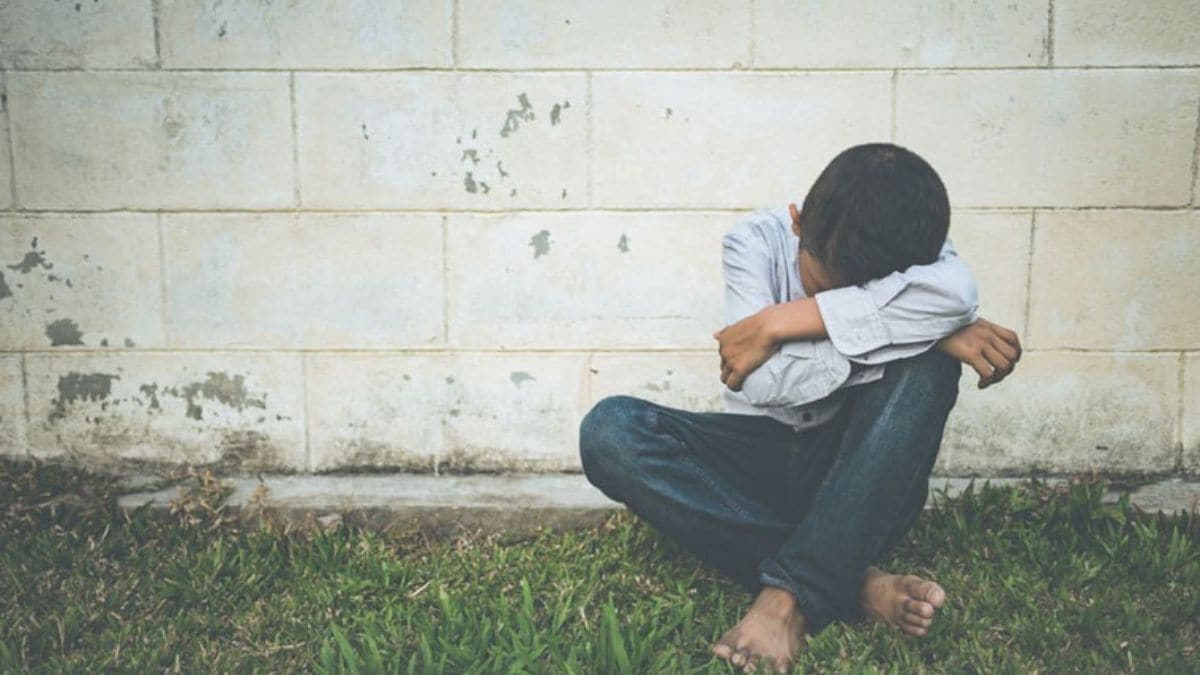
Children are a group of people who are especially at risk. They do not have the mental ability to put complicated geopolitical events into context. Children think in concrete terms. When they see pictures of destruction, they are less likely to understand distance or probability. Instead, they may think they are in danger right away. Older children and teenagers can get information on their own, often from sources that are not regulated or that make things more dramatic, which can make them more confused and scared.
In clinical settings, we frequently observe that children convey distress indirectly. They see adults acting differently, like changing their routines, having anxious conversations, and watching more media. Even when they are not told directly, they can guess that something bad has happened. Without accurate information, children may make terrible guesses to fill in the blanks.
One of the main goals of carers is to help people make sense of things. Instead of giving too much information or not talking about the subject at all, adults can find out what the child has already seen or heard. An open-ended question like "What have you noticed about what's going on?" lets the child lead the conversation based on what they see. This method lowers the chance of overwhelming them while still making sure that their specific worries are taken care of.
Limiting exposure to distressing media is a practical and evidence-based intervention. Repeated exposure to graphic content does not improve comprehension; rather, it exacerbates fear conditioning. Structured media limits are good for both kids and adults.
It's just as important to talk to each other honestly and in a way that is right for their age. Giving false comfort can make people less trusting and more anxious. Kids do better when they get clear, simple explanations and information about how things will or won't affect their daily lives. Repeated exposure over time helps with understanding and integration.
Another important part is showing how to control your emotions. Kids watch how adults deal with anger, sadness, and fear. Demonstrating coping strategies like talking about feelings, sticking to routines, getting exercise, and asking for help from friends makes emotional responses seem normal while also strengthening adaptive regulation.
Lastly, community leadership helps keep collective trauma from getting worse. Clear, consistent, and open communication cuts down on the spread of rumours and fake news, bringing back a sense of predictability. Publicly acknowledging grief and giving people hope for the future helps the community heal.
War can happen thousands of miles away, but modern media can bring it right into your home. As health care professionals, carers, and members of the community, our responsibility is not to eradicate exposure entirely, but to alleviate its psychological effects.
We can lessen the negative effects on mental health that come from distant conflict by encouraging thoughtful communication, emotional regulation, and media boundaries. This is especially important for our kids, who are the least able to handle it.
