



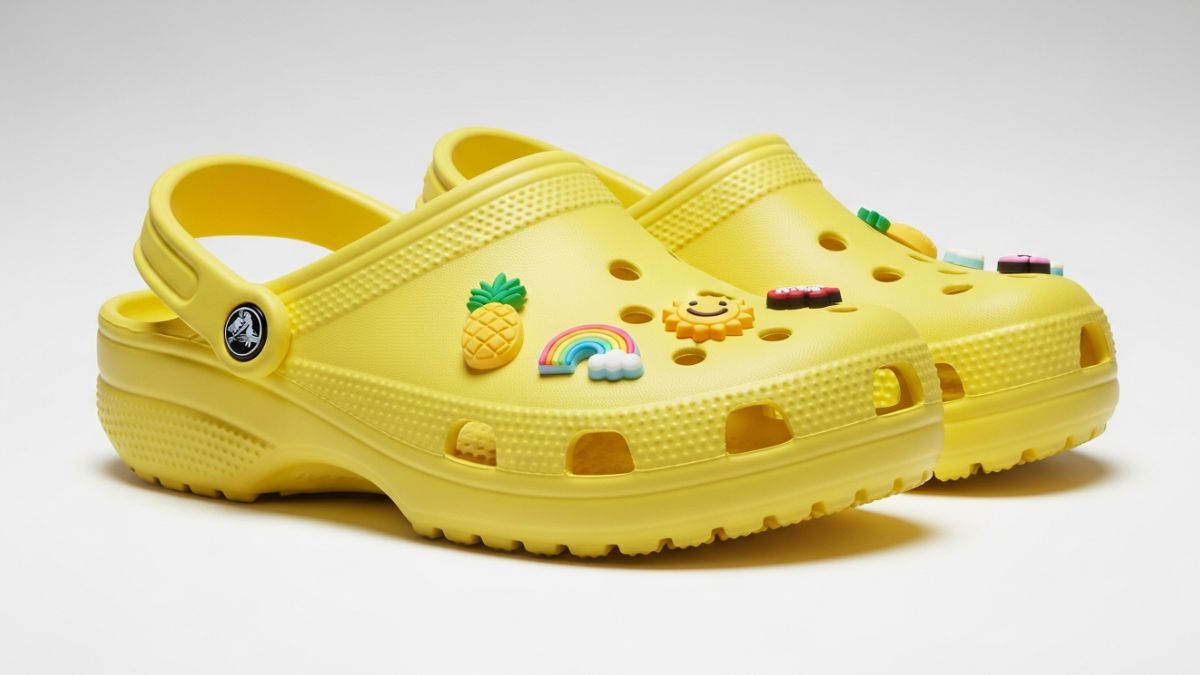
CLAIM:
Wearing Crocs regularly for long hours can harm your feet because they lack proper arch support and heel stability. Prolonged use may lead to foot strain, heel pain, and tendon-related problems, especially in people who stand or walk a lot.
FACT:
True. Crocs (clogs) can be comfortable for short, low-impact use but may lack the structured arch support and heel stability needed for prolonged walking or standing. Research suggests they may provide less stability and increase strain on the feet over time, particularly in people with flat feet or existing foot issues. However, occasional use is generally safe, while supportive footwear is better suited for long-duration or high-impact activities.
We find Crocs so comfortable and cool that we often end up wearing them the entire day. But could this everyday comfort come at a cost to your foot health?
In a recent reel posted by Dr Manan Vora, an orthopaedic surgeon with over 6.07 lakh followers on Instagram, he cautions viewers against relying on Crocs as regular, long-term footwear. In the reel, he explains that while Crocs are popular for their comfort, they may lack essential structural support needed to protect the feet during prolonged use.
“The Crocs you love wearing because of comfort can actually harm your feet. I'm an orthopaedic surgeon, hear me out,” he says. He adds that although Crocs are light, roomy, and easy to wear, “most Crocs lack structured arch support and don’t have a firm heel cup.” According to him, this means the shoe does not hold the foot securely, and “your toes often grip to keep it in place,” which can lead to strain over time.
Dr Vora further explains that prolonged use may contribute to strain in the arches, heels, and tendons, especially for people with flat feet, older adults, or those who stand for long hours. He also notes that Crocs do not stabilise the heel well and are “not ideal for long walks, workouts, or any physical activity.”
“Crocs are only fine for short, low-demand use, quick errands, light chores or mostly seated work. But you cannot consider them actual supportive footwear. Use them occasionally and for anything more demanding, choose shoes with proper arch support and heel stability,” he recommends.
The reel has gained significant traction on social media, clocking over 1.52 lakh views, 3,783 likes, and 5,581 shares.
Are clogs harming your feet?
Prolonged use of clogs such as Crocs may have certain drawbacks, particularly due to their design. One of the main concerns is the lack of structured arch support. The plantar fascia, a thick ligament running from the heel to the front of the foot, plays a critical role in absorbing shock and maintaining the foot’s arch. When footwear does not adequately support this structure, it can increase strain on the ligament over time. This may contribute to plantar fasciitis, a common condition characterised by heel pain and discomfort in the mid-foot, especially during walking, standing, or climbing stairs. Individuals with flat feet may be more vulnerable, as insufficient arch support can increase the risk of related conditions such as Achilles tendinitis, bunions, posterior tibial tendonitis, and shin splints.
Another concern is heel stability. Because most clogs are backless or have loose heel support, they may not securely hold the foot in place. This can affect walking mechanics and stability, increasing strain on the heel and surrounding tendons.
In addition, the plastic material used in many clogs, while lightweight and convenient, can trap moisture. Prolonged wear may lead to excessive sweating, friction, skin irritation, and blisters. For this reason, it is generally recommended to use such footwear for short-duration, low-impact activities rather than prolonged walking or standing.
Biomechanical research also highlights potential stability concerns. A 2021 biomechanical study found that Crocs required greater muscle activation to maintain balance compared to slip-resistant shoes, suggesting they provide less stability and support, particularly on slippery surfaces. This indicates they may not be ideal for prolonged walking or situations requiring strong foot stability, though occasional use remains safe.
Another study suggests that Crocs don’t help you maintain your balance any better than flip-flops.
When should you avoid wearing Crocs?
While Crocs may feel comfortable, avoid them in situations that require strong foot support and stability. They are not recommended for high-impact activities such as running, hiking, or weightlifting, as these movements place greater stress on the arches, heels, and tendons. Supportive footwear designed for specific activities helps absorb shock, stabilise the heel, and reduce injury risk. Similarly, Crocs may not be ideal for prolonged standing or walking, as their loose structure and limited arch support can lead to foot fatigue, soreness, and discomfort over time.
Older adults may need to be especially cautious. Because Crocs often lack firm heel support, they may affect balance and increase the risk of slips or falls. Health authorities, including the National Institute on Ageing, recommend wearing shoes with proper heel support and stability to reduce fall risk, which can otherwise lead to fractures and long-term complications.
Regular use of Crocs may also not be ideal for children who are highly active, as supportive footwear plays an important role in protecting developing feet and reducing the risk of injuries during running and play. Shoes with proper arch support and heel stability help maintain balance and provide better protection during physical activity.
Certain warning signs may indicate that footwear is not providing adequate support. Persistent arch or heel pain, tendon discomfort, friction blisters, excessive sweating, or skin irritation can suggest that the footwear is unsuitable for prolonged use. In such cases, switching to shoes with proper arch support, cushioning, and heel stability, or consulting a foot specialist such as a podiatrist, can help prevent further complications and support long-term foot health.
When are Crocs appropriate to wear?
Crocs can be suitable for occasional, low-impact use such as gardening, household chores, office work, or short outings. Their lightweight and roomy design makes them comfortable and easy to wear, especially for short durations. However, they are not designed for prolonged walking, standing, or physically demanding activities due to limited arch and heel support. If discomfort or foot pain develops, switching to more supportive footwear may help prevent further problems.
This story is done in collaboration with First Check, which is the health journalism vertical of DataLEADS.
