



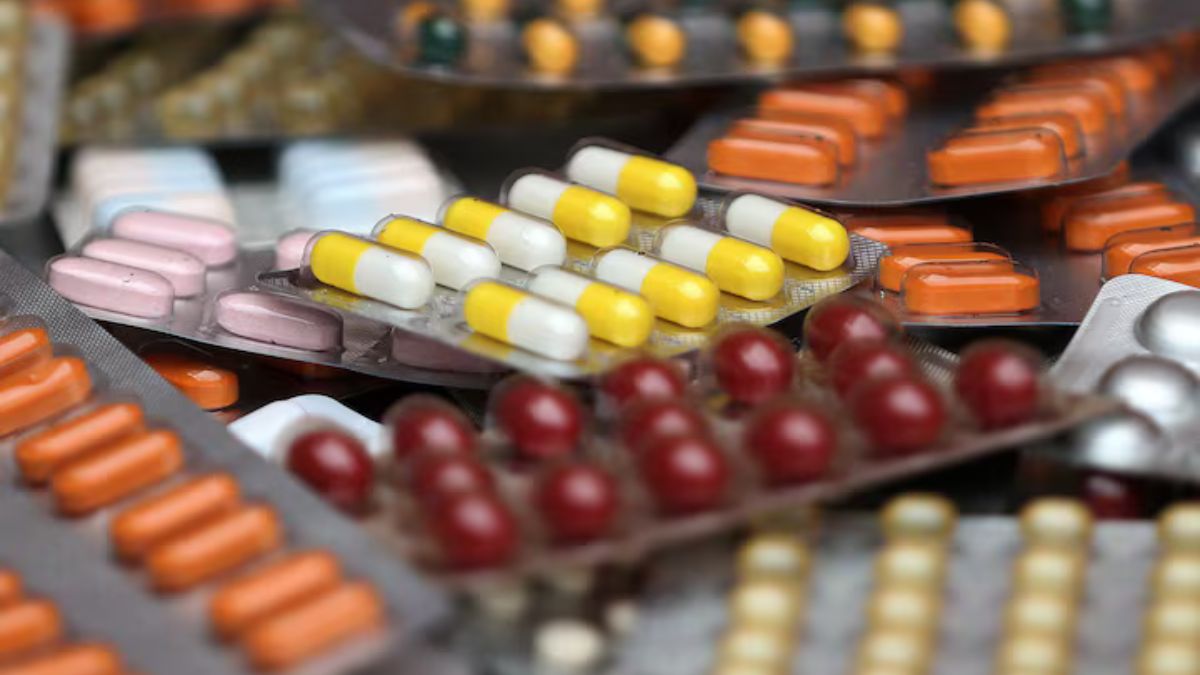
As the world marks Antimicrobial Resistance (AMR) Awareness Week (November 18-24), health experts are sounding the alarm on a crisis that threatens to upend decades of medical progress.
The WHO lists AMR among the top 10 global public health threats, with drug-resistant infections already responsible for more than one million deaths each year. Without urgent intervention, nearly 40 million lives could be lost by 2050, according to global projections.
India, one of the world’s highest consumers of antibiotics, remains particularly vulnerable.
Easy access to antimicrobials, high infection burdens, and widespread self-medication have created conditions for resistance to spread rapidly. Doctors warn that routine infections, childbirth, cancer care, and even minor surgeries could become far riskier if antibiotics continue to lose effectiveness.
"Antimicrobials are vital to modern healthcare, but their misuse such as self-medication, taking them without medical need, or stopping treatment midway, accelerates antimicrobial resistance (AMR). We urge everyone to avoid self-medication, seek proper medical guidance, and take antimicrobials only when prescribed by a qualified healthcare professional,” said Gaurav Verma from PharmEasy.
Pharmaceutical major GSK India also stressed that AMR was no longer a distant threat, but an immediate public health emergency. The company highlighted the inequitable impact on low-income countries and the mounting financial pressures AMR places on overstretched health systems.
“AMR not just threatens lives, it hinders health equity and risks undoing decades of progress made by modern medicine ... It is imperative industry, governments, healthcare professionals and civil society act collectively, and with urgency, to protect public health for the foreseeable future,” said Bhushan Akshikar, Managing Director, GSK India.
India is attempting to push back through improved surveillance, responsible manufacturing, and better prescribing practices.
GSK India outlined initiatives such as the India Infection Index, real-time antibiotic-susceptibility tracking for clinicians, large-scale AMR awareness programmes, and the recent BSI AMR Kitemark certification for its Nashik antibiotic-manufacturing facility.
Public health experts say behavioural change remains the most powerful tool.
Avoiding unnecessary antibiotic use, never buying them over the counter, completing prescribed courses, and improving hygiene can drastically slow the spread of resistance.
As World AMR Week draws to a close, the message from healthcare stakeholders is clear: the era of miracle cures is at risk. Protecting antibiotics today is essential to protecting modern medicine tomorrow.
