



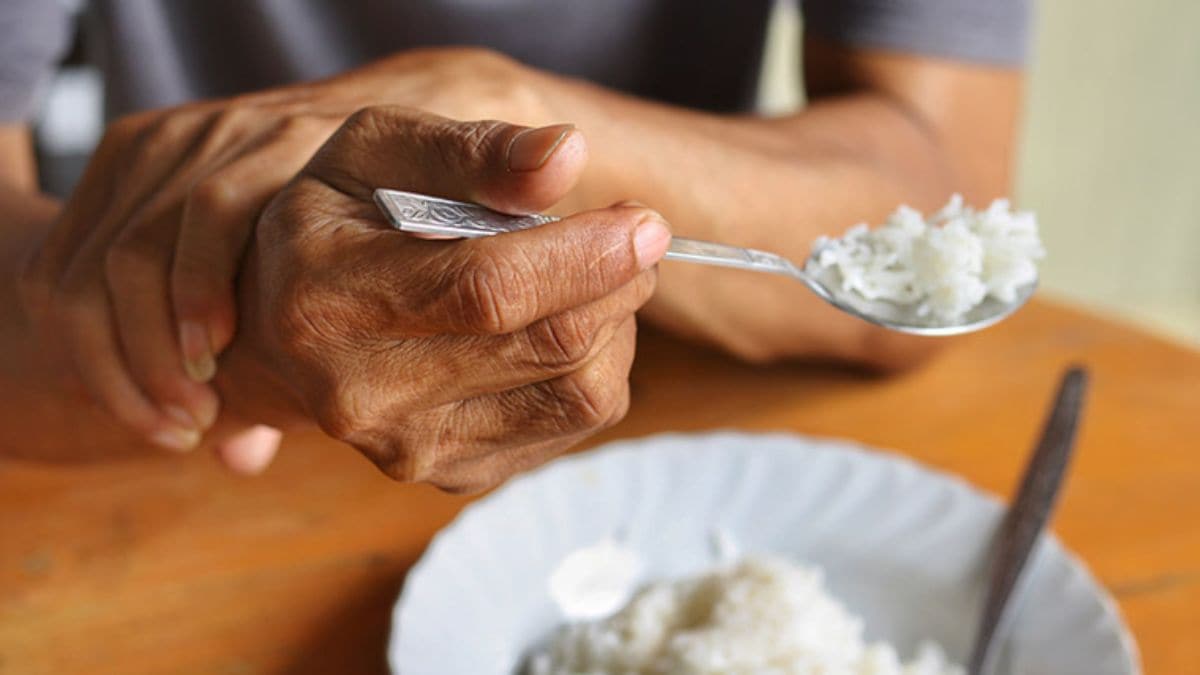
Parkinson’s disease is a progressive neurodegenerative disorder that was associated with the elderly but more recent studies indicate a rise in early onset of the disease, particularly in India.
A study published in the British Medical Journal predicts that by 2050, approximately 25.2 million individuals worldwide will be living with Parkinson’s disease (PD), marking a 112% increase from 2021. Notably, South Asia, including India, is expected to account for 6.8 million of these cases.
The National Institute of Mental Health and Neurosciences (NIMHANS) indicated in 2022 that nearly 40- 45% of Indian patients who are diagnosed with Parkinson’s disease experience early onset of motor symptoms between the ages of 22 and 49. This puts them in the category of early-onset Parkinson’s disease (EOPD).
The average age at onset of PD in India was 51.03 ± 11.32 years, which is almost a decade younger when compared to many other countries. While the aging population contributes to this rise in total numbers, there are several other contributory factors.
Those with a positive family history of PD, may have a genetic cause for PD (10-20%). The EOPD-related genes seen most frequently in India vary from those seen in Caucasian populations. PD is often misdiagnosed as there are a host of conditions which resemble it. Delayed diagnosis means greater severity of the disease.
Dr Madhukar Bhardwaj, Director & HOD Neurology, Aakash Healthcare, New Delhi, said that early stage symptoms like stiffness and fatigue are mistaken for normal ageing or arthritis. Early detection through clinical evaluation and imaging can help initiate such interventions that delay motor complications which include slowness in daily activities, tremors in hands and legs, and body rigidity.
Dr Praveen Gupta, Principal Director and Chief of Neurology, Fortis Hospital, said that overall, when compared to other illnesses, patients delay reaching out as compared to other physical illnesses.
While advanced treatments like deep brain stimulation can offer significant relief when initiated promptly, their access is limited by financial constraints. A diet deficient in antioxidants, omega-3 fatty acids, and dietary fibres makes brain health worse and exacerbates the symptoms of PD.
Dr Rajas Deshpande, Consultant and Director (Neurology), Jupiter Hospital Baner, Pune, said that strategic protein intake timing is crucial as patients can significantly enhance the medication’s absorption and effectiveness through it.
While there is no cure for PD, treatments aim to alleviate symptoms. This includes medication; surgical interventions and lifestyle modifications.
