



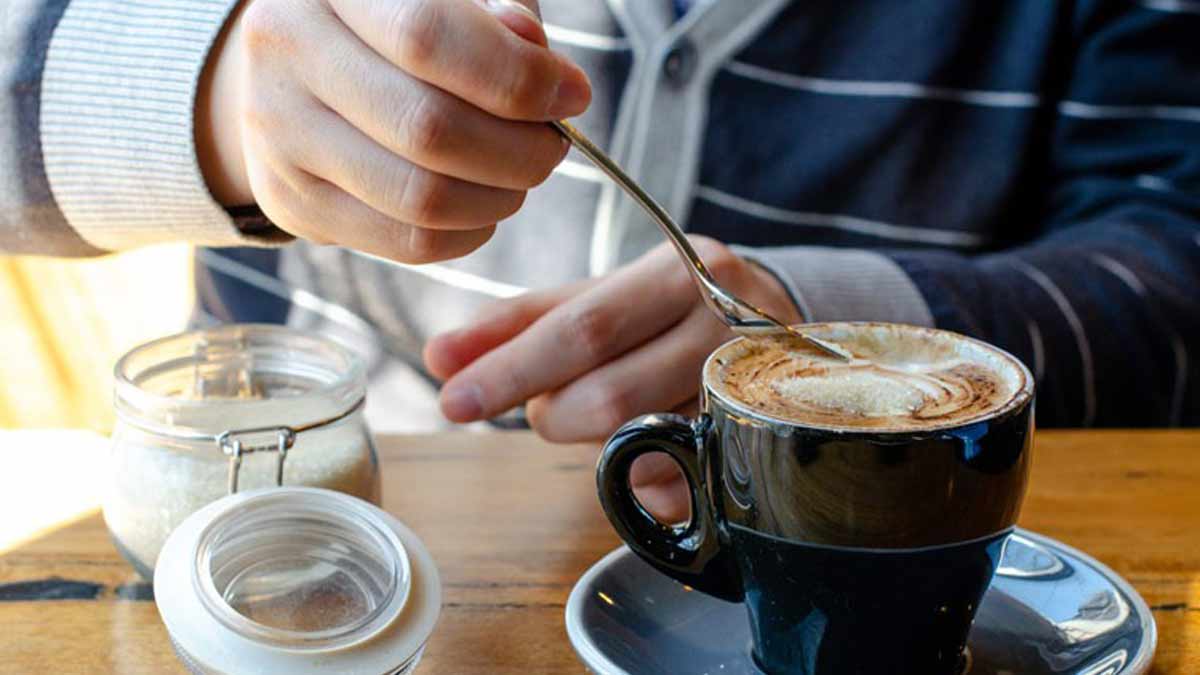
We might have come across people saying that their coffee is bitter when actually it is not. Have you wondered why it tastes bitter for some?
A recent study by researchers in Germany revealed that genetics is the factor contributing towards how one perceives the taste of coffee-- 'bitter' or 'not bitter'.
The study recently published in the journal Food Chemistry, identifies a new group of bitter compounds in roasted Arabica coffee and analysed how they influence its taste.
Researchers noted that beans from the 'Mozambioside' is one such substance in Arabica beans, known to taste about 10 times more bitter than caffeine and activate two of the roughly 25 bitter taste receptors in the human body.
However, it was found that the mozambioside levels significantly drop during roasting and therefore it makes only a small contribution to the bitterness of coffee.
A genetic test conducted revealed that the taste sensitivity depended on the genetic inclination of the people (in this case the participants took part in the study).
"Bitter substances and their receptors have further physiological functions in the body, most of which are still unknown," said researcher Roman Lang. Caffeine consumption: How much is too much?
Experts opine that consumption up to 400 milligrams of caffeine a day is safe.
Also, if you drink more than four cups of coffee, you are likely to develop the following side effects:
Headache
Nervousness
Insomnia
Muscle tremors
Irritability
Frequent urination
Ways to curb caffeine addiction:
1. Tracking the food items consumed
2. Cutting back gradually
3. Opting for decaf
4. Start consuming herbal tea to cut down on caffeine content
