



Standing in the quiet halls of the Sri Chitra Art Gallery in Trivandrum, my father once stopped me before a masterpiece that would permanently shape how I view the epic: Raja Ravi Varma’s Jatayu Vadha. As a young child, I remember being transfixed by the sheer emotional weight of the canvas.
In Varma’s brushstrokes, Maa Sita’s face is turned away, her eyes covered by her hands in a posture of raw horror and profound grief. She refuses to look at the violence being inflicted on her loyal friend. Decades later, that image still gives me goosebumps.
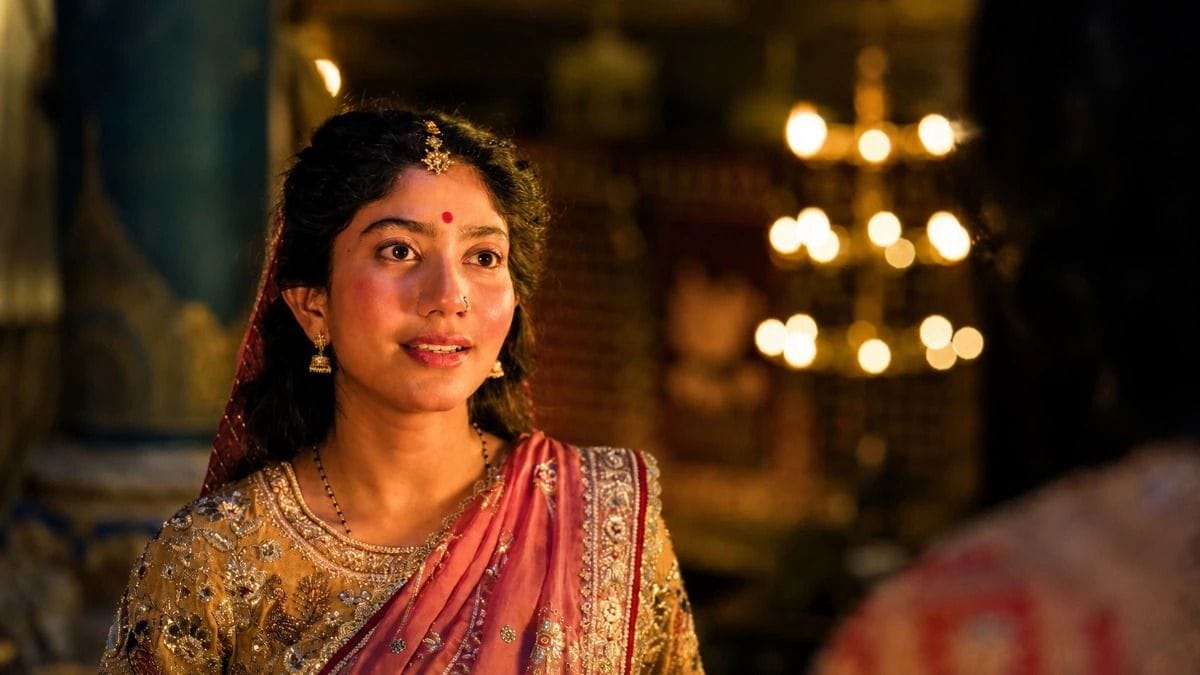
That classic canvas looks very different from how Nitesh Tiwari’s "Ramayana: Part 1", which opened worldwide on 5 November 2026, frames the same moment. The film’s gold-washed aerial sequence took six and a half years to complete, and it shows. Audiences have roared as the ageing king of birds rises above the clouds to take on Ravana’s towering Pushpaka Vimana. Then Jatayu is struck down, and the spectacle gives way to grief and a heavy silence in the hall. It is at this peak of sacrifice that the film places Sita differently from the canvas: standing, her gaze fixed skyward, watching it all unfold.
One X user put it bluntly, arguing that the film builds Sita as a warrior and then shows her standing silently as Jatayu falls, a missed opportunity and “very weak character detailing.” The complaint is about the film’s logic rather than scripture: if the film established her strength earlier, shouldn’t it surface here?
The warrior question began in the forest, where Sita fights rakshasas beside Rama. Many readers who hold Valmiki’s Ramayana as the foundational text note that, as they read it, Rama meets Khara, Dushana and their army of 14,000 alone, having sent Sita and Lakshmana to safety. A large faction of the audience framed the divide as tapobal, spiritual power, against bahubal, physical might.
Some others answered that the makers never promised a strict retelling of one version, that the film draws on several tellings, and that cinema allows room for creative liberty. At the Los Angeles premiere, Tiwari pointed to the Adbhuta Ramayana, which sees Sita as a blazing manifestation of divine feminine power.
Her abduction itself has been told in more than one way. In Kamban’s Tamil epic, Ravana, bound by a curse, uproots the very ground beneath Sita rather than touch her, and scholars differ on whether Kamban’s Sita is more restrained or more self-possessed than Valmiki’s. In the Adhyatma Ramayana, the Sita whom Ravana carries off is a maya Sita, an illusory double, while the real Sita is kept safe.
The debate rides alongside a roaring box office. The film crossed ₹500 crore worldwide over its opening weekend and has since reached about ₹627 crore by one tracker’s count, with the biggest overseas opening of any Hindi film in 2026 and a UK opening record for Indian cinema.
Critics have lauded DNEG’s visual effects and the Hans Zimmer–A.R. Rahman score, and Yash’s Ravana has drawn near-unanimous praise. Reviews also note a long runtime, a slow start and, for some ears, an overpowering score.
Part 2 arrives at Diwali 2028. Whether Sita’s role in that scene was an oversight, a deliberate restraint, or the first note of something larger may only gain clarity then. Until that day, it is the viewer’s conundrum to decipher how far the film reimagines a story that millions hold sacred.
