



Dinesh Thakur was the kind of actor who knew how to embed himself into your memory. His roles—largely as the middle-class man grappling with a thousand everyday battles—were consciously unglamorous, and yet you could not easily delete them from your mind. While not being gifted with the versatility of a Naseeruddin Shah or the bottled, bristling intensity of the recently departed Nana Patekar, Dinesh Thakur nevertheless succeeded in etching a niche for himself, and is still widely respected for his craft.
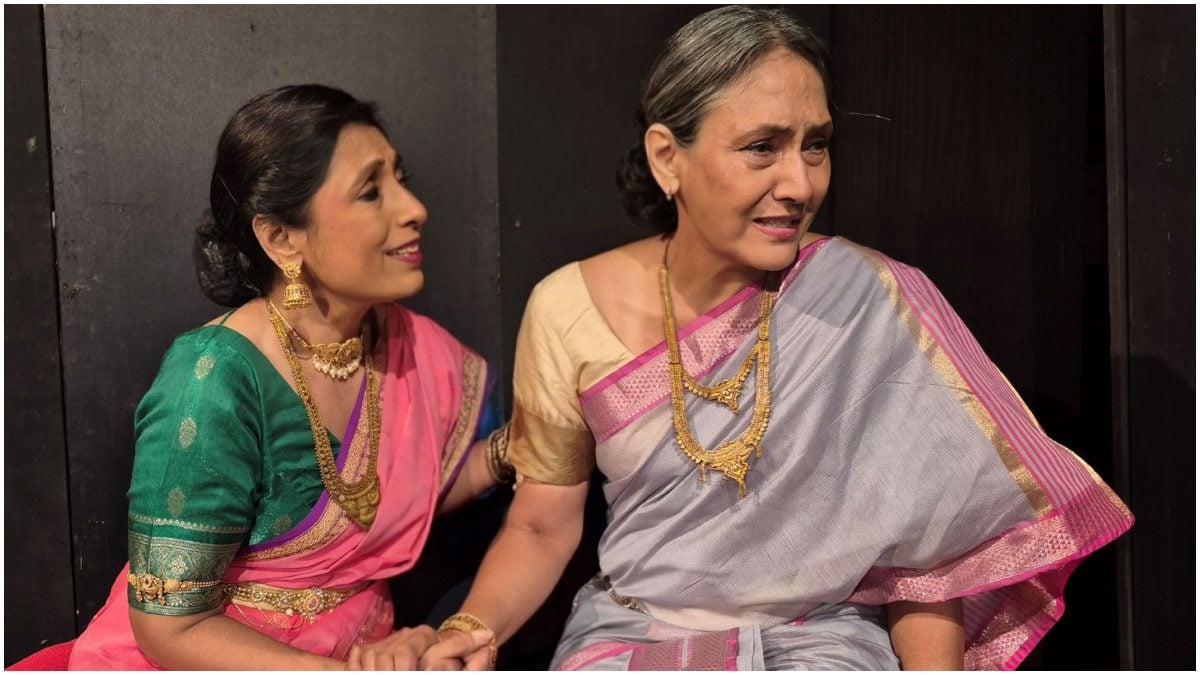
Thakur’s slender but significant legacy is now commemorated by Ank, the Mumbai-based theatre group he had founded 50 years ago. The group is now helmed by his wife Preeta Mathur Thakur—a leading stage and screen personality in her own right. Ank staged its new production ‘Veera Rani Abbakka’—the story of the warrior queen of the independent region of Ullal, close to Mangalore.
The play’s finest parts are at the beginning, where Rani Abbakka deploys statecraft astutely. Apart from countering the Portuguese, the queen has also to contend with enemies within—for there are many eyeing the throne. That’s generally the story of many women achievers, for their foes are like Ravana, many-headed. While Rani Abbakka’s spirited fight is a blow for feminism, it also protests kowtowing to conventional wisdom. The queen’s advisers, including her father, had said that taking on the might of Portugal was foolhardy and advocated appeasement. But Rani opted for battle. As it turns out, she eventually loses her throne and life, but her death carried a telling message. One must add that histrionic intensity dwindled in the latter part of the play, and it could barely hold itself back from becoming pantomime.
It is appropriate that an actor who had rebelled against the conventions of his time is being commemorated with a play that celebrates independence of spirit and a stout refusal to accept the dharma of expediency.
Standing under the noble columns of the National Centre for the Performing Arts in Mumbai where the play was staged, and looking back across the decades, I reflected that the ‘new wave’ cinema which Dinesh Thakur had done much to promote never quite lived up to its early promise. Change of scale and soul never got off the ground, and Indian cinema soon reverted to what it does best—being Bollywood. Perhaps Preeta Mathur Thakur will find greater success in propagating the cause to which her husband had dedicated his life.
