



Did you know that "Jai Hind" was first used by the Indian Air Force and only later embraced by the Army and Navy? Earlier, it was standard practice for the Indian armed forces to salute their comrades-in-arms and superiors without uttering a word. Regiments then started adding their own greetings, such as "Sat Sri Akal" or "Ram Ram".
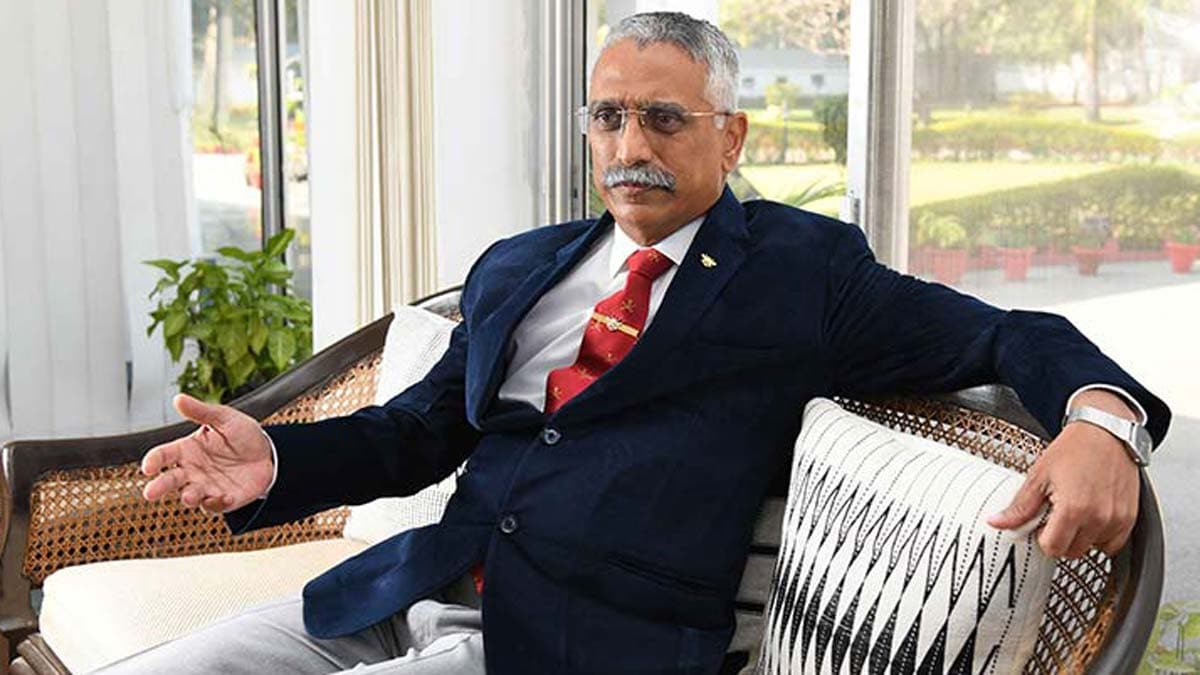
However, not long after the Indian Air Force started saying "Jai Hind" while saluting, it was adopted by the naval and army forces as well. This piece of information was revealed by former Army chief Gen. Manoj Naravane in his latest work, The Curious and the Classified: Unearthing Military Myths and Mysteries.
Needless to say, the usage’s roots can be traced back to the days of India’s freedom struggle. "With the salute we say 'Jai Hind', and even in lectures, we greet with 'Jai Hind'. But where does this 'Jai Hind' come from? You realise it has got much deeper roots. And that was a revelation to me also. So it was something even I did not know about; I must have said 'Jai Hind' a million times," Naravane told news agency PTI.
The former Army chief also narrates the story of a military mule named 'Pedongi', which was captured by Pakistan in 1971 but managed to find its way back to its Indian unit through minefields. Naravane said the animal was honoured with retirement and served 37 years.
"The Pakistanis started using it to carry their loads, and at one point in time this particular mule had a machine gun and some ammunition loaded on it and it decided to come back home. It escaped its captors, negotiated the treacherous terrain and the minefields, and came back to its unit through sheer homing instinct," the General recalled.
"In a way, it was an act of valour, bravery, and loyalty. It was then showered with honours and awards and it was also decided that it would no longer carry any loads, unlike any other mules and was put into a sort of retirement until it died of natural causes after 37 years at Bareilly," he told PTI.
Published by Rupa Publications, The Curious and the Classified: Unearthing Military Myths and Mysteries explores similar riveting nuggets about the legends and lore of the Indian Army, Navy, and Air Force.
