


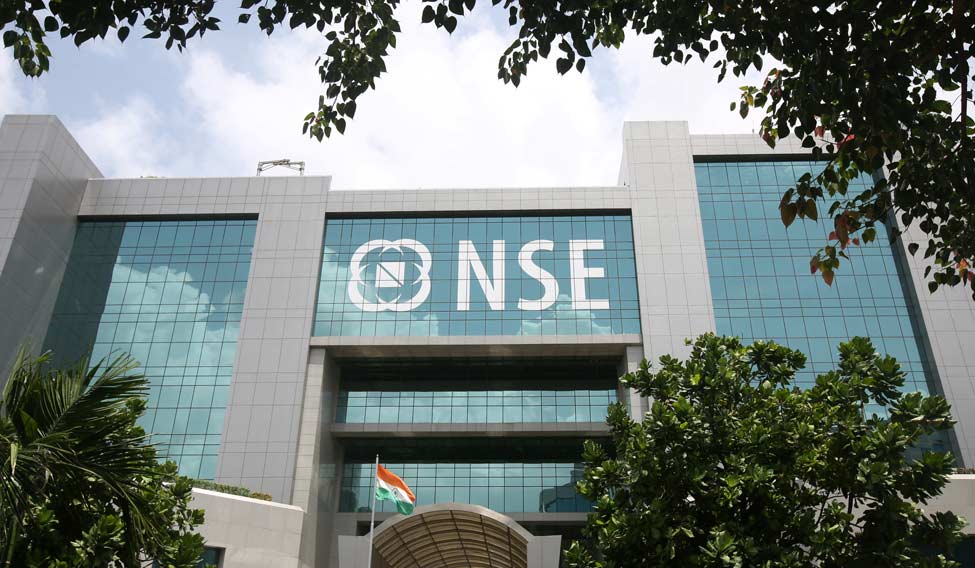
The NSE algo-trading case is an interesting case study for all stakeholders, on how a handful of rogue traders and exchange officials can compromise a trading platform for unlawful gains using selective and early access to the system. The probe has been going on for the last several months, including a seperate investigation by SEBI on alleged market abuse and unfair trading practices, and it is too early to assess the gravity of the offence. However, it does shed light on the technological challenges of a highly complex world of superfast computational finance trading. Algo-trading case demonstrates how fraudsters can exploit loophoholes in compliance, and how technological constraints can contribute to market distortion and wealth erosion of underprivileged who do not have a level playing field in the market.
For several months, market pundits have been alleging that algo-trading is distorting natural price discovery and it clearly violates fair play rules by giving access to a handful of players who are superior to others in terms of technology, capital and size. Small investors or traders who use conventional tools and techniques are losing tons of money due to such unequal and discriminatory trading environment.
Algo-trading and High frequency trading (HFT)
Algorithm is a code or a set of instructions written by the user to perform certain tasks timely, efficiently and most importantly, without giving a room for error. Algorithmic-trading or algo-trading helps in finding an optimal solution for trade execution where the basket is very large, in selection of securities for creating an optimal portfolio and in executing stop loss orders. High frequency trading (HFT) is a faster mode of execution of algorithms. However, HFT does not provide a level playing field. It is detrimental to the interests of small traders because their orders would not be executed early. There is no law prohibiting HFT.
Flashboys: How computational finance and technology use, abuse and misuse the system
SEBI had permitted algo-trading since August 2007. In the Indian context, algo-trading and HFT are often treated as same, but practically there is a vast difference. HFT is a form of algo-trading and speed is the decisive factor. The NSE algo-trading case is effectively an HFT case where certain trading systems, for instance dark fibre, help to overtake other orders by allowing early log in to the exchange servers and thereby allowing to make unfair gains. In the NSE algo-trading case, such gains are potentially monstrous gains given the daily turnover of NSE is pitched at around Rs 3 lakh crore.
The allegations of unfair access were first made by a whistleblower in January 2015. The whistleblower wrote to SEBI, alleging that a few brokers were able to log in to the NSE system with better hardware specifications and engaged in algorithmic trading to their unfair advantage. Based on three letters from the whistleblower, SEBI formed a Technical Advisory Committee (TAC) to examine the allegations.
The expert committee found that the architecture of NSE, with respect to dissemination of “tick-by-tick (TBT) data” through transmission control protocol/internet protocol (TCP/IP), was prone to manipulation and market abuse. It also found that preferential access was given to stock brokers, as it was possible for a broker to log in to multiple dissemination servers through multiple IPs. It was also possible for a single member to have multiple log ins to a single dissemination server through multiple IPs assigned to it. As a result, stock brokers had a substantial advantage by logging in first or second or third. Such privilege could potentially disrupt orderly trade flow.
The committee also found that NSE followed a static mapping process for allocating members’ IPs to dissemination servers which also allowed a few brokers to log in to the fastest dissemination servers.
A test case for market regulators, surveillance and audit firms
NSE and 12 of its officials have reportedly applied to SEBI, to settle the charges by paying a penalty without admission or denial of guilt under the consent mechanism in July 2017. According to the consent mechanism, a securities market offender will be let off after paying fine without admission or denial of guilt.
Earlier, NSE had roped in Deloitte to conduct an independent audit and Ernst & Young (EY) to carry out a forensic audit, both related to the algo-trading case. According to insiders, a clean chit was given to NSE in both reports. So why is NSE trying to settle the charges? Asks a market practitioner on condition of anonymity. A possible explanation could be that if SEBI settles the case after charging a penalty, it would set a bad precedent and license to loot. Gunah karo aur fine de do (You commit a crime and pay the fine), may become the mantra, he quipped.
The Income Tax department on Nov 16, 2017, raided almost 15 stock brokers and several exchange officials. Since the probe is underway and stakes are too big, the problem would become an interesting case study for the regulators, market participants and investing and trading fraternity at large. The outcome would also reveal India's preparedness to meet technological challenges and how to cope up with economic offences.
-- The author is the CEO of Paradigm Commodity Advisors Pvt Ltd
Disclaimer: The views expressed in this article are solely those of the author and do not necessarily represent the views of the publication.