



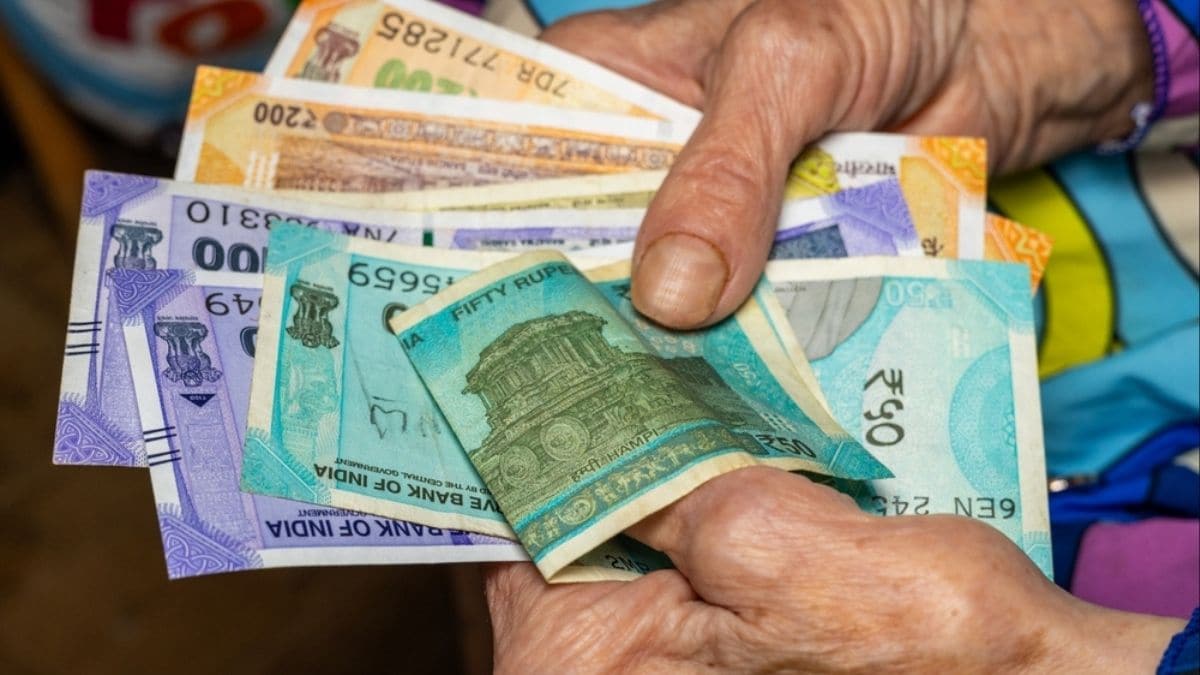
According to the latest data from the World Bank’s 2026 Poverty and Inequality Platform, the poorest 10 per cent of people in the richest countries in the world earn more than the richest 10 per cent in India.
According to the figures, the daily income or consumption for the poorest in India is around $3 per person. The corresponding figures are $25 in the US, $31 in Canada, while Germany and Australia record $28 each.
The richest in India, meanwhile, have a daily income on consumption threshold of around $10 per person. The corresponding figures are $173 in the United States, $129 in Canada and Australia, and $128 in Germany.
According to the Economic Survey of India, an individual earning Rs 80,000 per month is among the top 10 per cent of earners in a country.
The figures show that even households at the top of India’s income distribution can have lower living standards than those at the bottom in several wealthy countries.
Ahona Duttagupta, a programme associate at the Foundation for Economic Development, told NDTV that the comparison points to a broader problem in India, which was having relatively low incomes throughout the economy rather than poverty alone.
Duttagupta argued that improving the living standards of India’s poorest people is essential, but would not by itself be enough to turn India into a prosperous economy.
She said that India therefore needs to raise incomes and productivity across the economy, rather than focusing solely on reducing inequality between poorer and richer households,
According to Duttagupta, productivity growth depends on Innovation. Since policymakers cannot know beforehand which business ideas will succeed, companies need room to test new approaches, recover from genuine failures and expand when they find successful models.
India needs further reforms to create conditions for businesses to grow and employ more people; this would require revising existing regulations, enforcing contracts faster, and developing industrial clusters with a regulatory environment that allow indian business to compete with counterparts in other countries.
