



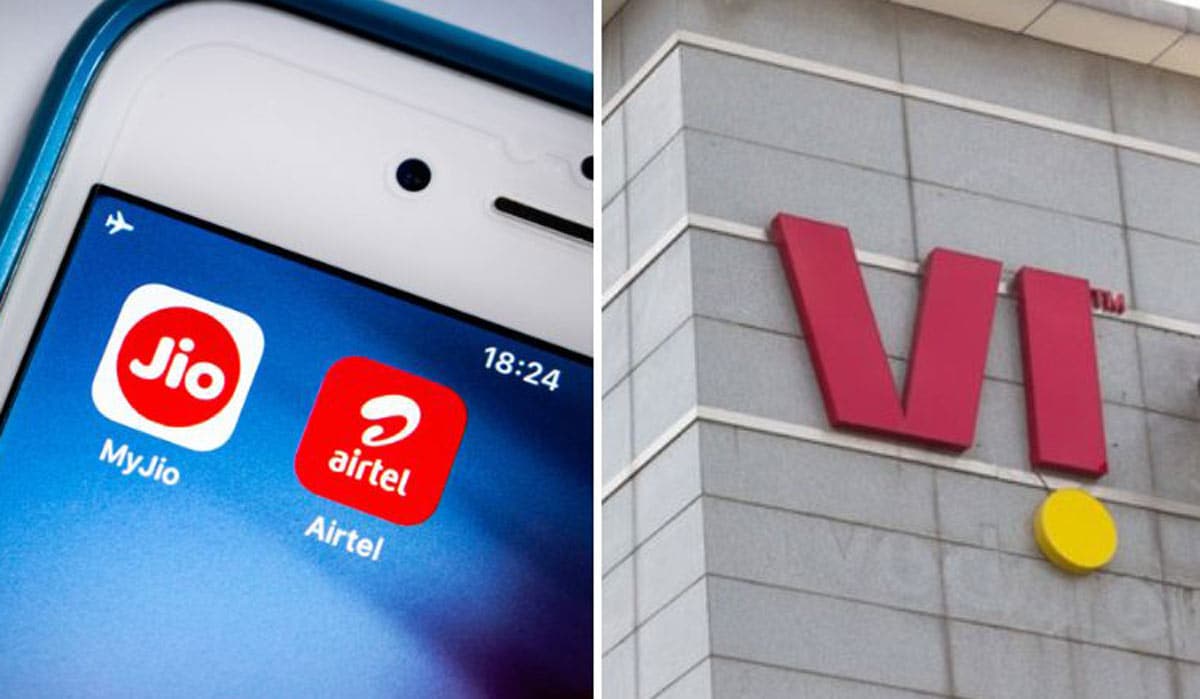
On Wednesday, the nation’s leading telecom operators added one new pack to their plethora of often-confusing pre-paid pack offers. Some called it ‘value’, while others squeezed in the voice and SMS only packs, and for shorter durations, amidst their long lists.
It was quite an about-turn after all three big telecom operators in the country – Airtel, Vi (Vodafone-Idea) and Jio (Reliance) vehemently opposed the Telecom Regulatory Authority of India (TRAI) proposal to bring in an affordable pack for feature phone users over the past few months.
The addition came after TRAI ordered implementation of the provision as part of the Telecom Consumer Protection (Thirteenth) Amendment Regulation, 2026, which stipulated mandatory offering of prepaid mobile charging packs that included just voice calls and SMS with enough options.
The move was a result of consumer rights activists highlighting the increasingly ‘data only’ prepaid options customers could select, and their increasing cost. Consumer rights bodies pointed out how in many parts of the country, there were still a substantial number of users who used their mobile phones for voice calls and at best for text messages only. Their argument was that by charging for mobile data packs, the telcos were in a way subsidising the heavy data use of digitally savvy customers.
In an effort to increase their revenue (ARPU or average revenue per user in telecom-speak), rates had zoomed up in recent times. Activists point out how the affordable recharge minimum had quietly increased from as low as 209 rupees per month at one point of time to at least 349 rupees presently. One survey saw a majority of mobile users saying their monthly bill jumped 50 per cent to 200 per cent in the last three years.
So when the draft rule to mandate an affordable tier for feature phone (phones without mobile internet) was suggested, the telcos fought tooth and nail. One argument was that such affordable packs will lead to rise in spam calls, while another operator said their 4G and 5G networks were internet-driven and could not differentiate between non-data phones and smartphones. One operator even argued that internet was a must-have, since it is a basic infra in a developing country like India.
Technically, the new move comes on the heels of a similar 2024 move when TRAI first proposed voice only (non-data) options for mobile phone users. This week’s addition is updating it for shorter and affordable packs, after the regulator was apparently not satisfied with telcos offering only long-term and not-so-pocket-friendly options to users despite its intentions.
“Pricing is simultaneously becoming more segmented – tiered by data volume, 5G speed and peak-hour usage – so the effective cost to a subscriber keeps rising even without a single headline hike,” said Sachin Taparia, founder of LocalCircles.
“Yet the rising bills have not bought better service, he added, alleging, “Investment in coverage and reliability has lagged the growth in subscribers and data demand, leaving many users facing frequent call drops and patchy networks even as they pay materially more.”
Of course, experts’ elementary weighing in argue that the new packs still does not give much of an option or affordability to users. If that is the case, will we see another round of TRAI versus Telcos, and will the average Indian value-conscious consumer have the last laugh any time soon?
