



Long ago, trade diplomacy in the world was all about swift, elegant meetings and smooth policymaking. They were a tug-of-war, but it was fought in boardrooms in one-to-one delegate meetings. It is to this that Donald Trump threw a wrench. And now it looks like a backyard battle of worlds.
When such global trade diplomacy starts sounding like an unruly tiff between neighbours, the financial stakes end up rising fast. While US President Trump did his part to make himself a poster boy for this kind of discourse, European Commission President Ursula von der Leyen recently stirred the transatlantic pot during her annual State of the Union address in Strasbourg, inviting Canada to become the European Union’s very first "associate member."
Standing right beside her was Canadian Prime Minister Mark Carney. The rationale behind this unexpected courting is simple: economic survival. Punitive American tariffs and mounting rhetoric from Washington about "absorbing Canada as a 51st state" seem to have rubbed Ottawa the wrong way.
Canada currently sends roughly 70 per cent of its exports across its southern border to the US. Partnering with the EU gives Canada a vital safety net that does not depend on which side of the bed Trump woke up to that morning. More importantly, it gives Ottawa access to a massive joint defence procurement programme worth 150 billion euros, apart from strategic supply chains in critical minerals and artificial intelligence.
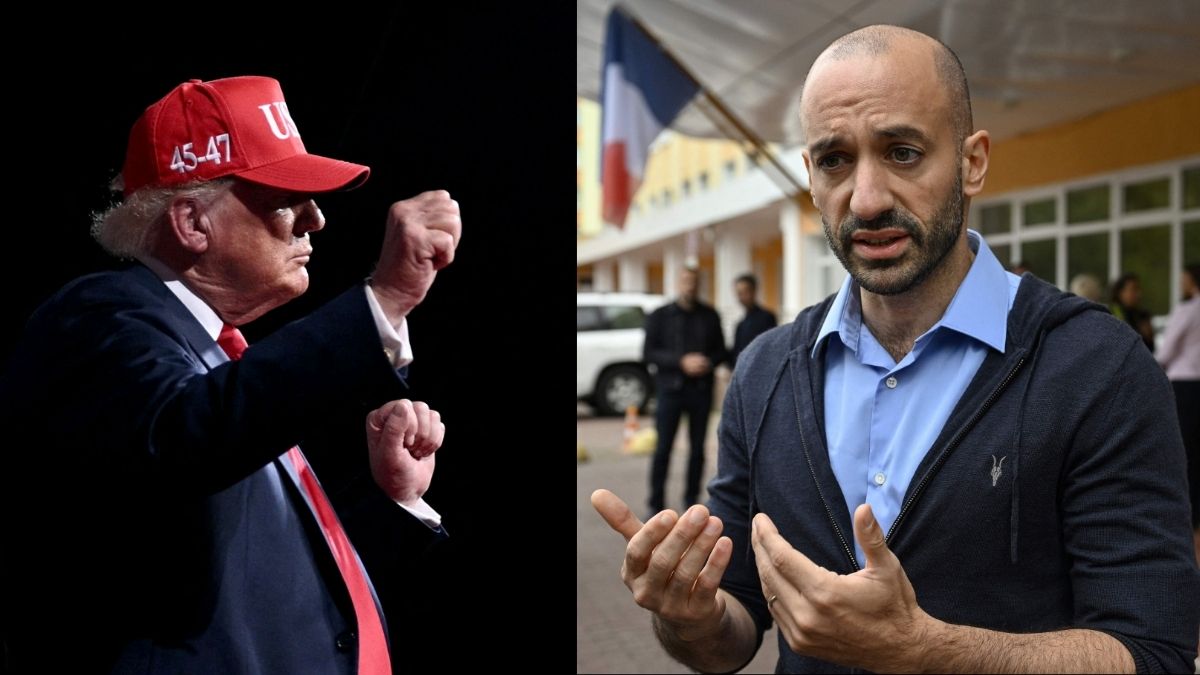
Of course, Trump's response came quickly. Speaking to reporters en route to North Carolina, Trump dismissed the prospect of Canada joining the European fold as "laughable" and branded America’s northern neighbour a "terrible trade partner."
He also doubled down and warned that if the EU moves forward with "bad intentions" and commits what Washington deems a "hostile act," the US could respond with sweeping new tariffs or cut off trade with Europe entirely.
But the EU is not backing down. French Minister Delegate for European Affairs Benjamin Haddad issued a swift public rebuttal, declaring that neither the United States nor any other external power holds veto power over the bilateral relationship between the EU and Canada.
Carney is set to address the European Parliament today. He had, back at the World Economic Forum in Davos earlier this year, warned about large economies bullying smaller nations. And Canada seems to be proving it would rather risk a tariff war than accept unilateral terms. If it comes to that, it would be a significant cut in the deepening rift between the United States and its traditional Western allies.
