



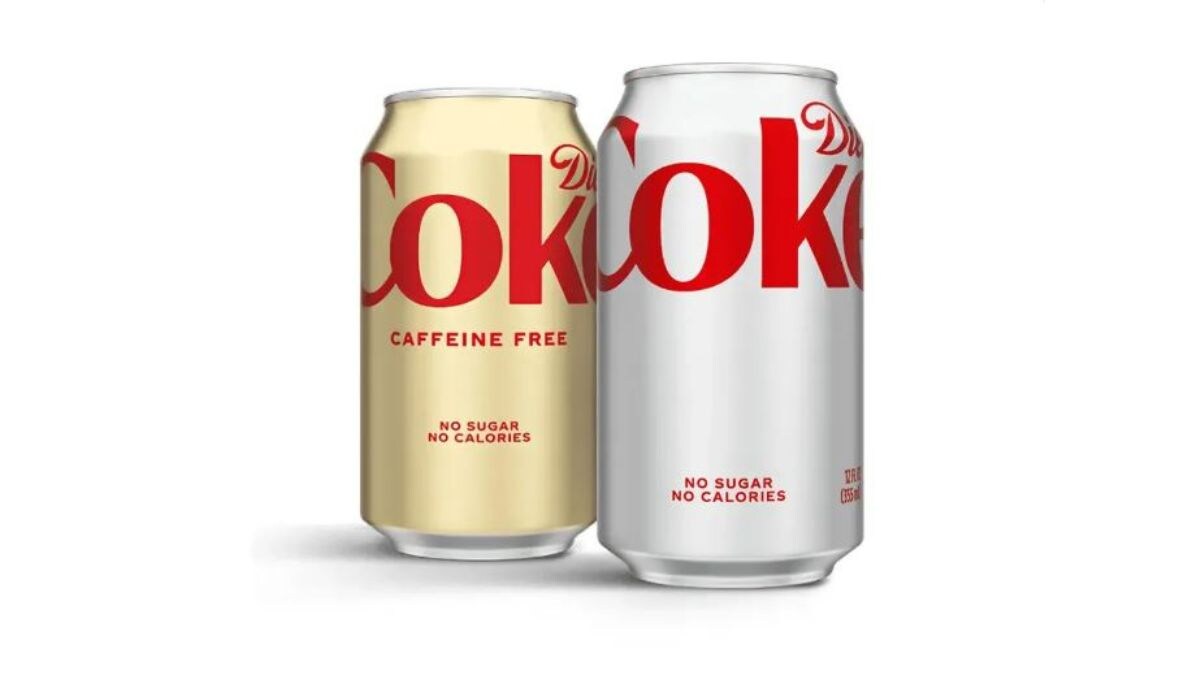
Three months after the US-Israel war on Iran broke out, Indian pubs and social media influencers noticed a chance to rake in profits by organising parties at a charge of a $10-16 (approx. ₹950-1300) entry fee and providing access to Diet Coke along with music and drinks. This was due to the shortage of a metal: aluminium, which the Diet Coke cans are made of.
Now, Coca-Cola has hiked prices of Diet Coke by more than 10 per cent due to the ongoing conflict and has been forced to procure pricier, larger-sized cans from Southeast Asia, Reuters reported. This is how a regional conflict forces global companies to adjust supply chains and increase prices.
Coca-Cola and Pepsi count India as a major growth market and most of their drinks are sold in plastic and glass bottles in the country. Diet Coke is sold in 300-milliliter cans and priced at ₹40. The company has now rolled out 330-ml cans of the same for ₹50 to compensate for the higher costs, as the smaller ones are less in supply.
Though India is the world’s second-largest aluminium producer, limited rolling capacity and technological constraints make it difficult to manufacture aluminium sheets. Specialised aluminium sheets used in beverage cans were mostly procured from the United Arab Emirates (UAE) in West Asia. India's aluminium imports from the country reached about $595.9 million in 2025, making supply vulnerable to disruptions.
In the midst of it all, Reuters reported that conglomerate giant Adani Group and Abu Dhabi's International Holding Company (IHD) plan to invest $11.5 billion in an integrated aluminium project in Odisha through a joint venture with the former. Through this investment , India seeks to expand domestic aluminium production and meet growing demand in infrastructure, power, transport and renewable energy industries, and reduce dependency on imports of value-added metal products.
