



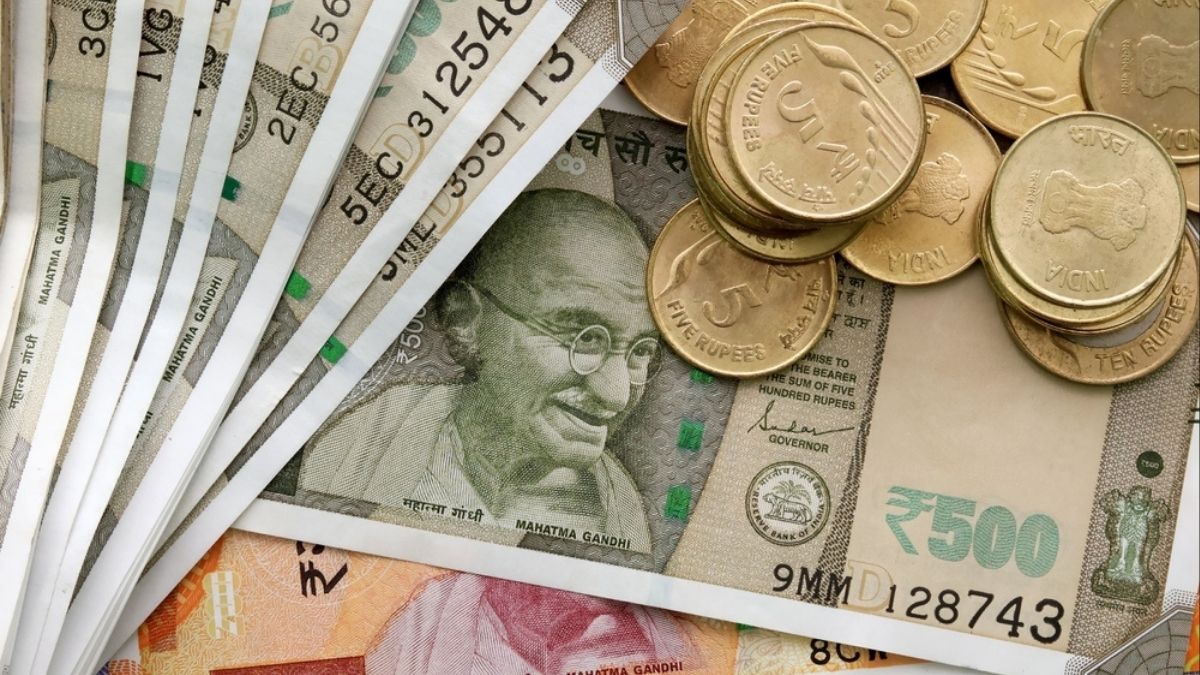
The Reserve Bank of India's wholly owned subsidiary Bharatiya Reserve Bank Note Mudran Private Limited (BRBNMPL) on Friday issued a global Expression of Interest (EOI) to establish a security-grade polymer substrate manufacturing facility, hinting at the central bank's plan to introduce plastic banknotes in the country.
Security-grade polymer substrates are generally used by several countries to print plastic banknotes as they can resist general wear and tear, moisture and counterfeiting. These are said to last 2.5 times longer than paper.
Australia was the first country to introduce plastic banknote in 1988, followed by New Zealand and Romania. Today more than 60 countries use polymer banknotes.
In India, transition from cotton-based paper to polymer requires significant investments in new printing technology, specialised inks, and entirely new raw material supply chains. The latest EOI is seen as an initial step in this direction to examine state-of-the-art technologies and potential partners in technology transfer.
While the upfront cost of transitioning is huge, RBI has spent more than ₹4,800 crore printing and replacing crores of soiled paper currency. As per available date, 2,380 crore soiled banknotes were disposed in FY25, up from 2,124 crore in FY24. This has reportedly driven the central bank to rethink transitioning to the plastic alternative.
However, past reports suggest that the RBI will start with limited pilots before going into large-scale production.
The UPA government had a plan to introduce 100 crore ₹10 banknotes made of polymer substrate on a field trial basis in five cities in 2012. However, technological barrier halted the project.
