



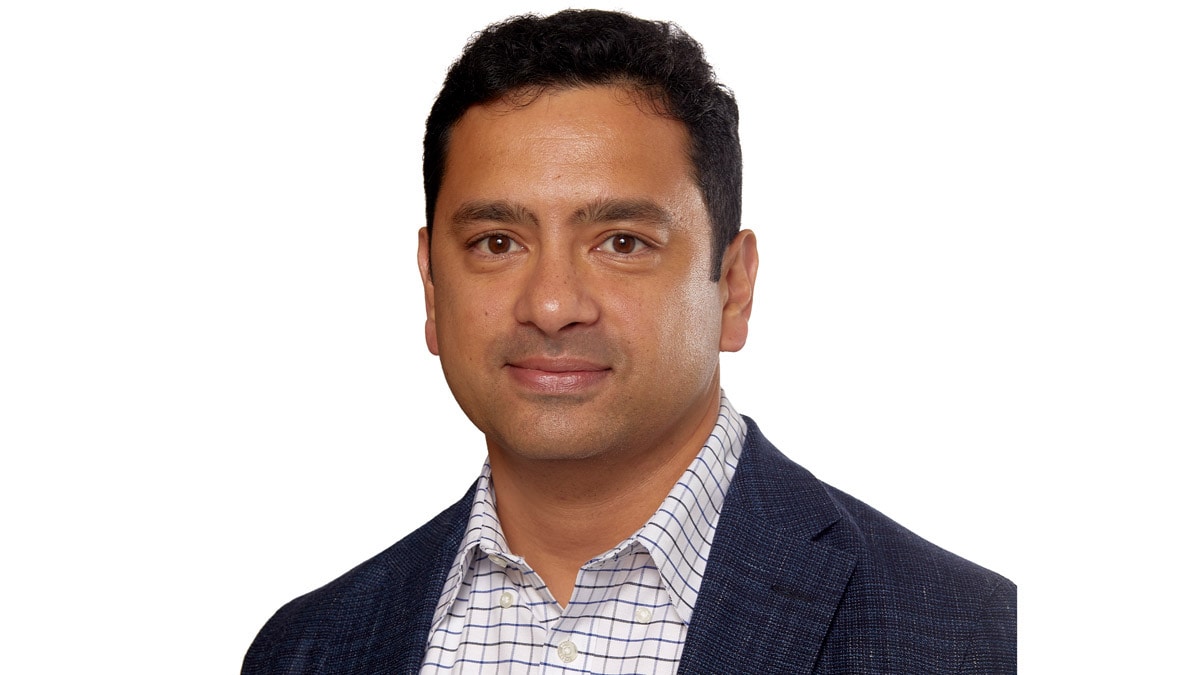
Adi Kuruganti is the chief AI and development officer at Automation Anywhere, the cloud native agentic process automation firm. Before joining Automation Anywhere, Kuruganti had spent over 15 years at Salesforce, most recently serving as SVP and GM of Experience Cloud, Salesforce’s digital business platform. In a conversation with THE WEEK, Kuruganti talks about the adoption of agentic automation in India and other parts of the world.
Is India still in its nascent stage of adoption of agentic automation? How soon do you feel Indian organisations will reach a maturity level in the adoption of agentic automation?
Agentic automation (we call the category agentic process automation or APA) is a combination of deterministic and agentic. In India, many GCCs are already adopting agentic adoption as they are an extension of their parent organisation in mature markets. Besides that, a few banks are adopting it, and there is traction from the BFSI, Healthcare and the GCCs. I think that adoption in India will be a bit slow in the state-run institutions because they will expect local architecture as well as local models. In comparison, the adoption rates are higher in the US, followed by Europe, and then China.
What are the challenges when it comes to adopting agentic automation in India?
I don't think there's a challenge in technology. I mean, there might be some aspects of technology, because you have to understand how agents behave. India has this additional thing of scale. For instance, if you do customer service, you are not doing it for a lesser number of people. You will have to do it for millions of people. The accuracy and the reliability have to be at that scale. So scale will be one of the challenges when it comes to adopting agentic automation in India.
With more and more automation coming in, will it lessen the dependence on the human workforce?
We have not seen that. With agentic automation, the existing workforce can process many more loads of work more efficiently and in a shorter duration of time. In the Western world, it's not about not hiring more people, but the same number of people doing more work. It is like how can existing processes automate more, make people more efficient and serve more customers.
Who are your major customers?
Adani and Reliance Groups are our large Indian customers, plus there are others. They have multiple businesses (airports,ports, etc.) within their group and our solutions are used at different levels in different businesses of such groups. Typically, the first department in such groups is the finance department, as that is where the major flow of money happens. This is followed by customer support and supply chain operations. It is like how they can be automated further. We work very closely in the United States with American Airlines, where automation is more on the operations side because the cash margins are very low in the airline industry, and automation really helps in such cases.
