



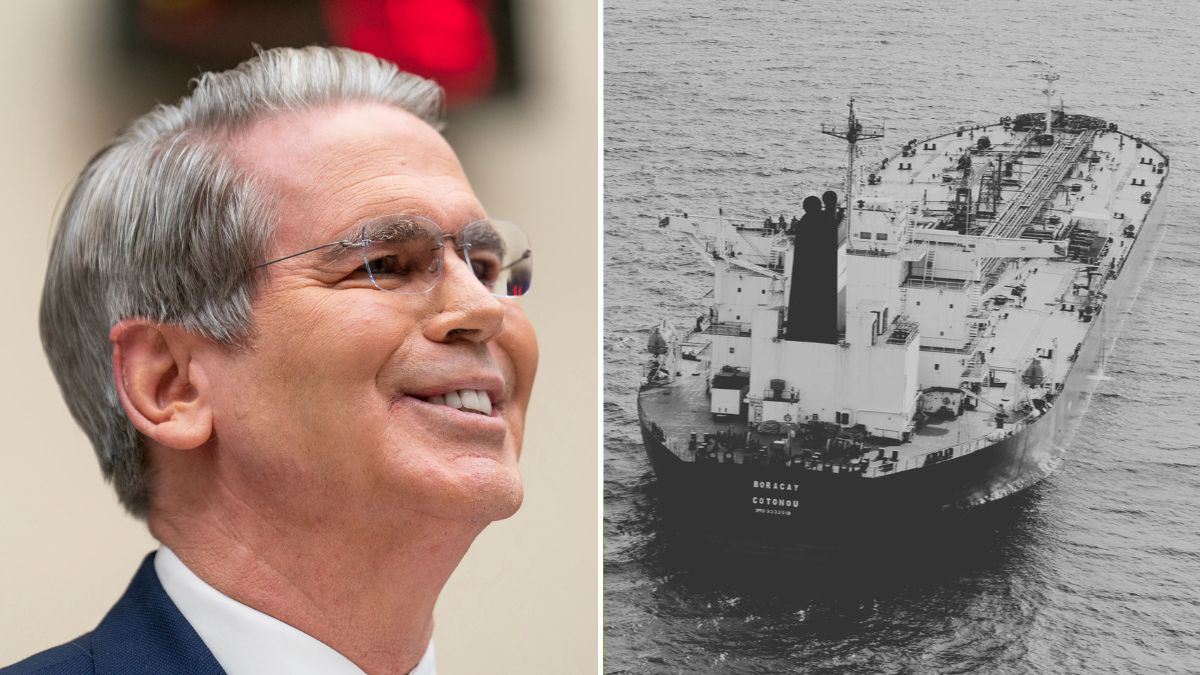
The US on Monday renewed its sanctions waiver on Russian oil just hours after India's petroleum ministry defiantly stated that it would keep buying Russian oil to meet its needs, "waiver or no waiver".
First issued in mid-March and renewed once on April 16, the newest 30-day waiver was announced by Treasury Secretary Scott Bessent comes after the previous one expired on April 18.
"This general license will help stabilise the physical crude market and ensure oil reaches the most energy-vulnerable countries," he wrote in an X post, adding that it would also reduce China's ability to stockpile Moscow's discounted oil.
The post did not mention India's defiant stance on purchasing Russian crude, but has raised eyebrows for the jibe at China's stockpiling, as it comes just days after US President Donald Trump celebrated Washington's ties with Beijing during an official visit.
The renewal comes after India on Monday declared that it would continue buying energy supplies from Russia—regardless of sanctions—as India's crude sourcing decisions are driven primarily by commercial considerations and adequate supply availability.
"Regarding the American waiver on Russia, I would like to emphasise that we have been purchasing from Russia earlier ... before waiver also, during waiver also, and now also," Sujata Sharma, joint secretary in the Ministry of Petroleum and Natural Gas (MoPNG), told reporters at a media briefing.
"Whatever waiver or no waiver, it (availability) will not affect," she added.
(More details are awaited.)
