



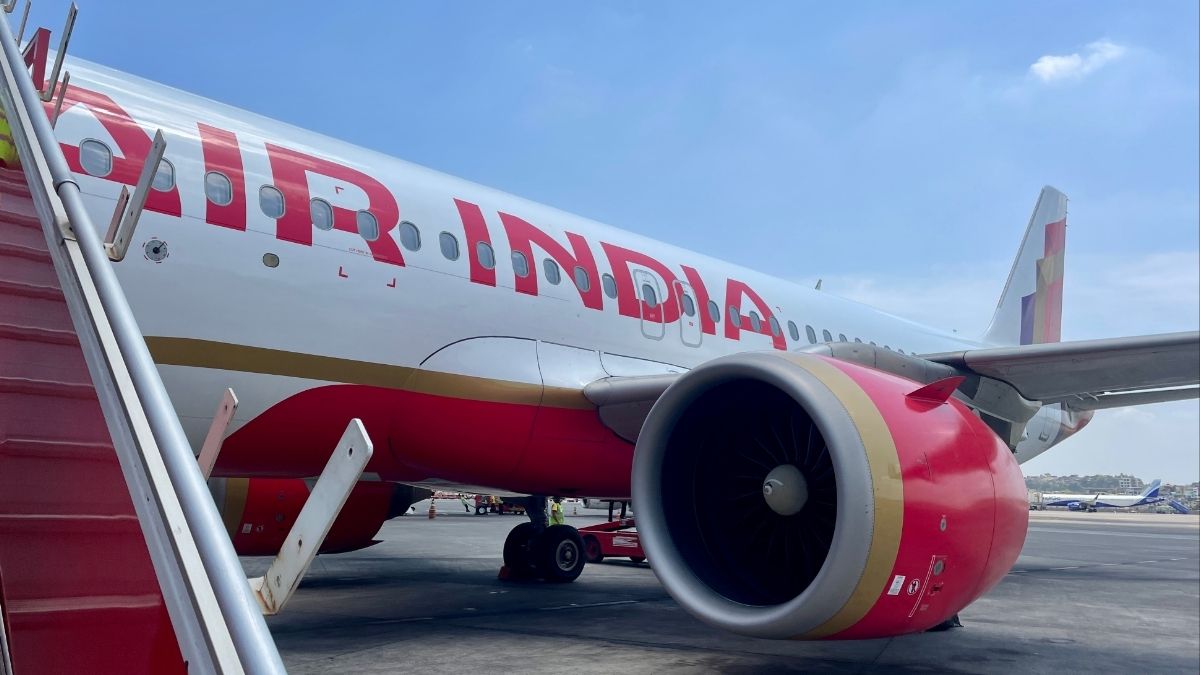
With the government clearing a fresh round of the emergency credit line guarantee scheme (ECLGS) on Tuesday night, the question is whether it has taken steps to ensure that the drawbacks of the previous rounds have been taken care of. Or whether this is just a quick-fix for domestic airline(s) who may find the going getting tougher if the Middle East conflict shows no resolution soon enough.
This is the fifth round of ECLGS, targeting an additional credit flow of ₹2.5 lakh crore, which includes the ₹5,000 crore specifically earmarked for airline companies. The scheme aims to provide credit guarantee coverage of 100 per cent for small and medium businesses (MSMEs) and 90 per cent for non-MSMEs, as well as the airline sector, if they default on loans taken from authorised banks or other lending institutions (who are members of the National Credit Guarantee Trustee Company).
The idea is, just like it was when it was first launched exactly six years ago in May of 2020, to help businesses tide over any financial pressure or inability to pay loans on time caused by mitigating circumstances. The original problem, back in the summer of 2020, was the Covid-19 pandemic and the impact on businesses due to the ensuing lockdown. And this time, it is what the government terms ‘short-term liquidity mismatches in view of the West Asia crisis.’
But the bigger worry in business and trading circles is whether the union government has learned anything from the first few instalments. For example, when it was initially announced along with the Atmanirbhar Bharat package in the summer of 2020, many small businesses struggling due to the extended lockdown phases had thought that it was manna from heaven, the answer to their struggles.
However, the fine print was hardly helpful. For one, many micro and small traders and similar businesses who were hoping that the ECLGS would be a lifeline were left disappointed when it was discovered that the rules (then) only applied to existing loans. Additionally, once it started functioning, it soon became clear that banks and non-banking financial companies (NBFC) were reluctant to dole out loans to companies without a collateral (which seemed to be the government promise), and were worried about the risky nature of a possible future default, and all the administrative issues it could lead to (the NPA scenario from the early 2010s was still fresh in the minds of senior banking officials). And to make matters even more difficult, Micro businesses and those without a good credit history were more or less excluded from gaining any benefit.
There were also complaints of bureaucratic hurdles and slow disbursement, and huge disparities in the effective implementation of the scheme. Many small businesses did not even get to know, or could not claim the benefits, while the scheme seemed to be more active in urban areas rather than rural areas, where the Covid aftermath was acute in the long term.
While MSMEs are also eligible for the latest iteration of NCLGS, the target seems to be directly at airline companies, who have been battling high fuel prices and spiking operational costs in recent weeks. The financial health of almost all Indian airline companies, with the exception of market leader IndiGo, is also up in the air.
SpiceJet has been operating with a truncated fleet of aircraft, while Air India, though from the cash-rich Tata stable, is struggling under losses of ₹22,000 crore. Worse, the airline’s ballooning losses seem to have also become a bone of contention at the highest levels of the Tata boards, bringing into question even its survival.
The airline had recently told the government, along with Indigo, that the recent increase in ATF prices for international routes was untenable, following it up with a substantial slashing of international services in the coming summer months.
The loans to the airlines have a generous tenure of 7 years, including a two-year moratorium (only 5 years for MSMEs and other sectors, including a one-year moratorium). The Scheme runs through this financial year ending.
