



Mythos could be India’s worst nightmare about artificial intelligence (AI) coming true. Yet.
And the alarm bells are ringing at the highest echelons of the central government and cybersecurity establishment, as it is around the world.
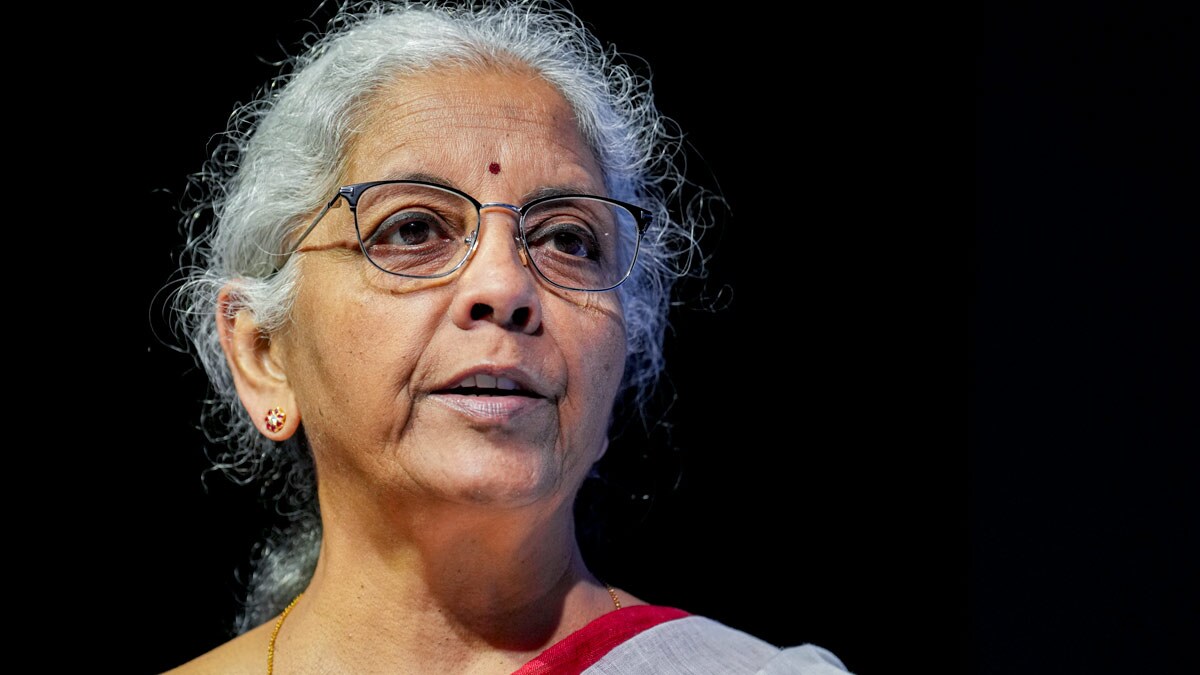
“A new challenge has come in the name of Mythos,” Finance Minister Nirmala Sitharaman said recently, with Electronics & IT Minister Ashwini Vaishnaw by her side as they headed an emergency meeting of India’s top banking officials along with cybersecurity experts.
The minister stressed exceptional vigilance, calling Mythos an unprecedented cybersecurity threat to India’s financial system.
According to a statement by the union government, it is serious enough that it needs “a very high degree of vigilance, preparedness and better coordination across financial institutions.”
The scary part? If something goes wrong, there doesn’t seem to be any safeguard in place. Unless you count a panel headed by some public sector banks to come up with “mitigating measures’ as one.
For the uninitiated, Claude Mythos is the latest general-purpose artificial intelligence model from Anthropic AI, a research firm made up of breakaway pioneers of OpenAI (which launched ChatGPT, thereby kickstarting the AI revolution).
When Mythos was previewed earlier this month, even Anthropic officials are said to have been disconcerted by the troubling behaviour — Mythos bypassed security settings and firewalls in many pre-release tests and gained broader internet access. Anthropic claims it can identify previously undetected software flaws across all the major browsers and operating systems (OS) in use around the world right now. And worse, it can connect bugs together by itself into more deadly viruses/hacking tools.
So Frankenstein-esque, that Anthropic chose not to release the tool to the public, and instead restricted its access to a closed group of about 40 organisations titled Project Glasswing, including some of the biggest names in Big Tech, right from Amazon and Apple to Google and Microsoft.
However, there are fears that one vendor might already have released the model to outside parties.
India’s large-scale success in digitising its public service delivery via digital modes (remember Jan Dhan — Aadhar — Mobile or JAM?) and the near universal usage of UPI, it is feared, makes it even more vulnerable to new breakthroughs like Mythos.
“India’s challenge is (that we) are digitising faster than most countries, but our guardrails—whether around data, institutions, or AI literacy—are still catching up. And because most AI is not built with Indian contexts in mind, even small biases or errors can get amplified across millions,” said Jaspreet Bindra, co-founder & CEO of AI & Beyond, an artificial intelligence literacy firm.
He explained further, “The risk is not AI going rogue — it’s AI working exactly as designed, but in environments that are not designed for it.”
The fear of Mythos is so severe that the Indian government, last week, took action, after a high-profile huddle attended by, apart from Sitharaman and Vaishnaw, the chiefs of the Reserve Bank of India, State Bank of India, as well as the head of India’s official cybersecurity response team, CERT-IN.
A panel under SBI chairman C.S. Shetty (also the chief of the Indian Banking Association) has been formed to assess the danger from Mythos to India’s banking and financial system, and to come up with “mitigating measures.”
India’s fear stems from widespread digital usage without enough processes and security measures in place. Add to that the digital usage of hundreds of millions of citizens without much knowledge and literacy, let alone AI literacy.
“In markets like India, the challenge is that we often try to layer AI on top of already complex or inefficient systems,” said Ritwik Batabyal, CTO & innovation officer at Mastek, an IT services and digital engineering company based in Mumbai.
“If you simply automate inefficiency, you amplify it. And given India’s scale, even small design gaps can have a very large impact.”
While India races to confront this looming worst-case scenario, a rogue actor equipped with nothing more than a stolen AI tool like Mythos could unleash serious havoc, leaving the larger question of how to harness AI for national benefit unresolved.
Bindra has a suggestion. “For governments, regulation alone won’t solve this. You need three things: AI literacy at scale, reimagined education systems, and public infrastructure for AI.”
“It is not about turning everyone into an AI engineer—it is about ensuring millions of young Indians understand how AI works, where it can go wrong, and how to use it responsibly. Because in the end, the biggest risk is not that AI is too powerful, but that society is unprepared,” he added.
