



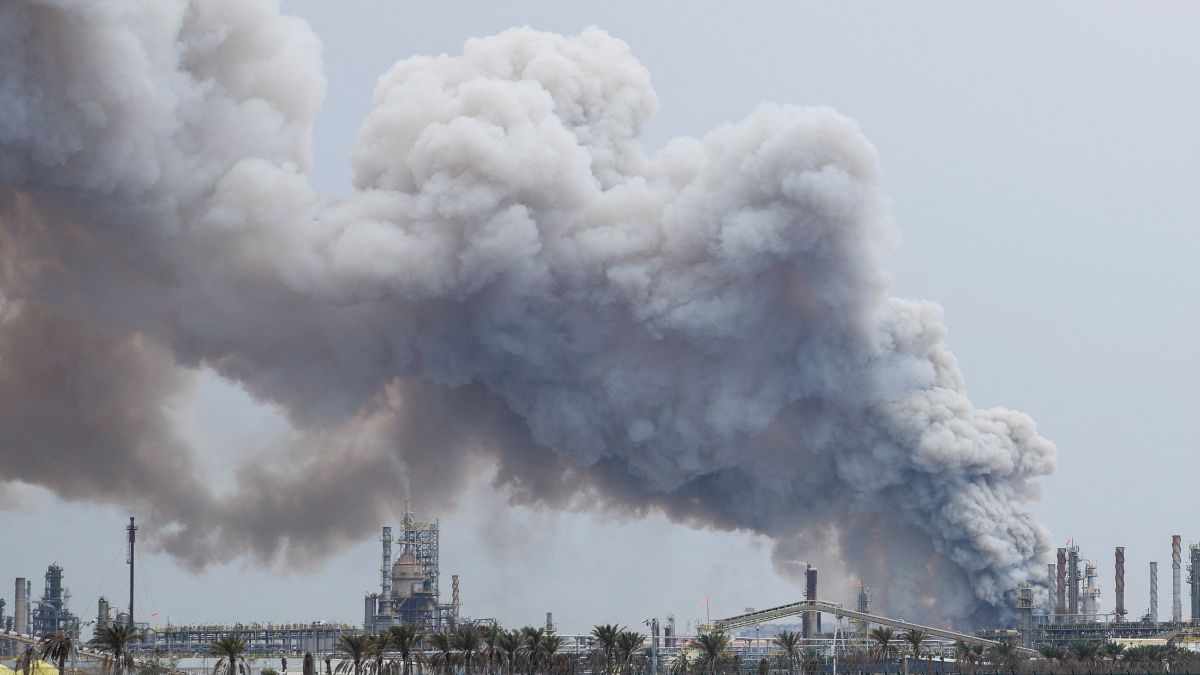
Bahrain's Bapco Energies declared force majeure on its group operations on Monday following a recent attack on its refinery complex, the company said.
Bapco said that all domestic market needs remain fully secured and supplies will continue without disruption, supported by proactive plans in place.
For the unversed, Bapco Energies is the national energy company of the Kingdom of Bahrain. It is a wholly government-owned entity within the Ministry of Oil and Environment that oversees oil and gas exploration, production, refining, and distribution in Bahrain.
What is Force majeure?
In simple terms, "force majeure" is a legal term meaning an unexpected event beyond a person’s or company’s control that prevents them from fulfilling a contract or obligation. In cases of war, natural disasters, government sanctions, and the like, the company may not be held legally responsible for failing to meet the agreement, as the failure is a consequence of something unavoidable and extraordinary.
Force majeure in French translates to "superior force". According to available information, for an event to qualify as force majeure, it must be:
Something outside the control of the parties involved.
Reasonably impossible to anticipate at the time the contract was signed.
Such that the consequence(s) of the incident make obliging to the terms physically or legally impossible.
When a force majeure clause is invoked, the usual consequences include the suspension of obligations, extended deadlines, and contract terminations without penalty in light of elongated timelines.
