



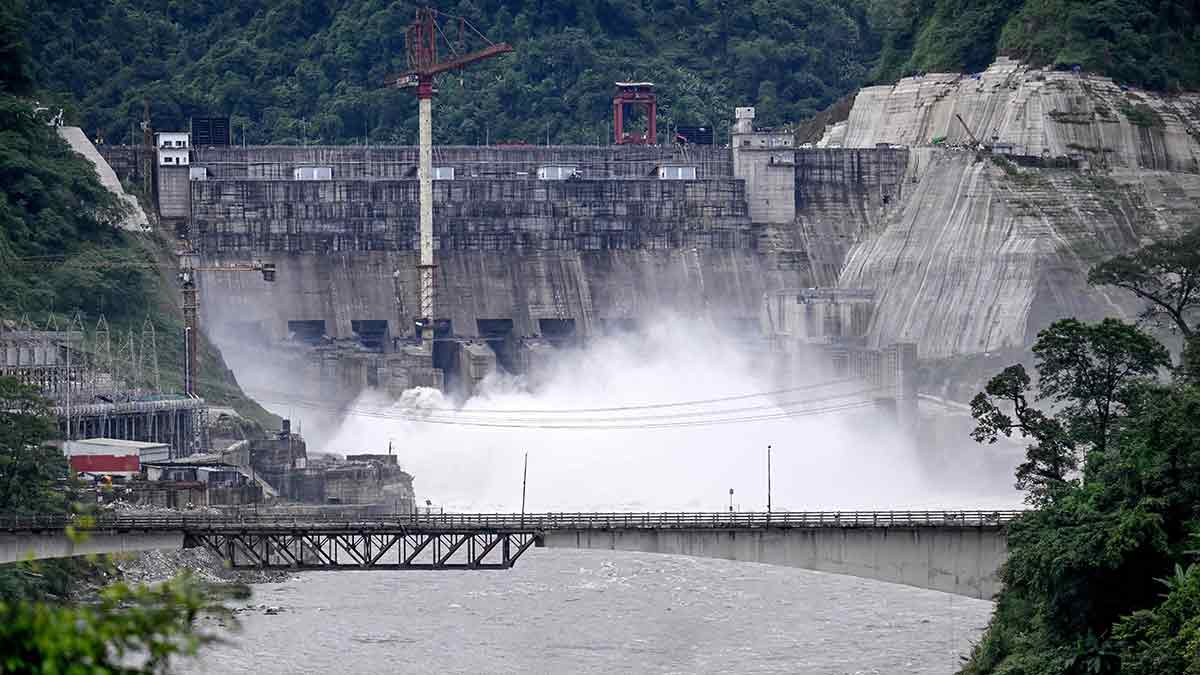
FOR INDIANS OF a certain vintage, dams symbolised far more than mechanisms to divert water, generate electricity and irrigate farms. They were, as prime minister Jawaharlal Nehru famously put it, the “the temples of modern India”.
Dams were the great life-givers of a young nation. They generated power, watered the farmlands and supplied water to its growing cities. Such was their importance that many became tourist attractions in their own right, complete with landscaped gardens, fountains and adventure parks.
Cut to the present. India’s dams continue to perform the functions, but some of their old sheen has worn off. Consider the Dibang and Lower Subansiri projects. Mention the names to most Indians, and the response is likely to be a blank stare.
Dibang, when completed, will be India’s tallest dam, standing 288 metres high, with an installed capacity of nearly 3,000MW. Located in Arunachal Pradesh, it is part of a cluster of hydropower projects in the state, including the Lower Subansiri on the Assam border, which can generate 2,000MW. With a dozen or so ongoing hydroelectric projects, Arunachal Pradesh is now the country’s hydropower powerhouse—its snow-fed Himalayan rivers and steep mountain gradients offering huge potential for dam-building, despite objections from neighbouring China.
The fanfare that accompanied dam-building till the 1970s, however, is now missing. Environmental activism and growing public awareness have transformed the way such projects are perceived. By the 1990s and 2000s, the Sardar Sarovar Dam in Gujarat and the Tehri Dam in Uttarakhand had become, for critics, symbols of the social and ecological costs of development.
The environmental credentials of hydropower are now hardly positive. Arunachal Pradesh may be an exception, given its significant hydropower potential, but elsewhere, the appetite for mega-dams appears to have diminished. But since India’s thirst for electricity has not, the country’s energy ambitions are now turning away from water and towards the sun.
