



For years, a national music tour in India meant five or six cities: Mumbai, Delhi, Bengaluru, Pune, and perhaps Kolkata and Hyderabad. That map has been redrawn.
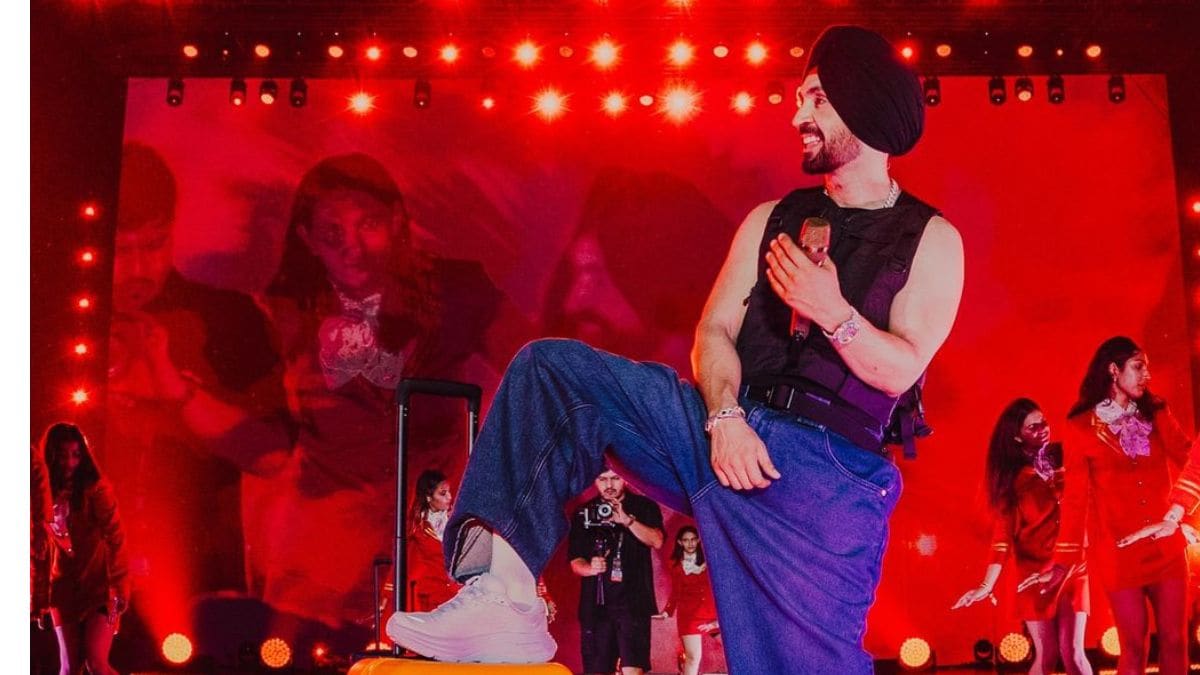
Since the pandemic, demand for live music has grown at every level. At one end, Diljit Dosanjh and Karan Aujla are selling out stadiums. At the other, intimate gigs and club sets are building audiences of their own, and niche acts like Swedish metal band Opeth are drawing fiercely loyal crowds in Mumbai and Bengaluru. EY puts India's organised live events segment at over ₹12,000 crore in 2024, growing at about 19 per cent a year. The more important shift is where that demand is coming from. EY estimates that almost half the audience on Diljit's 2024 Dil-Luminati tour came from Tier 2 and 3 cities, and BookMyShow's 2025 data shows live event consumption in Indore, Guwahati and Shillong nearly tripling in a single year.
The country's northeast shows how quickly this is moving. Shillong's Cherry Blossom Festival drew a reported 50,000 people a day in 2024. Ed Sheeran added Shillong to his India tour, and playback stalwart Sunidhi Chauhan has played Itanagar and, more recently, Guwahati. These cities are no longer add-ons to a tour. They are markets, each with its own preferences, infrastructure and economics.
College campuses have been central to this. In over a decade on the college festival circuit, I have seen how often a campus show is someone's first live experience, especially outside the metros. It was mine, many years ago. Indian Ocean and Parikrama, two bands that are staples of the campus circuit, played at my college, and I walked out a lifelong fan of both. The same happened with stand-up comedy, through comedian Nitin Gupta (Rivaldo). That first experience shapes what an audience goes on to pay for.
Campus programming today reflects how wide that appetite has become. This year, Antaragni, IIT Kanpur's cultural festival, opened with K-pop singer Aoora and was headlined by Bollywood playback singer Shaan. Electronic music producer Nucleya plays campuses in cities like Rishikesh. Students are open to new sounds and formats, while still turning up for the names they grew up with. Organisers who get that balance right fill the ground.
For brands, this changes the role. Sponsorship buys visibility. Being part of the experience builds affinity. Myntra's Glamfest Tour, a travelling campus festival of music and fashion, now in its second season with Spotify, took music and fashion to campuses across 34 cities, largely in Tier 2 and 3 India, and reached over a million students. The test for any brand in live entertainment is simple. Who is centrestage? When it is the artist and the audience, the brand earns its place.
Intimate gigs are growing, and they matter. Rooms under 500 are where indie artists build their first loyal following, and the real measure of that following is whether people show up for the next show. But the larger growth will come in the 1,000 to 5,000 range. It is the size at which the economics work for artists and promoters, and the size most Indian cities can realistically host. New venues such as Hyderabad's 4,000-capacity Quake Arena point in that direction.
What holds the industry back is not technology. Ticketing, production and payments have caught up quickly. Infrastructure has not kept pace. Most Indian towns have no dedicated venue for live music, so every show is built from scratch on a ground, a stadium or a campus field. That adds cost, limits how many shows a city can take and makes crowd management harder than it should be. The government's move towards single-window clearances is a welcome start, but venues take years to build. The second constraint is talent. The industry needs people across production, operations, safety and artist management, and live events need to become a career young people choose deliberately.
The audience is ready. The next phase of growth depends on whether the rest of the country can host it.
Himanshu Chowdhry is the founder partner of Spectal Management.
The opinions expressed in this article are those of the author and do not purport to reflect the opinions or views of THE WEEK.
