



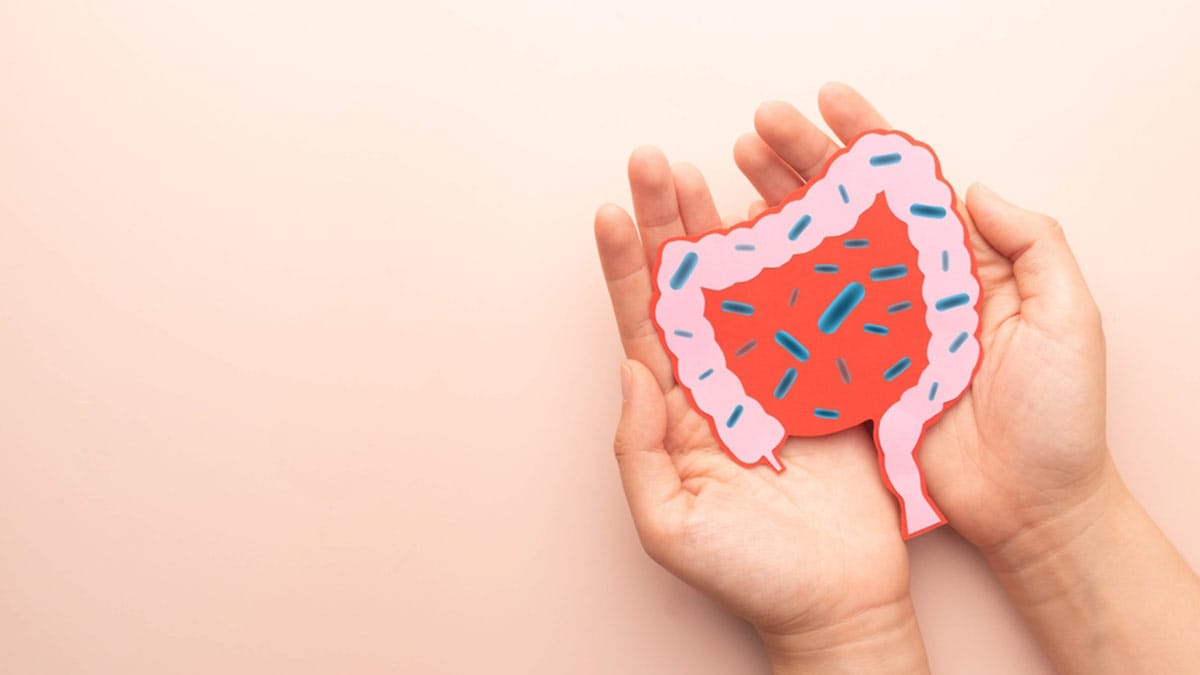
Modern medicine has transformed the way we understand the human body. Sometimes, the most significant breakthroughs are not a new drug, a new technology or a procedure, but a deeper understanding of something that has been with us all along. One such discovery lies within our gut. Home to trillions of microorganisms, it quietly influences our immunity, metabolism, mental wellbeing and overall health. For decades, this invisible ecosystem received far less attention than it deserved. Today, it is emerging as one of the most important frontiers in preventive health.
Interestingly, the understanding of the gut has changed remarkably over the past decade. We now know that the microorganisms that live within it do much more than support digestion. They influence immunity, metabolism, inflammation and even the way the gut communicates with the brain. Increasingly, research is showing that the health of this invisible ecosystem is closely linked to many of the chronic diseases that are affecting populations across the world, including diabetes, obesity, autoimmune disorders and mental health conditions.
This growing body of evidence is particularly relevant for India, where non-communicable diseases continue to rise and lifestyles are changing rapidly. While advances in medicine are helping us diagnose and treat disease more effectively than ever before, many of the factors that influence gut health are shaped by the choices we make every day.
One of these is the way antibiotics are used. While they are among the greatest achievements of modern medicine, it is vital that they must be used judiciously. Every unnecessary or incomplete course and every instance of self-medication can disrupt the beneficial microbes that protect our health, often long after the infection has resolved.
Our changing food habits present another challenge. Traditional Indian diets were naturally rich in diversity, with pulses, whole grains, seasonal vegetables and fermented food providing nourishment not only for us but also for the microbiome. As processed food, refined carbohydrates and convenience eating become more common, we are gradually moving away from dietary patterns that have quietly supported good health for generations.
Stress, too, plays an important role. Most people recognise its effects on sleep, mood or energy levels, but few realise that prolonged stress also influences gut health. The communication between the gut and the brain works in both directions. When one is under strain, the other often reflects it. This helps explain why digestive discomfort and emotional wellbeing are frequently intertwined.
In my hospitals, this evolving science is beginning to shape the future of preventive health. As our understanding of the microbiome advances, gut health is becoming an important part of comprehensive health assessment, alongside metabolic, cardiovascular and other established risk markers. We are progressively incorporating advanced gut health evaluations into preventive health programmes—enabling clinicians to identify potential concerns earlier and personalise care with greater precision. Prevention is no longer about detecting disease alone. It is about understanding the many interconnected systems that shape long-term health.
Perhaps, the greatest lesson the microbiome offers is also the simplest. The body has an extraordinary capacity to protect and restore itself when we give it the right conditions. As our understanding of the microbiome continues to grow, it invites us to rethink prevention itself, not simply as the absence of disease, but as the everyday nurturing of health, resilience and wellbeing. In many ways, the future of health care will not be defined only by how well we treat illness, but by how thoughtfully we help people stay well in the first place.
Dr Preetha Reddy is Executive Vice Chairperson of Apollo Hospitals Enterprise Limited.
