



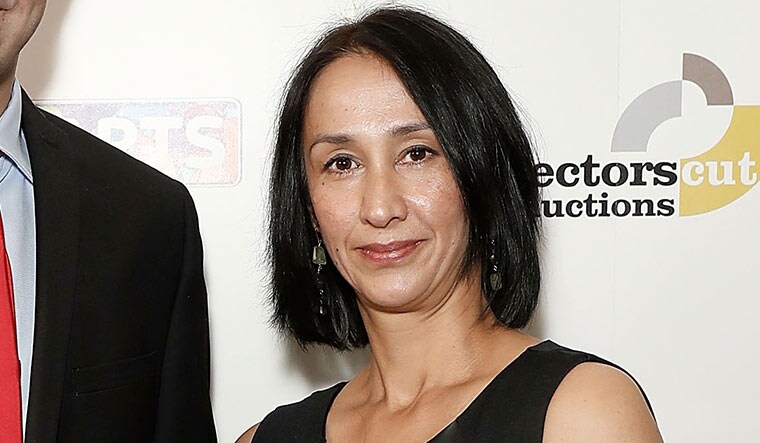
Bangladeshi-British writer Monica Ali created waves in 2003 when her book, Brick Lane, was shortlisted for the Man Booker Prize. It was later made into a BAFTA-nominated film. She followed it up with Alentejo Blue (2006), In The Kitchen (2009) and Untold Story (2011). As she fine-tunes her next manuscript, she spoke to THE WEEK about writing, facing racism and battling anxiety.
Q/You wrote a very deep and emotional piece for LitHub about the racism and privilege in the publishing industry.
A/ I have never gone near topics that are too personal—things like depression and anxiety. I just wanted to be honest with myself about my experiences. It is a recognition that it is ok to have a hard time and to come through it. In the UK, we have a culture of labelling people as successes or failures. Actually, it is much more complicated than that. Also, I had noticed other writers being brave and speaking up about how writers of colour are treated differently. I felt I had been a bit cowardly. Because then the accusation could be that, ‘oh, she has got a chip on her shoulder’. But I realised that I have a voice and it is better to use it.
Q/ You talk about your struggles with writing. Now that you are working on your next book, do you think it was just writer’s block?
A/ No, not writer’s block. I had started writing a couple of novels, but I just did not want to finish them [with] the stuff that was going on in my head. I feared finishing. Or maybe they were the wrong books. Then, when I started this book, I was in a different frame of mind. I felt that I was going to do what I wanted to do on my own terms. The bigger failure would be to succeed on someone else’s terms.
Q/ It has been quite a while since your last book.
A/ I am not under any contract and it is quite nice to have that freedom. But I do not know how it will pan out when it comes to finding a publisher. It might be that nobody is interested because I have not been around for a long time. Or it might be that everybody is interested because I have not been around for a long time. I don’t really know (laughs).
Q/ You recently visited Bangladesh. Do you want to go deeper and explore the sociopolitical situation in the country through your work?
A/ It is quite a tricky thing for some writers who are living overseas and then delving into the politics [of their home country]. For me, personally, I am more interested in thinking about my characters—the teenage daughters—from Brick Lane. I sometimes wonder what has happened to them and where they would be now. Do they ever go home? They have never been there. What would happen if they did?
