



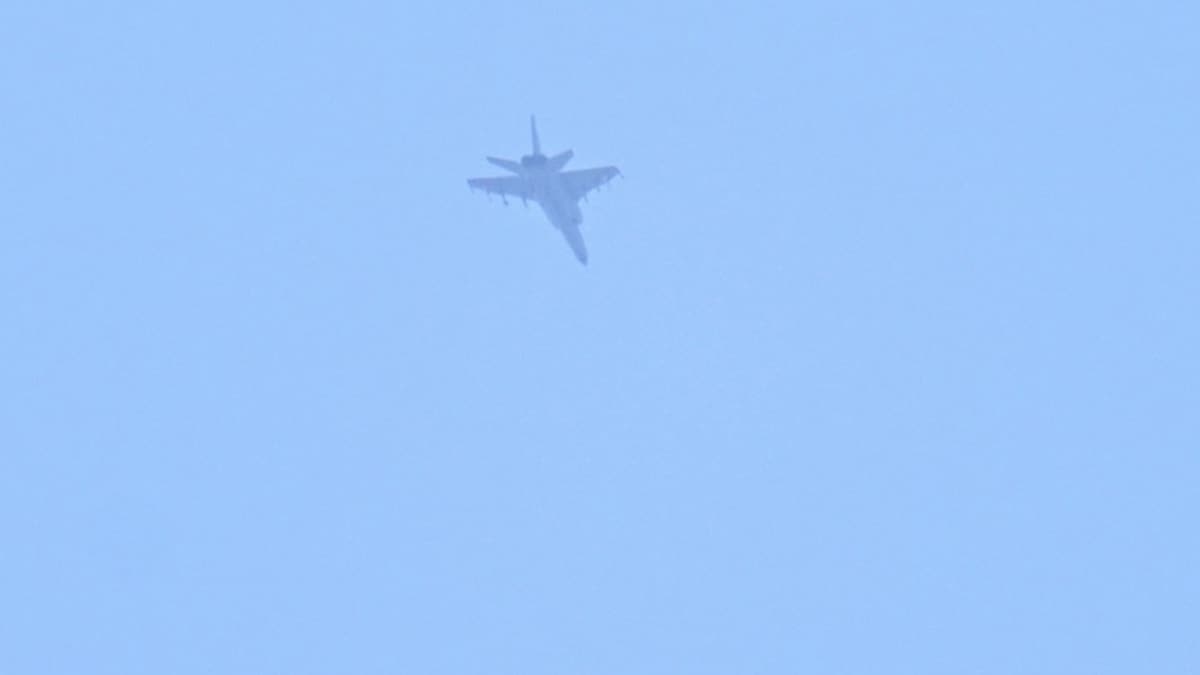
China, in a an unusual step has closed its offshore airspace in the East China Sea for a period of 40 days starting March 27 until May 6.
The country has been issuing alerts to which are usually used to warn of military exercise. What is unusual here is that no such exercises have been announced, the Wall Street Journal reported.
Reserving a large section of the sea for a duration of 40 days is unusual because military exercises only last a few days.
The alerts being send out, called Notams or Notice to air missions inform pilots of temporary airspace hazards or restrictions.
The area being reserved extends from the south of the Yellow Sea facing South Korea to the East China Sea facing Japan and is located hundreds of miles from Taiwan, the paper reported.
The reserved airspace has not vertical ceiling which is designated in the Notams and SFC-UNL
Ray Powell, director of the SeaLight project at Stanford University, told the WSJ, “What makes this especially notable is the combination of SFC-UNL with an extraordinary 40-day duration and no announced exercise." "That suggests not a discrete exercise but a sustained operational readiness posture and one that China apparently doesn’t feel the need to explain," he said.
Taiwan officials think that China is boosting its military presence in the region as the US is heavily engaged with the Iran war. In a recent move the US had moved a majority of its long range missiles from the pacific to the middle east.
Officials said that the zones reserved were aimed at Japan and were an attempt to deter the US military in the region.
Christopher Sharman, director of the US Naval War College’s China Maritime Studies Institute, said the restricted airspace could “provide an opportunity to practice the kinds of air combat manoeuvrers that would be required in such a scenario.”
