



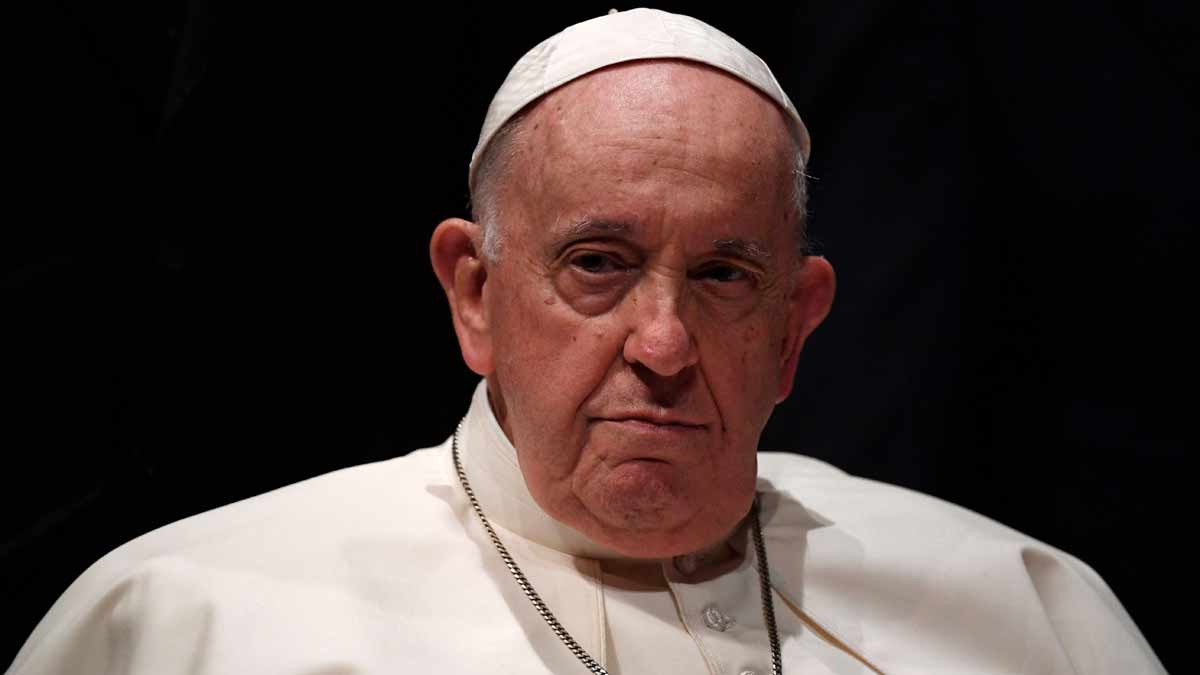
Regina Sivori Bergoglio, mother of Pope Francis wanted to make her son a doctor. But at the age of 16, her son received the divine call for priesthood. Known back then as Jorge Mario Bergoglio, he joined the Society of Jesus in 1958 and became a Jesuit in March 1960. In 1969, young Jorge was ordained a Catholic priest.
In 2013, when Bergoglio was elected Pope, he became the first Jesuit Pope. Surprisingly, he chose the name, Francis, after St. Francis of Assisi- the patron saint of the poor and became the first Pope by that name. The selection of this name says a lot about the Pope, as he often acted like a Franciscan.
Known as a liberal and reformist, Bergoglio maintained certain differences with traditional Jesuit principles and practices. Whilst he remained discreet about these disagreements, his administrative decisions and leadership style clearly reflected his divergent stance.
Who are Jesuits?
The Society of Jesus, or the Jesuits, is a religious order of priests founded in the 1530s by St. Ignatius Loyola and his companions. Jesuits take vows of poverty, chastity, and obedience, and they live together in a community. As an all-male order, their formation process is rigorous and can take 10 years or more of study and spiritual preparation.
The leader of the Jesuits is called ‘Black Pope’ due to his distinctive black cassock.
Bergoglio was drawn to this religious order by its emphasis on tight-knit communities, missionary work, and disciplined living. In general, Jesuit priests are discouraged from seeking positions such as bishophood, and it is common for even highly capable Jesuit leaders to transition between high and low assignments.
The rigorous or ‘military-like’ training provided under the Order was with the aim to equip the men to go anywhere and fulfil any mission under any circumstances.
Bergoglio’s journey as a Jesuit
At just 36 years old, Bergoglio was appointed provincial of the Argentine Jesuits, making him one of the youngest senior leaders during a period of internal and external turmoil. His time in this role significantly impacted his reputation within the Jesuit order.
It was the time when the ‘Dirty Wars’ erupted during the 1970s. Around 30,000 Argentines were killed in the war. Jesuit residences were repeatedly raided by the ruling military junta. On several occasions, Bergoglio has acknowledged that his “quick” decisions at the time paved the way for serious internal issues.
Though he was said to be 'silent' over the military brutality against the poor, some Jesuits got tired of it and urged the poor to confront their oppressors.
Bergoglio was against such persuasion and warned the priests who rebelled- Franz Jalics and Orlando Yorio, but they refused. Later, both priests were captured by the armed men. After five months they were released. Yorio blamed Bergoglio for their capture and accused him of failing to protect them.
According to reports, Bergoglio was often criticised by some of his fellow Jesuits as a military sympathiser even as he denied these claims.
Bergoglio- ‘A disciplined rule-breaker’
Bergoglio was known for his strict approach, emphasising punctuality and enforcing moral or social consequences for rule-breaking. He discouraged his students from reading liberation theology, favouring more practical methods of aiding the poor, such as building farms, milking cows, and harvesting crops.
Though he embraced the championing of the poor, he was seen as an enemy of liberation theology (a theological approach that advocates for the liberation of the poor or oppressed). The differences were quite out in the open. Many Jesuits preferred more intellectual freedom than chores.
When his six-year term as seminary rector ended in 1986, he was sent to Germany to finish his doctoral thesis. It was seen as a move by his superiors to get rid of him as discontentment was brewing among the group.
Homesick and tired of mere library work, he returned home after three months, raising eyebrows among his superiors. Many times, his views or those of who supported him clashed with the others in the group and finally, the decision was made to send him away.
Life in exile
In 1990, he was exiled to Cordoba, around 400 miles away from Buenos Aires. “What I did in Cordoba had more than do with my inner life,” the Pope had said.
Rev Angel Rossi, Superior of the Jesuit Residence in Cordoba, in an interview with CNN, said that the Pope suffered terribly during his exile, and they were worried about his mental health. It’s said that after his exile, he came back more merciful, and kinder.
Though he knew he was being punished, he was not openly critical about it. He helped with housework, prepared meals, folded the laundry and changed the soiled sheets of sick and elderly Jesuits.
Two years into his exile, a surprise appointment set off a chain of events that would ultimately lead Bergoglio to the Throne of St. Peter.
Cardinal Antonio Quarracino of Buenos Aires appointed Bergoglio as his assistant bishop in 1992. Six years later, in 1998, Bergoglio succeeded Quarracino as Archbishop. Bergoglio was made a cardinal by John Paul II in 2001.
As cardinal, during his regular visits to Rome, Bergoglio never stayed at the Jesuit headquarters. He stayed at a clerical guest house with others. His Jesuit rivals heaved a sigh of relief when he became the runner-up in the 2005 Papal Conclave, in which Cardinal Joseph Ratzinger (Benedict XVI) was elected Pope.
Despite disagreements, the Society of Jesus had a huge influence on his thoughts, actions and prayers.
