



For decades, observation decks served a simple purpose, that was to take visitors high above the city, offer a panoramic view, and send them back down with a handful of photographs. Today, that model is rapidly becoming obsolete. Across global cities, observation decks are being reimagined as immersive, multi-sensory cultural spaces, as places designed not just for seeing, but for feeling a city.
This shift mirrors a broader change in global tourism. As travellers become increasingly saturated with visual content with much of it being endlessly replicated on social media, destinations are under pressure to offer experiences that go beyond the predictable skyline shot.
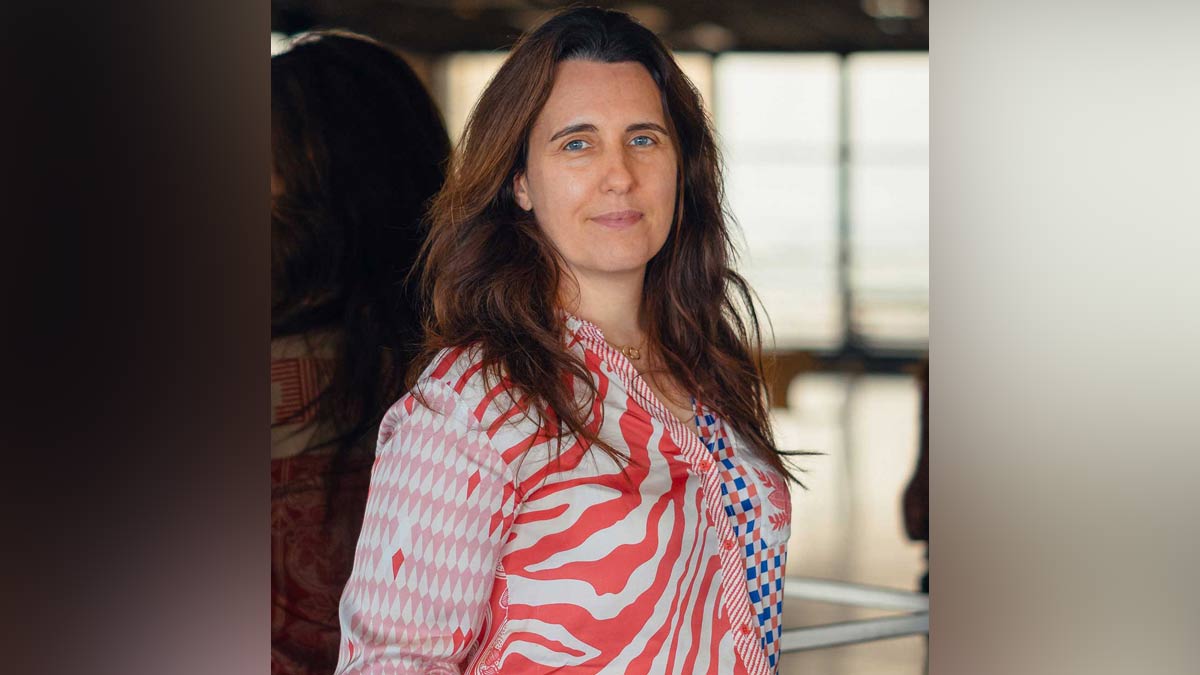
What visitors now seek is emotional recall, sensory engagement and a sense of participation rather than passive sightseeing. “People don’t want to just see something anymore,” says Caroline Biros, marketing and communications director, MagniCity, a France-based group that operates observation experiences in cities such as Berlin, Chicago, Rotterdam and Warsaw. “They want to feel something and they want that feeling to stay with them long after they’ve left," she tells THE WEEK.
Observation decks, uniquely positioned between architecture, history and urban spectacle, are proving fertile ground for this transformation. Instead of acting as standalone viewpoints, many now integrate storytelling, interactive technology, local cuisine, sound design and even physical sensations such as vertigo or suspension, effectively turning height into an experience in itself.
According to Caroline, the change is driven by how people travel today. “We live in a world with endless choices. A view alone is no longer enough value for money. What travellers are really looking for is a moment, something personal, something they can remember, not just photograph.”
At several modern observatory decks, the experience begins long before visitors reach the top. Elevators are no longer silent transport mechanisms but narrative devices, using screens, sound and lighting to ease visitors into the story of the city.
Exhibition corridors introduce local anecdotes, historical flashpoints and cultural references, allowing visitors to contextualise what they are about to see.
Food and drink have also become central to the observatory experience. Rather than generic cafés, many decks now house locally rooted restaurants or bars, often designed in collaboration with regional chefs. In Berlin, for instance, MagniCity’s rotating restaurant places emphasis on traditional German cuisine interpreted through a contemporary lens. “We wanted people to taste the city as much as they see it,” Caroline explains. “The food is part of the cultural memory.”
In cities like Chicago, the experience incorporates an element of controlled thrill. One of the observatory’s most popular attractions involves tilting glass windows that gently angle visitors outward, triggering a brief but powerful sensation of vertigo. “Some people are scared, some people feel nothing at all,” Caroline says. “But either way, it’s a moment. It makes you feel alive inside the city.”
This emotional engagement is key. Industry observers note that observation decks are increasingly competing not with other viewpoints, but with immersive museums, theme attractions and even live entertainment. The goal is to encourage visitors to linger, to spend time, money and attention, rather than treat the deck as a quick checklist stop.
Importantly, this trend is also shaping how cities narrate themselves. Observation decks now act as curated vantage points, framing urban identity through history panels, digital simulations and carefully designed sightlines. “Every city has its own story,” Caroline says. “Our job is not to standardise that experience, but to magnify what already exists.”
As global tourism continues to shift toward experience-led travel, observation decks are quietly reinventing themselves, no longer just platforms above the city, but stages where urban life is interpreted, felt and remembered.
