



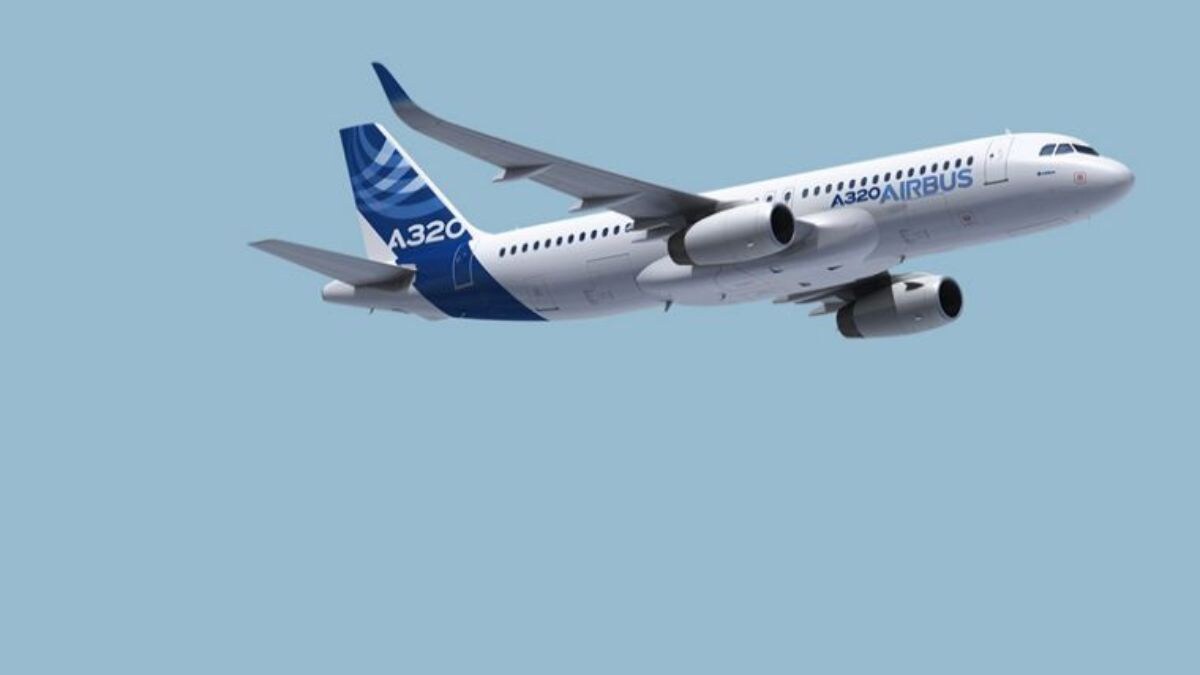
Airbus issued a global alert to all of its A320 operators to ask them to immediately update a newly identified software issue that could affect flight controls on Saturday. About 6000 A320 planes, about half of its fleet, are thought to be affected. Thousands of its planes were grounded after the notice.
The notice was sent out after the company discovered that intense solar radiation could corrupt data that is critical to the function of onboard flight control computers.
Airbus said that they discovered the issue after an investigation into one plane that suddenly lost altitude while flying between the US and Mexico in October. The plane, a JetBlue Airways flight, had to make an emergency landing in Florida after at least 15 people were injured and had to be taken to hospitals. The sudden drop, which happened without pilot command, prompted a federal aviation investigation.
The investigation found that the flight control computer or its ELAC B hardware, which runs on the software version L104, is vulnerable to solar flares. The interference could also cause aircraft elevators to move unexpectedly in some cases, which could push the jet beyond its structural limits, according to Aerospace Global.
Flights can be controlled by coronal mass ejections (CME) or plasma being ejected from the sun into space, according to Former Qantas captain Getley, who holds a PHD in cosmic and solar radiation in aviation. The higher the severity of the CME, the more likely that it affects satellites and aircraft travelling above 28,000 ft or 8.5 kilometres. CMEs release heavy charged particles into the Earth's atmosphere.
On about 5,100 Airbus planes, the issue can be addressed using a relatively simple software update, which would only take about three hours, the BBC reported.
However, the remaining 900 aircraft would need their onboard computers completely replaced and will not be flying until the replacement is completed.
Airbus, along with its rival Boeing, makes up about three-quarters of the world's commercial aircraft fleet, which means this delay impacts the global air traffic at significant levels.
