



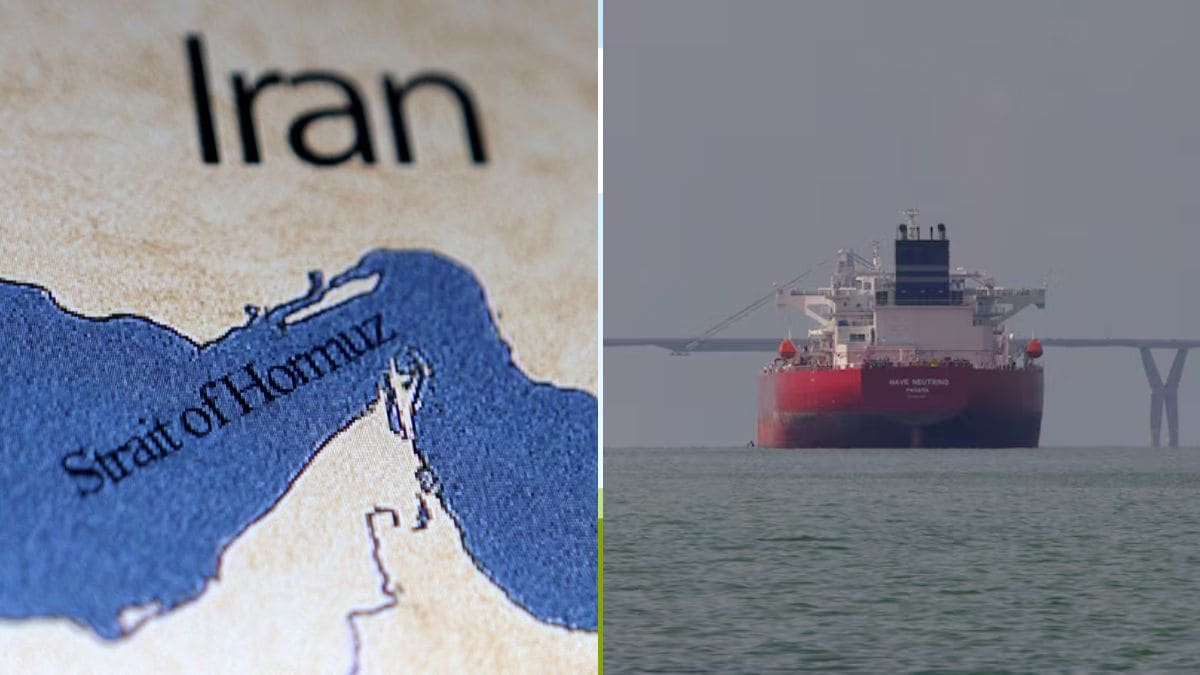
Iranian lawmakers have proposed levying taxes on ships passing through the Hormuz Strait as the war between Iran and US-Israel forces nears three weeks.
“We in Parliament are pursuing a plan under which countries will pay tolls and taxes to the Islamic Republic if the Strait of Hormuz is used as a secure route for transit, energy and food security,” Iranian lawmaker Somayeh Rafiei said, as per a report from semi-official news agency ISNA.
She added that the proposed plan would exchange Iranian guarantees of security for vessels passing through the Hormuz Strait in return for toll payment to Tehran, as a part of Supreme Leader Mojtaba Khamenei's alleged plans to continue using the embattled strait as leverage.
This comes after Iran imposed "special conditions" on the embattled strait, which prevents the US (and its allies) from crossing it.
This has led to a sharp dip in maritime traffic through the strait, which, before the war, was seeing about 20 per cent of the world's energy exports transit through.
According to maritime tracker Lloyd's List Intelligence, only 90 tankers have managed to pass through the Hormuz Strait since March 1—most of which are vessels from friendly nations that have received Iranian permission to pass through without harm.
The Indian-flagged vessel Jag Laadki, which reached India on Wednesday, is one of the latest examples of a friendly nation's ships being given permission-based access to cross the Hormuz Strait safely. After its exit from the strait, it was escorted by Indian Navy vessels to India.
Notably, the scope of the proposal is yet to be known, as it has not specified which countries' vessels it plans to impose taxes on, and whether friendly nations' vessels would come under the radar.
Iran going ahead with Hormuz Strait passage taxes on friendly nations would mean a greater financial burden on India at a time when global energy exports—particularly crude oil and natural gas—are under serious threats due to attacks on energy infrastructure by both sides of the war between Iran and US-Israel forces.
The taxes would also be adding on to maritime coverage prices that have increased in the three weeks since the war began.
The projectile attack on the Thai-flagged bulk carrier Mayuree Naree as it crossed the Hormuz Strait last week is also predicted to have a significant impact on increasing risk premiums going forward.
Another Lloyd's List Intelligence report has pointed out that seven-day insurance premiums for the Gulf have increased tenfold.
"That said, there is a wide spectrum of pricing and safer vessels seem to be getting away with 1 per cent of hull value or less, which is still a decent margin by normal standards," the report added.
