



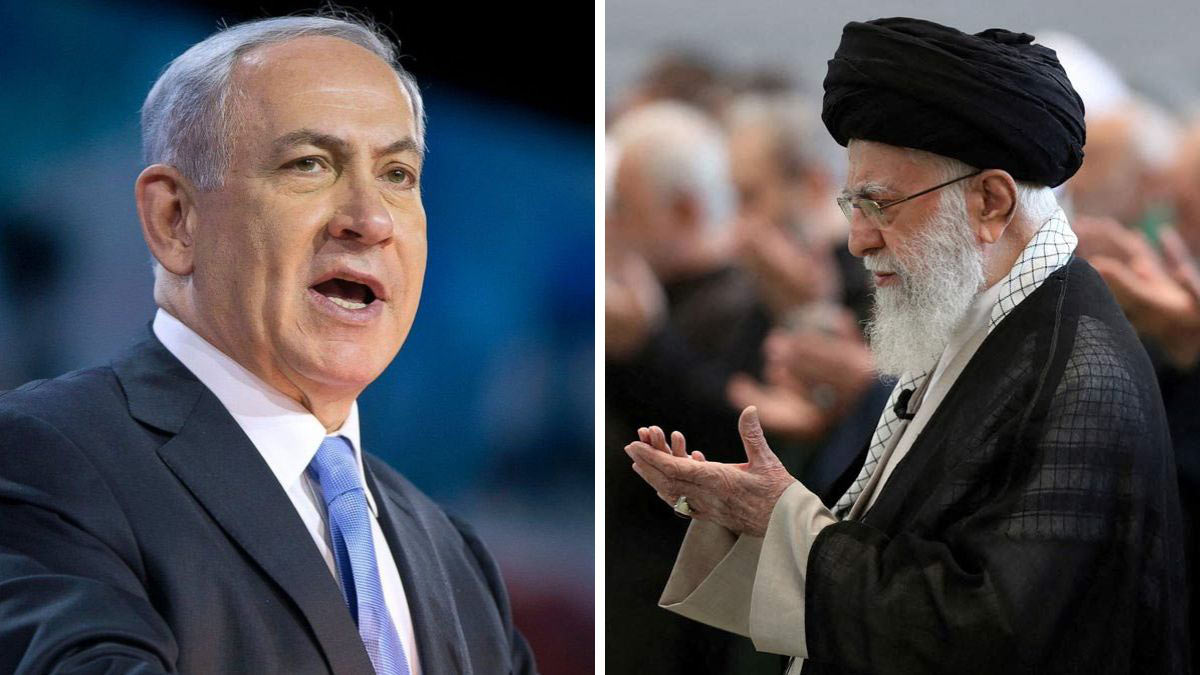
Israel’s intelligence agencies reportedly spent years hacking Iran’s traffic cameras to track the movements of Supreme Leader Ayatollah Ali Khamenei before executing a targeted airstrike on his residence on February 28, according to a media report.
The Financial Times, based in London, claimed that Israel had hacked the traffic cameras and gained access to mobile phone networks, allowing them to monitor Khamenei’s movements and security details. The report stated that nearly all traffic cameras in Tehran were compromised, with footage being encrypted and transmitted to Israeli servers.
These cameras were also part of the state surveillance system, which helps identify and track protesters and regime opponents.
Israeli agencies reportedly discovered that one particular camera was positioned to capture the area where Khamenei’s security team parked their cars. Over time, the intelligence agencies gathered details about the guards' addresses, work schedules, and the individuals they were assigned to protect.
"We knew Tehran like we know Jerusalem," an Israeli intelligence official told the Times. "And when you know [a place] as well as the street you grew up on, you notice a single thing that’s out of place."
The report also revealed that Israel had developed Artificial Intelligence tools and algorithms to sift through the vast data collected on Iran's leadership and their movements. Additionally, Israeli agencies reportedly disrupted over a dozen mobile phone towers near Pasteur Street, causing phones to appear busy when called. This prevented members of Khamenei's protection detail from receiving potential warnings.
On February 28, Khamenei, along with several high-ranking security officials, was killed in a coordinated strike by Israeli and US forces, sparking a fierce retaliation from Iran’s Islamic Revolutionary Guard Corps. The attack raised concerns about the risk of a regional war, as Tehran launched a barrage of missiles at Israel and targeted neighboring countries hosting US military bases.
