



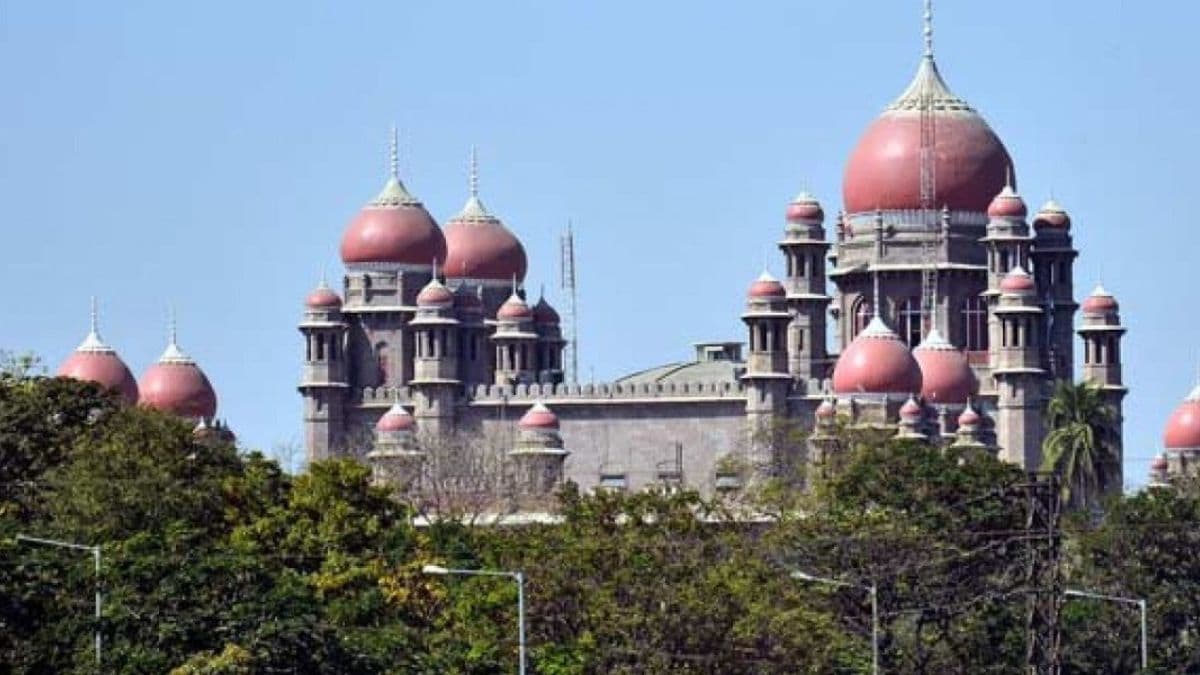
The Telangana High Court, in its April 3 interim order, permitted private engineering colleges to collect tuition fees directly from students eligible under the fee reimbursement scheme for the 2026-27 academic year. The court’s interim order has triggered a growing crisis for nearly 14 lakh students across the state, with private colleges beginning to demand upfront payment of fees. Student organisations and civil society organisations have termed the development a serious blow to higher education, even as the state government prepares to file an appeal against the order. The decision comes amid prolonged delays in government reimbursement payments, estimated at over Rs 1,500 crore. The colleges are waiting for a total of Rs 8,514 crore in fee dues.
The issue centres on the fee reimbursement scheme, which supports students from economically weaker sections, including those from SC, ST, BC and minority communities. The present order is applicable only to the 14 colleges that have joined the plea, and more colleges are planning to join the petition to benefit from it. Reports from across the state indicate that some colleges have begun pressuring students to pay fees, with instances of withholding certificates also being reported. Student groups cautioned that such coercive practices could have serious consequences, recalling past incidents where financial stress had led to extreme steps by students.
Rajya Sabha member and BC Joint Action Committee chairman R. Krishnaiah said the situation arose due to delays in reimbursement payments and inadequate representation by the state in court. He warned that the verdict could severely impact poor students and called for immediate corrective action. Krishnaiah emphasised that lakhs of students depend on the scheme and should not be burdened with fee liabilities.
The education department officials indicated that the state government is examining legal options and is likely to move an appeal against the high court order to protect student interests and clarify the responsibility of fee payments. On the same day, local media reported that the Centre took back Rs 250 crore meant for fee reimbursement due to the state government’s failure to allocate the matching grants.
The Students Federation of India Telangana state committee strongly opposed the order, terming it unjust and against student welfare. The organisation argued that private colleges had admitted students based on government assurances of fee reimbursement and should not now shift the burden onto students.
SFI state president S. Rajanikanth and secretary T. Nagaraju said the state government’s refusal to clear the Rs 8,514 crore dues is exacerbating the crisis. They warned that forcing students to pay fees could disrupt education for lakhs of economically vulnerable students and hinted at launching a student movement if the issue is not resolved.
Amid rising concerns, students have urged the government to release pending reimbursements, curb coercive fee collection, and ensure that students are not denied access to education. The Congress government, which has failed to address the problem after coming into power, came under pressure with the court order and the Centre’s decision.
