



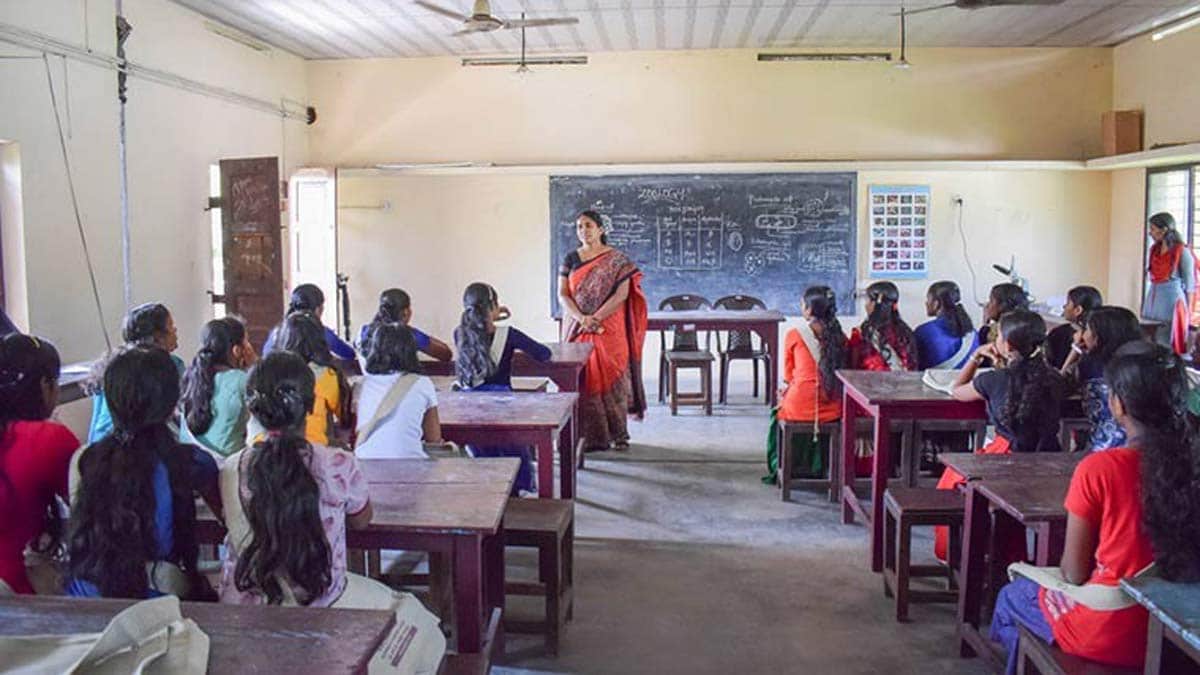
The government of Karnataka has decided to introduce sex education classes for children from classes 8 to 12. This move is being termed as a right step and may go a long way in educating children about sex and may play an important role in making them aware of the hormonal and emotional changes that happen during adolescence. Madhu Bangarappa, Karnataka School Education and Literacy Minister said that there is a need to make children aware about digital addiction and sexual activity and teenage pregnancy.
The sex education classes are expected to be held twice a week by doctors and are expected to help teenagers understand and address physical, emotional, and hormonal changes that occur during adolescence. It is expected that it will also include health examinations and counselling sessions twice a year. Police personnel will also be tasked to interact with children to make them aware of the Protection Of Children from Sexual Offences (POCSO) Act.
In India, sex education classes are still considered taboo in many states and many have not introduced such classes. However, as per UNESCO, countries have increasingly acknowledged the importance of equipping young people with the knowledge, skills and attitudes to develop and sustain positive, healthy relationships and protect themselves from unsafe situations.
As per UNESCO, while 85 per cent of countries have policies that are supportive of sex education, significant gaps remain between policy and curricula, as per the global status report by UNESCO on 'Comprehensive Sexuality Education' or CSE. The same report identifies that more than four in five countries cover relevant sexuality education content and topics in their national curriculum, though more progress is needed because a number of key topics are missing or taught too late.
As per UNESCO, with CSE, young people learn to treat each other with respect and dignity from an early age and gain skills for better decision making, communication, and critical analysis. They learn they can talk to an adult they trust when they are confused about their bodies, relationships and values. They learn to think about what is right and safe for them, and how to avoid coercion, sexually transmitted infections including HIV, and early and unintended pregnancy, and where to go for help. They learn to identify what violence against children and women looks like, including sexual violence, and to understand injustice based on gender. They learn to uphold universal values of equality, love and kindness.
It needs to be seen as to how this move by Karnataka will fare in the long run and how it will pave the way for reducing sexual violence. It is indeed a step in the right direction if implemented fully. As per reports, even smaller countries such as Sudan and Congo score much higher than India as far as sex education is concerned as children in these countries are taught sex education from the primary level itself.
