



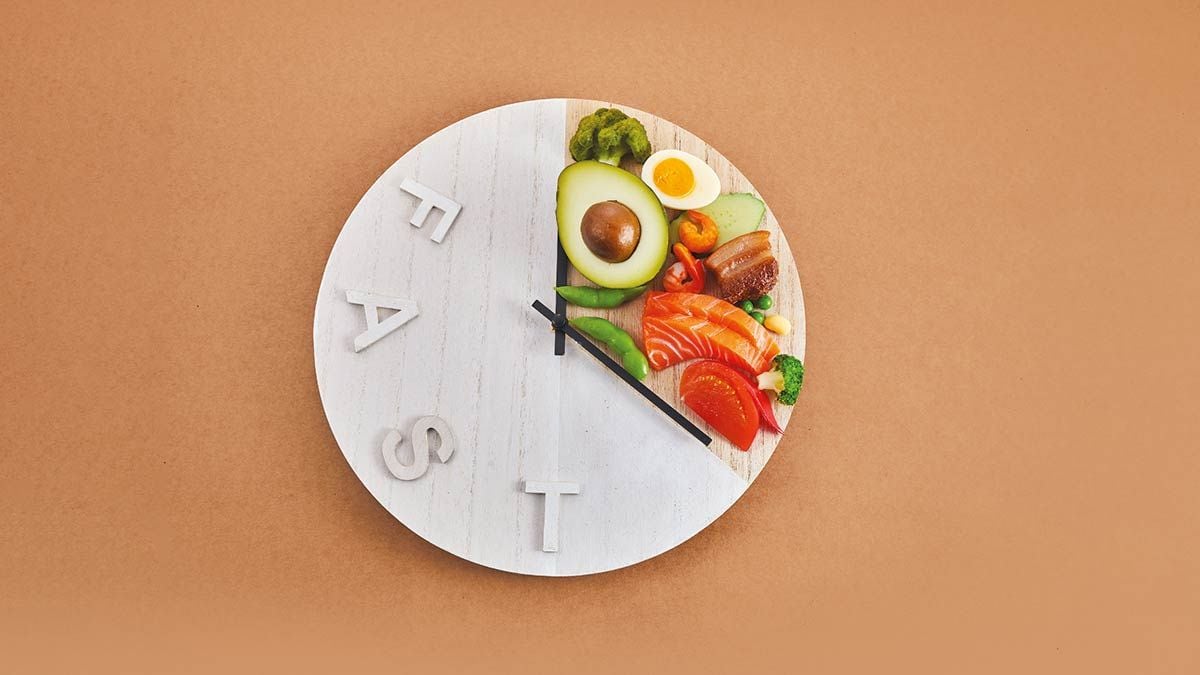
Intermittent fasting (IF) has become one of the most talked-about health trends in recent years. From celebrities to fitness enthusiasts, many swear by it. But is it truly effective or just another fad? Let us separate facts from hype.
What is intermittent fasting?
Intermittent fasting is not about what you eat, but when you eat. It involves alternating periods of eating and fasting. Unlike traditional diets, it focuses on timing rather than calorie counting. During fasting, the body undergoes a 'metabolic switch', shifting from using glucose to burning stored fat for energy.
Is it a new diet trend?
Not really. Fasting has been practiced for thousands of years. Examples include religious fasting (Ramadan, Navratri, Lent) and traditional lifestyles where food was not always available. What is new is the scientific framing and structured patterns of fasting.
Common ways to practice intermittent fasting:
• 16:8 method: Eat within 8 hours and fast for the remaining 16 hours
• 5:2 diet: Eat normally on 5 days and restrict calories on the remaining 2 days per week
• Alternate-day fasting: Fast every other day
All these methods aim to reduce overall calorie intake and improve metabolic health.
What can you eat during fasting and eating windows?
During fasting, water, black coffee or tea (without added sugar or milk) and electrolyte fluids (if needed) are permitted.
During the eating window, you can eat anything, but that doesn’t mean you should (avoid ultraprocessed packaged foods, junk foods, etc). Intermittent fasting is not a license for junk food. Diet quality still matters. Incorporate whole grains, fruits, vegetables, adequate protein and healthy fats in your diet.
What are the proven benefits of intermittent fasting?
1. Weight loss and obesity
Multiple meta-analyses show intermittent fasting leads to modest weight loss, especially in overweight and obese individuals. However, IF is not superior to traditional calorie restriction; both work similarly.
2. Diabetes and blood sugar
Intermittent fasting can improve insulin sensitivity and reduce blood sugar levels. Some studies show benefits in people with type 2 diabetes, though results vary.
3. Cholesterol, BP, heart health
Evidence suggests that intermittent fasting is associated with a reduction in weight, triglycerides, some cardiovascular disease risk factors, and a possible modest improvement in blood pressure. But long-term effects on heart attacks or survival are not yet proven.
4. Cancer
Animal studies show promising effects; however, human evidence is limited and inconclusive. Intermittent fasting does NOT cure cancer.
Can intermittent fasting cure chronic diseases?
No. It may help manage conditions like obesity and diabetes, but it is not a cure. Intermittent fasting should be part of a broader lifestyle approach.
Does intermittent fasting 'clean up' the body or burn fat preferentially?
Two widely circulated claims need careful interpretation.
Intermittent fasting clears damaged or cancer cells
Fasting activates autophagy, where cells recycle damaged components. This is well demonstrated in laboratory and animal studies and is often described as a 'cellular clean-up' mechanism. However, in humans, there is no strong clinical evidence that intermittent fasting enhances meaningful clearance of damaged cells, improves phagocytosis in clinically significant ways, or prevents or treats cancer. So, while biologically plausible, 'detox' and cancer-clearing claims are overstated.
Intermittent fasting causes preferential fat loss
During fasting, the body shifts toward fat utilisation. But fat loss ultimately depends on total calorie deficit. Research shows that intermittent fasting and standard diets produce similar fat loss and they do not uniquely target fat. Also, without adequate protein and exercise, some muscle loss may occur.
What are the adverse effects of intermittent fasting?
Common early adverse effects include hunger, headache, irritability and low energy. Some people complain of heartburn (acidity) and worsening of migraine headaches. Other concerns are overeating during the eating window, nutritional deficiencies (if the overall diet is poor) and social inconvenience.
Can intermittent fasting be followed long-term?
Short-term studies show benefits, but long-term (years) data are limited. Sustainability varies between individuals. The best diet is one you can maintain consistently.
Who should avoid intermittent fasting?
It is not suitable for everyone. The following groups should avoid intermittent fasting:
• Pregnant or breastfeeding women
• Underweight individuals
• People with eating disorders
• Children and adolescents
• People with uncontrolled diabetes or those on insulin (higher risk of hypoglycemia)
Can you exercise during fasting?
Yes, with caution. Light to moderate exercise is generally fine. Strength training and running can be done, especially closer to the eating window. It is important to listen to your body and stay hydrated during exercise.
Intermittent fasting is a useful tool, not a magic solution. It can help with weight loss and metabolic health. It is comparable (not superior) to other diets. Diet quality and consistency matter more than timing alone. In the end, the best approach is simple: Eat healthy, stay active, sleep well, and choose a pattern you can sustain for life.
The opinions expressed in this article are those of the author and do not purport to reflect the opinions or views of THE WEEK.
