



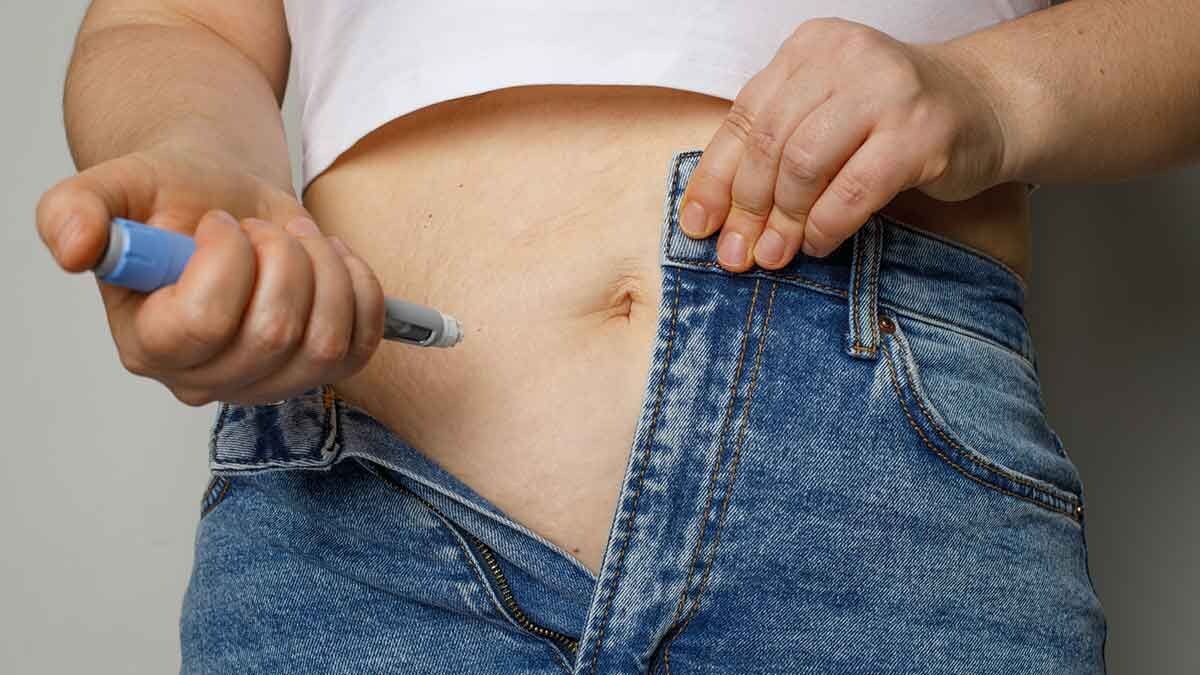
India’s pharmaceutical market is witnessing a sudden surge of semaglutide launches, as domestic drugmakers race to capture a share of one of the world’s most sought-after therapies for diabetes and obesity.
In the past few days alone, multiple companies, including Zydus Lifesciences, Glenmark Pharmaceuticals, Dr. Reddy’s Laboratories, and Alkem, have introduced their own versions of semaglutide, signalling the beginning of a highly competitive and potentially transformative phase in India’s metabolic disease treatment landscape.
The trigger is the patent expiry of the original molecule in India. What was once an expensive, limited-access therapy is now entering the mass market, with companies competing aggressively on price and delivery formats.
The most striking shift is in affordability. Glenmark has positioned its product, GLIPIQ, as the lowest-cost entry point, with weekly therapy starting at around Rs 325, thereby reducing the monthly cost to roughly Rs 1,300–1,800, depending on the dosage. Alkem, too, has entered the segment with brands such as Semasize and Obesema, pricing its monthly therapy at about Rs 1,800.
Zydus has taken a slightly higher pricing band, estimating monthly therapy at around Rs 2,200, while Dr. Reddy’s Obeda is priced at approximately Rs 4,200 per month.
Sun Pharmaceutical Industries has entered India’s rapidly expanding semaglutide market with the launch of Noveltreat and Sematrinity, targeting both obesity and type 2 diabetes.
While Noveltreat is indicated for chronic weight management and available in five dose strengths, Sematrinity is for diabetes care. The company has positioned both products as more affordable alternatives to existing options, with weekly therapy costs ranging from about Rs 900 to 2,000 for weight management and Rs 750 to 1,300 for diabetes, further intensifying price competition in the segment.
Even at the higher end, these prices mark a sharp drop from earlier costs, which had kept GLP-1 therapies out of reach for a large section of Indian patients.
For a country with over 100 million people living with diabetes and a rapidly growing obesity burden, this price correction could significantly expand access. While the drug itself is the same, companies are differentiating through delivery systems and treatment experience.
Zydus plans to launch the Semaglutide injection under the brand names SEMAGLYNTM, MASHEMATM, and ALTERMETM, upon the patent expiry in India. Unlike existing treatments that require patients to purchase multiple single-dose pens as they titrate their dosage, Zydus plans to introduce an innovative, adjustable single-pen device, allowing patients to seamlessly select and administer varying dose strengths from a single unit, significantly enhancing patient adherence.
Speaking on the development, Managing Director, Zydus Lifesciences Limited, Dr. Sharvil Patel said, “Zydus’ innovative offering of Semaglutide injection is a testament to our enduring commitment to patient-centric innovation. We are not just planning to bring a critical therapy to market; we are aiming to elevate the standard of care. By introducing a first-of-its-kind drug delivery mechanism in India, we plan to simplify the treatment. This leap in convenience will drive better long-term adherence and, ultimately, significantly improved clinical outcomes for patients.”
Glenmark, on the other hand, is offering both vial-based formulations and pre-filled pens, allowing physicians greater flexibility in initiating therapy. The vial format, in particular, is being pitched as a cost-effective option during early treatment stages.
Dr. Reddy’s has focused on a fully integrated model, along with a digital patient support programme, SemaKare, that includes onboarding, training, and adherence tracking.
These variations point to an evolving market where convenience, usability, and support systems may be as important as pricing.
Semaglutide belongs to a class of drugs known as GLP-1 receptor agonists, which not only help control blood sugar but also aid in weight loss. Globally, this dual benefit has turned the drug into a blockbuster, with demand extending beyond diabetes to obesity management.
In India, this could mark a shift in how obesity is treated. Data suggests that obesity rates in India have risen sharply over the past decade, with significant increases among both men and women. Yet, treatment options have largely remained limited to lifestyle changes and, in some cases, bariatric surgery.
The wider availability of semaglutide could change that, but experts caution against viewing it as a quick fix. Despite the excitement, semaglutide is not a cosmetic weight-loss drug, doctors tell THE WEEK. It is a prescription therapy with potential side effects, and its use requires medical supervision. Doctors warn that indiscriminate use, particularly among non-diabetic individuals seeking rapid weight loss, could lead to complications.
“These drugs are not magic bullets. They work best when combined with sustained lifestyle changes and regular monitoring. The bigger challenge is not starting patients on semaglutide, but ensuring they stay on treatment safely and appropriately over the long term. Also, not everyone should take it; a medical professional must be consulted to understand eligibility, else it can lead to long-term complications," says Dr Rajiv Kovil, diabetologist based in Mumbai.
Moreover, long-term adherence remains a challenge. Studies have shown that patients often discontinue GLP-1 therapies due to cost, side effects, or unrealistic expectations.
"The growing popularity of semaglutide for weight loss is a double-edged sword. While it offers real clinical benefits, there is a serious risk of misuse if it is seen as a lifestyle drug rather than a prescription therapy that requires careful medical supervision,” says Dr Ramesh Shah, family physician based in Mumbai.
For pharmaceutical companies, semaglutide represents both an opportunity and a test case. The entry of multiple players at once is likely to intensify competition, drive further price corrections, and push innovation in drug delivery.
For patients, however, the shift is already significant. A therapy that was once financially out of reach is becoming increasingly accessible, potentially reshaping how India tackles two of its biggest health challenges: diabetes and obesity.
