



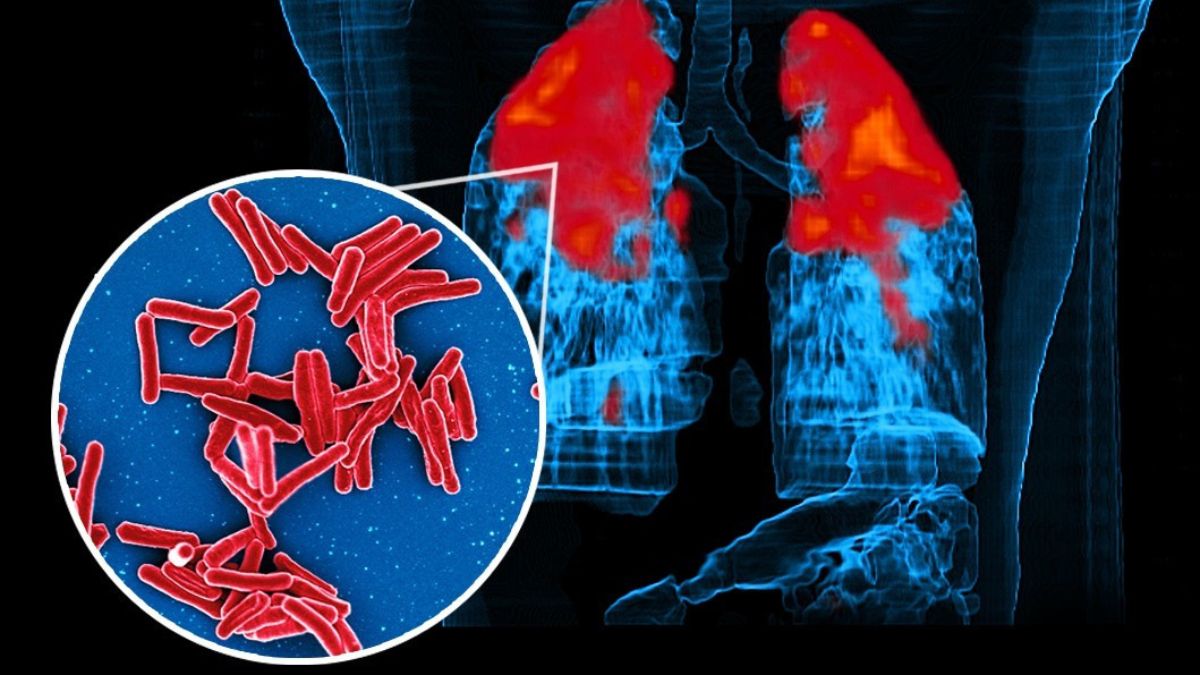
Tuberculosis (TB) continues to remain a serious global health issue, even though antibiotics and vaccination campaigns are in place to tackle it. Scientists and medical experts are still trying to understand the reason why TB continues to persist.
What makes TB difficult to control?
"One reason TB is so difficult to control is that the bacteria can enter a resting state called latent or dormant TB after the initial infection. In this phase, the bacteria stay alive but inactive, sometimes for many years. People with latent TB have no symptoms and cannot spread the disease. However, the bacteria can become active again if the immune system weakens, such as with another infection or HIV or use of immunosuppressants," as per the Indian Institute of Technology Bombay (IITB).
A study conducted by IIT Bombay and Monash University sought to determine why dormant TB bacteria remain unaffected by antibiotics. Their study, published in the Chemical Science journal, identified how the bacteria survive antibiotic treatment and what contributes to their drug tolerance. The research also suggests that interfering with this survival mechanism could enhance the effectiveness of existing TB drugs.
It was initially suspected that the drug tolerance was due to the bacteria's membranes, which are mostly made of fats or lipids that protect the cell. Researchers conducted experiments on Mycobacterium smegmatis and exposed it to four common TB drugs: rifabutin, moxifloxacin, amikacin, and clarithromycin. They found that the concentration of drugs needed to stop 50 per cent of bacterial growth was two to ten times higher in dormant bacteria than in active ones.
“The same drug that worked well in the early stage of the disease would now be needed at a much higher concentration to kill the dormant/persistent TB cells. This change was not caused by genetic mutations, which usually explain antibiotic resistance,” says Prof Kapoor.
The research team noted that the current TB treatment lasts at least six months, and dormant bacteria often survive this long course. Instead of only developing new antibiotics, they suggest improving existing ones. “Even old drugs can work better if combined with a molecule that loosens the outer membrane,” says Prof. Kapoor. This approach makes bacteria sensitive to the drugs again without giving them a chance to develop permanent resistance.
