



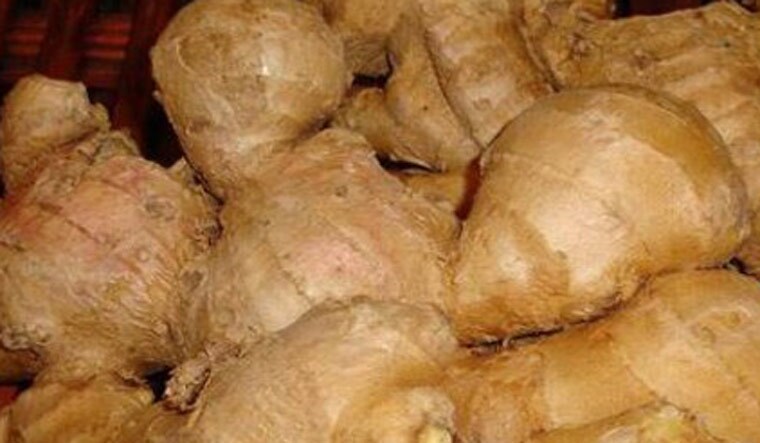
Ginger supplements have emerged as potential allies in the fight against autoimmune diseases. A recent clinical trial conducted by scientists at the University of Michigan, Ann Arbor, and the University of Colorado School of Medicine, which focused on both autoimmune mouse models and healthy humans, revealed that oral administration of ginger can influence neutrophils, a type of white blood cell, and the formation of neutrophil extracellular traps (NETs), also known as NETosis.
These NETs are intricate structures akin to microscopic spider webs, notorious for fueling inflammation and clotting processes that are implicated in various autoimmune conditions like lupus, antiphospholipid syndrome, and rheumatoid arthritis.
Autoimmune diseases, such as antiphospholipid syndrome (APS) and lupus, are marked by their chronic and incurable nature, leading to significant morbidity, mortality, and escalating healthcare expenses. Lupus, the quintessential systemic autoimmune disease, is characterized by the presence of autoantibodies targeting nuclear components, which form circulating immune complexes that deposit within organs, causing damage.
APS, on the other hand, can either present alongside lupus or independently and is associated with abnormal activation of the innate immune system and vascular cells, substantially elevating the risk of vascular thrombosis.
Despite their distinct clinical manifestations, compelling evidence suggests that both these conditions share a common pathological driver: the excessive and dysfunctional formation of NETs, termed NETosis.
During NETosis, neutrophils expel their chromatin in the form of pro-inflammatory web-like structures adorned with potentially harmful granule-derived proteins.
This exaggerated NETosis serves as a catalyst for inflammatory and thrombotic processes, contributing to gradual organ damage and the pathogenesis of numerous autoimmune disorders, including APS and lupus.
Dr. Kristen Demoruelle, a senior co-author of the study, highlights the significance of this discovery, stating, "There are a lot of diseases where neutrophils are abnormally overactive. We found that ginger can help to restrain NETosis, and this is important because it is a natural supplement that may be helpful to treat inflammation and symptoms for people with several different autoimmune diseases."
In the clinical trial, participants who consumed a daily ginger supplement for seven days (equivalent to 20 mg of gingerols per day) experienced an increase in a chemical called cAMP within their neutrophils. Elevated cAMP levels proved effective in inhibiting NETosis triggered by various disease-related stimuli.
Dr. Jason Knight, another senior co-author, emphasizes the groundbreaking nature of their research, saying, "Our research, for the first time, provides evidence for the biological mechanism that underlies ginger's apparent anti-inflammatory properties in people. There are not a lot of natural supplements, or prescription medications for that matter, that are known to fight overactive neutrophils. We, therefore, think ginger may have a real ability to complement treatment programs that are already underway."
The ultimate goal is to adopt a more strategic and personalized approach to alleviate the symptoms of autoimmune diseases. These promising findings have been published in the journal JCI Insight, paving the way for further exploration of ginger's potential in autoimmune disease management.
