



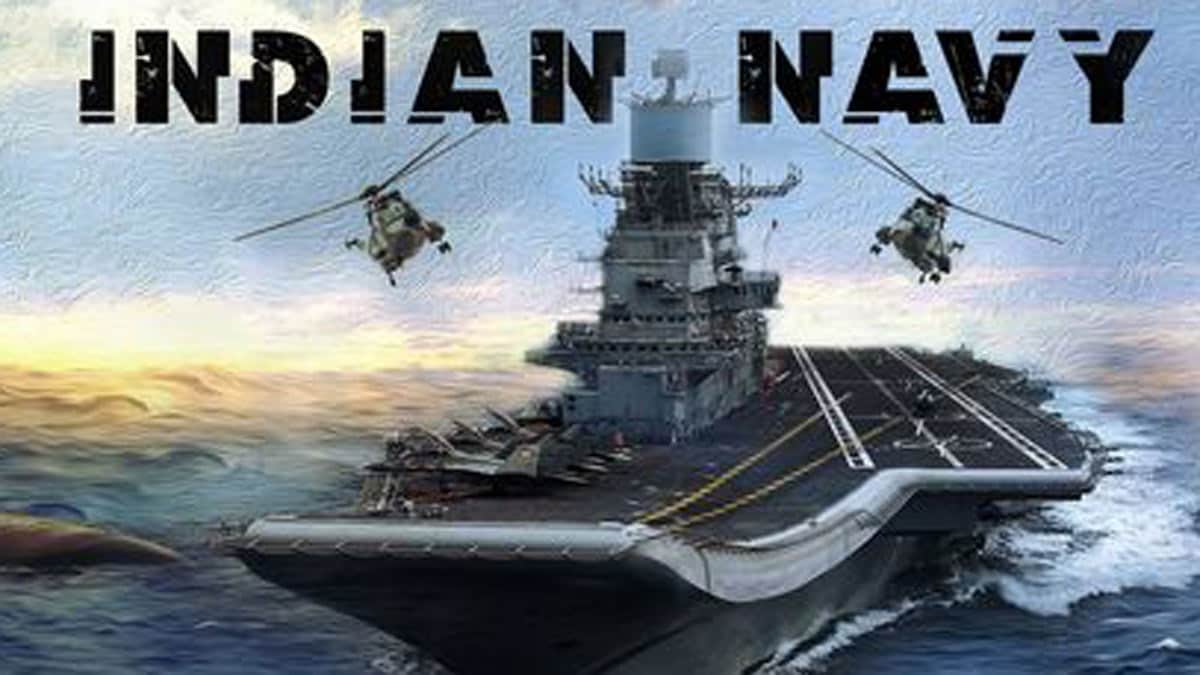
India’s naval response under Operation Urja Suraksha — the deployment of a handful of destroyers and frigates for escort duties in the Gulf of Oman — is a foolish and futile gesture. At best, it can deter pirates or opportunistic mischief by the Pakistan Navy. It cannot, and was never intended to, challenge a determined US Navy/CENTCOM blockade.
CENTCOM brings carrier strike groups, layered air dominance, overwhelming ISR, and the political will to enforce interdiction. Any Indian escort attempting to force passage would face a mismatch of catastrophic proportions. Claiming otherwise is pure wishful thinking and unadulterated bravado.
Worse, the entire Indian naval effort risks coming across as a misplaced attempt to demonstrate relevance. In a theatre dominated by US naval power and Iranian geography, a few Indian warships steaming nearby serve more as diplomatic signalling than as any genuine operational game-changer. They reassure domestic audiences and nervous shippers that “something is being done,” yet they do little to alter the underlying geometry of power. At the same time, they expose our fleet to the risk of becoming collateral damage from a stray mine or missile.
Tehran grants clearances; Washington decides enforcement. Indian naval escorts find themselves awkwardly caught in the middle — visible enough to claim presence, yet powerless to enforce passage against American will. This is theatre, not strategy.
India now confronts a chokepoint crisis in its near neighbourhood, where the real contest is between Washington and Tehran — not between Indian naval hardware and US forces. The situation in Hormuz does not prove that “naval strategy cannot stand alone.” Rather, it demonstrates that when superpowers impose blockades, even professional regional navies operate at the margins.
It is equally vain to portray this evident lack of capability as a justification for urgently rushing into Theatre Commands. What is required is a genuine whole-of-nation approach to this serious challenge. Integrated Theatre Commands (ITCs) are military constructs designed for joint land-air-sea campaigns, primarily against continental threats. They hold no authority over diplomats, intelligence chiefs, or political leadership. Pretending that they can resolve Hormuz-style crises is institutional self-delusion. This problem demands coordinated action from the MOD, MEA, NSA, PMO, and other elements of the civilian apparatus.
New military organisational charts and structures cannot magically resolve whole-of-government dilemmas.
What the crisis truly demands is far more difficult: the development of national power sufficient to deter or mitigate great-power coercion. This requires large economic strides, ruthless energy diversification, strategic reserves, an accelerated naval build-up with genuine reach (submarines, standoff weapons, and robust logistics), and the political will to make uncomfortable choices — rather than merely signalling presence. Strategic autonomy initially delivered access; US interdiction has now turned it into a liability. Re-drawing command structures in Delhi does nothing to change that fundamental equation.
India’s long-term interest lies in building the heft required to protect its interests when rules yield to raw power. The Hormuz crisis is a stark reminder of dependence and limitations — not evidence that Integrated Theatre Commands would have enabled Indian escorts to stare down CENTCOM. The Navy’s professional crews and escorts deserve credit for what they can realistically achieve, and not for what they manifestly cannot. They should not be cast as the solution to a problem that demands economic strength, diplomatic resolve, and credible hard power — none of which can be conjured overnight through organisational tinkering.
India needs strategic seriousness, not misplaced relevance.
(The opinions expressed in this article are those of the author and do not purport to reflect the opinions or views of THE WEEK.)
