



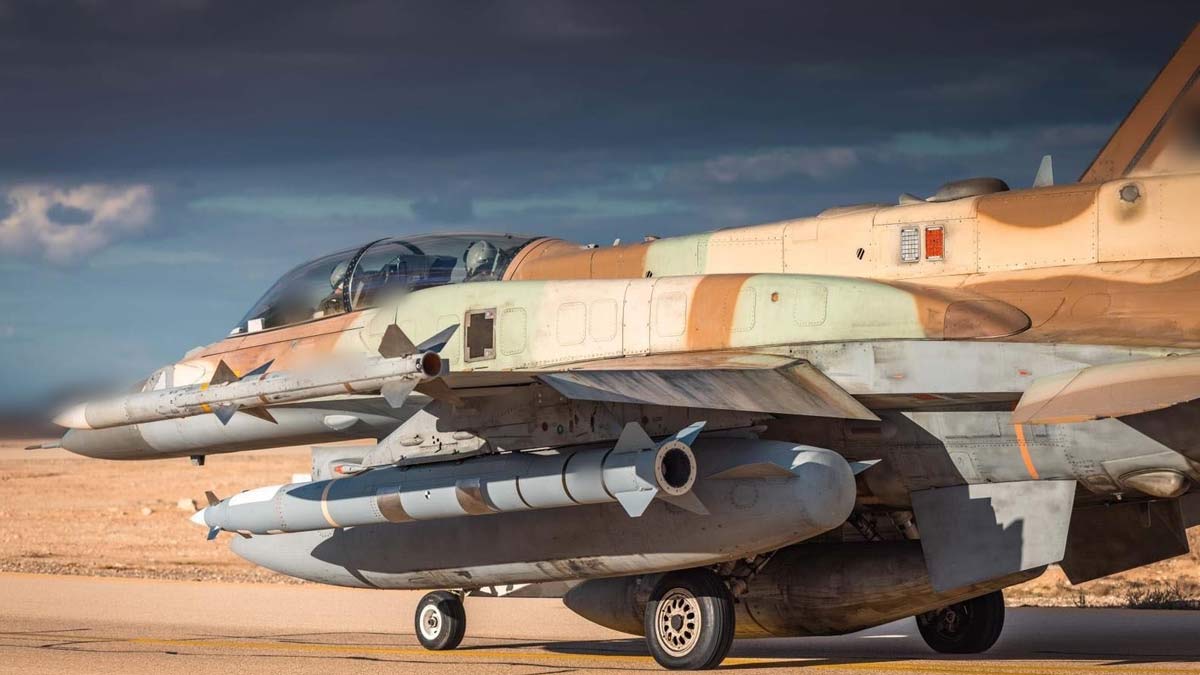
During Operation Sindoor, India had successfully deployed the long-range, supersonic, air-to-ground precision missile RAMPAGE, which it had procured from Israel. The Indian security forces reportedly used the missiles to target and destroy terrorist headquarters and air bases in Pakistan.
India, which has already integrated the air-to-ground missile, specifically designed for precision strikes from stand-off range against high-value, strategic targets, into its Su-30 MKI, MiG-29, and Jaguar fighter jets, was reportedly planning to procure large numbers of these ballistic missiles from Israel.
This Operation Sindoor star reportedly played a major role in the air strikes by Israel against various targets in Iran during the ongoing military conflict as well.
Engineered for rapid and effective response and designed to launch from a stand-off distance, the Israeli Air Force has been using this missile in conflicts in Gaza and Yemen, apart from Iran, as its supersonic speed and blast-fragmentation warhead deliver potent strikes within minutes, reducing collateral damage and mission costs.
The Israel Defense Forces (IDF) had also released images showing an Israeli Air Force F-16I Sufa armed with the missile before the strikes against Iran. The F-16I Sufa is a highly customised version of the F-16D Block 52+, which has been designed to specifically enhance the precision strike requirements of the Israeli Air Force at long ranges.
Designed to launch from a stand-off distance, RAMPAGE minimises risks to the fighter jet and its crew by enabling operations well outside enemy air defenses. The official release has offered a real-time view of how the IDF configures one of its major strike platforms against an enemy with a credible air defense.
The stand-off range of the missile enables the aircraft to operate outside the most heavily defended Iranian air-defense zones while still maintaining the ability to strike from a safe distance. This capability also allows it to engage fixed, high-value targets such as long-range radar systems and surface-to-air missile batteries. It can also target critical infrastructure, including communications hubs and logistics facilities.
