



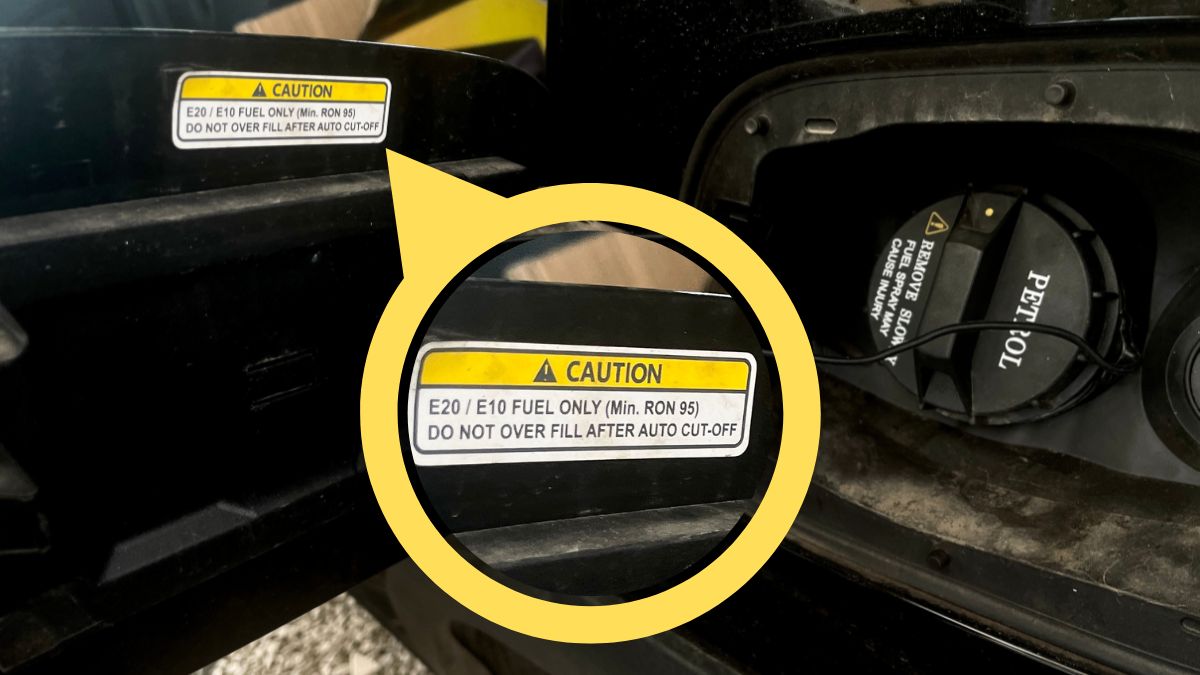
The Centre has mandated the sale of a new mix of petrol with certain specifications across all states and Union Territories from April 1, 2026.
The new mix involves regular petrol mixed with 20 per cent ethanol—in line with the Bureau of Indian Standards specifications—and is required to have a Research Octane Number (RON) of at least 95.
Why was this done?
The aim of the switch from regular motor spirit (regular petrol) to E20 petrol is to reduce crude oil imports and lowering vehicular emissions.
This is because a lesser percentage of petrol used per vehicle would translate into a significant decrease in petrol needing to be produced, and in theory, a reduced amount of petrol imports.
Ethanol, which is produced from crops like sugarcane, maize and other grains, is a renewable fuel, which is manufactured indigenously and burns more cleanly compared to conventional petrol.
When a fuel burns more cleanly, it offers more energy that would otherwise be lost as heat or smoke. Burning cleanly also increases the RON, which is a measure of a fuel's ability to burn in a stable manner, without creating 'knocking' sounds (as a result of uneven burning).
High RON means better fuel burning, which is why the government has mandated a RON value of at least 95 for the E20 mix. This could also translate into improved acceleration and smoother driving performance, the government has said in the past.
Earlier in 2025, E20 fuel even created controversy over compatibility issues: the fact that only cars and two-wheelers manufactured after April 2023 are compatible with E20 fuel, while older vehicles are likely to face slight decreases in mileage and minimal wear-and-tear of internal parts with it. While it reportedly doesn't present safety risks, it is the use of E20 fuel for older vehicles at existent prices, that has people concerned.
