



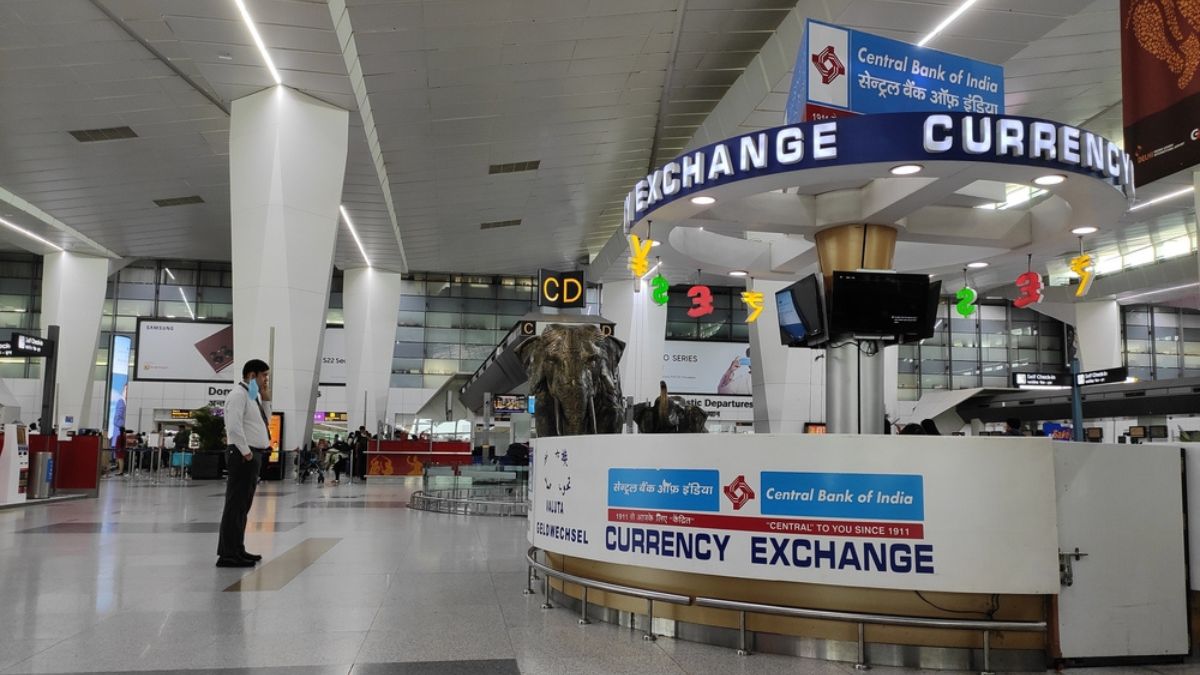
The tumble of the Indian rupee is directly leading to a fumble in the festive season holidaying plans for many Indians. Data insights by leading travel verticals now indicate that winter travel plans, especially for that cherished break at the end of the year or ringing in the new year at an exotic locale, are getting altered.
The Indian rupee has been on a decline in value over the past three years or so, though the drop has been pretty pronounced in the last few months. For example, at the beginning of 2022, the rupee was at 73 vs the dollar, though by the end of that year it had fallen almost by 10 rupees to 82—that’s mighty big by currency, making the rupee the worst-performing currency in Asia.
Since then, bad news has only gotten worse, with the tumble getting drastic this year—2025 started with the rupee at 85.50, from where it has consistently dropped down to the present 91 rupees or so. Cynics remark that it won’t be long before the Indian rupee will hit a century.
All that has had a pronounced impact on travel trends. “This winter season is witnessing a distinct shift in how Indians plan international holidays, as currency movements and festive-season costs are increasingly shaping travel decisions,” according to a statement by travel house Cox & Kings on Thursday afternoon.
However, it does not mean Indians have stopped travelling. One distinct change has been that Indians are cutting short their trips and opting for short-haul visits to value destinations.
“The weak rupee is significantly influencing travel choices, with Indian travellers becoming far more strategic rather than cutting back entirely,” said Karan Agarwal, director of Cox & Kings, “This shift reflects a broader move towards value-led, experience-dense travel in a volatile currency environment.”
The preference now? Choosing destinations with predictable on-ground expenses and lower exposure to long-haul dollar-linked travel costs.
A European trip that used to cost just above Rs 2 lakh earlier now would cost Rs 2.6 lakh or so on average, while an economy ticket alone to the US now tops Rs 1 lakh in most cases. That is where it starts to bite, because with the dollar strengthening by the day, budget planning goes for a toss. Since almost all foreign travel currency exchange happens in dollars, the decrease in value of the rupee to the dollar has meant that trip costs have spiked.
But instead of dampening demand, “the current environment is encouraging a more calibrated approach, with Indian travellers prioritising value, convenience and experience density,” according to Cox & Kings.
Destinations closer to India where the rupee has value, like Dubai or Vietnam, are now even more popular, thanks to easier visa norms, predictable infrastructure, experience options and minimal travel complexity.
The rupee’s value depreciation vis-a-vis the dollar has been attributed to a host of factors, right from the tariff pressures from the US, the decline in foreign investment into the country, the rise in India’s import bill, with anything from oil to other trade running at a huge deficit, and the RBI also slowing down its interventions in trying to prop up the rupee.
