



The feeling of uncertainty after a possible traffic violation can be quite stressful for any driver. You might find yourself constantly refreshing a webpage to see if you have been penalised, only to find no information at all. This digital gap occurs because the journey of a violation from a roadside camera to a government website is not as instant as an email. Performing an e challan status check minutes after an incident often results in zero data because of the intense verification process happening in the background. Whether you are performing a challan check in chennai or in any other busy metro, the delay is a standard part of how modern traffic systems manage millions of data points every single day. By understanding the layers of human review and server synchronisation, you can better manage your expectations and avoid unnecessary worry.
The transition from a physical event on the road to a digital record requires several checkpoints. These steps are essential to ensure that every fine issued is legally sound and factually correct. Without these delays, the system would be prone to frequent errors and incorrect charges against innocent motorists.
The Human Element in Automated Enforcement
While cameras are the primary tools for catching speeders or signal jumpers, they do not have the final say. Every image captured by a high definition camera must be validated by a human eye to ensure the context of the situation is understood.
Manual Verification by Command Centres
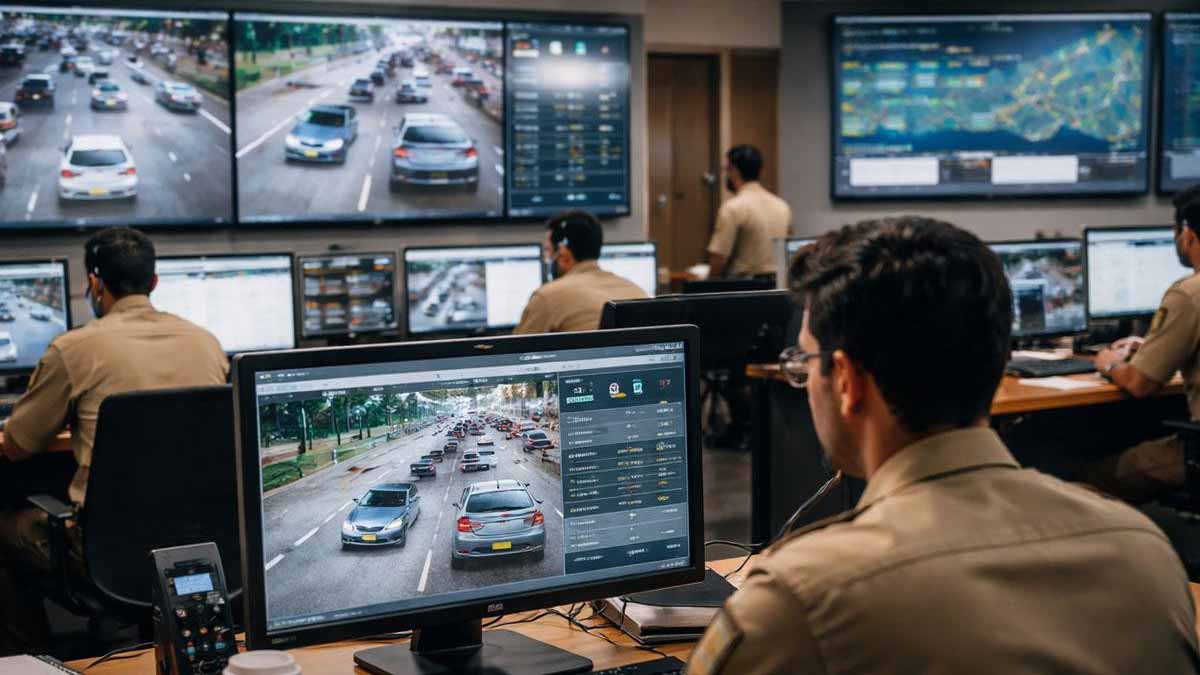
Once a potential violation is flagged by an automated sensor, it is sent to a central control room. Here, traffic officials manually review the footage to confirm that a rule was actually broken. They verify the number plate and check it against the national vehicle database to ensure the make and model match. This human intervention prevents machines from issuing fines for things like an emergency vehicle passing through a red light or a car moving slightly to make way for an ambulance. Because thousands of these clips are generated every hour, it takes time for the staff to clear the queue.
Ensuring Data Accuracy and Fairness
Manual reviews serve as a filter to remove low quality images or videos where the license plate is not clearly visible. If a camera produces a blurry image due to heavy rain or dust, an officer might decide to cancel the fine rather than risk penalising the wrong person. This quality control phase is one of the main reasons why a fine might not show up on your digital profile for several days.
Data Integration and Batch Processing
The traffic department does not operate on a single isolated computer. It relies on a network of servers that must talk to each other to update a driver's record. This communication often happens in stages rather than in real time.
Synchronisation Between Local and National Servers
Local city portals often act as the first point of entry for violation data. However, this information must then be synced with national databases to ensure it stays linked to your permanent driving record. Most government systems use batch processing to manage this flow. Instead of updating the website for every single fine, the system collects a large group of fines and uploads them all at once at the end of the day or week. This method keeps the servers stable but creates a noticeable delay for the user.
Challenges with Inter-State Violations
If you are driving a car registered in Maharashtra but commit a violation in Tamil Nadu, the data has to travel across different state networks. This inter state communication adds another layer of complexity. The local portal must verify the vehicle details with the home state transport office before the challan can be officially published. This process can sometimes take a week or more to complete.
Technical Latency and Maintenance Windows
Government portals are designed to be accessible to millions of people, which requires them to be very stable. To maintain this stability, the servers undergo regular updates and maintenance that can affect how quickly new information is displayed.
Scheduled Updates for Public Portals
Most city portals refresh their public facing data during off peak hours, such as late at night or during the weekend. If you check the portal during the day, you are likely looking at a snapshot of data from the previous night. It is a common mistake to think the system is empty just because it has not reached the next update cycle. Experts recommend waiting at least three to five days before assuming you are in the clear.
Managing Server Load During Peak Hours
During busy periods, such as the end of a month or after a major holiday, traffic portals experience a huge surge in visitors. To prevent the website from crashing, the system might slow down the rate at which it publishes new fines. Priority is given to payment processing and user queries, which can push back the data upload schedule.
Manual Challans and Handheld Device Delays
Not every fine is generated by an automated camera. Many violations are still recorded by officers on the ground using handheld electronic devices. These devices have their own specific reasons for delays in reflecting data online.
Syncing Issues with Mobile Devices
Traffic officers working in areas with poor mobile network coverage might not be able to sync their devices in real time. The data is stored on the device and only uploaded to the main server when the officer returns to the station or enters a high signal zone. This creates a gap between the physical interaction on the road and the digital record appearing on the portal.
Manual Entry Correction
If an officer makes a small typo while entering a vehicle number or name, the system might flag that record for correction. A supervisor must then review and fix the error before the fine can be made public. These small administrative tasks are common and contribute significantly to the overall time it takes for a fine to reflect on the portal.
The Role of Internal Quality Audits
Traffic departments perform regular audits to ensure their equipment is working as intended. If a specific camera is found to be miscalibrated, the department might temporarily withhold all fines from that location until a full review is complete.
Conclusion
The delay in traffic fines reflected on city portals is a byproduct of a system designed to be fair and accurate. From the manual review of video evidence to the complexities of server synchronisation, each step ensures that penalties are only issued when they are truly deserved. While it can be annoying to wait for information, these processes protect you from machine errors and administrative mistakes. Being a patient and responsible driver means checking your records periodically rather than expecting instant results. Staying informed and using official tools will help you manage your traffic responsibilities with ease.
