



On two consecutive evenings in October 2025, the worlds of art and intrigue collided in ways no curator could have scripted.
In London, the British Museum glowed pink under chandeliers for its inaugural ‘Pink Ball’, a high-society fundraiser themed around India. Guests in couture silks and brocade strolled past centuries-old artefacts, their laughter echoing through halls once meant for quiet contemplation.
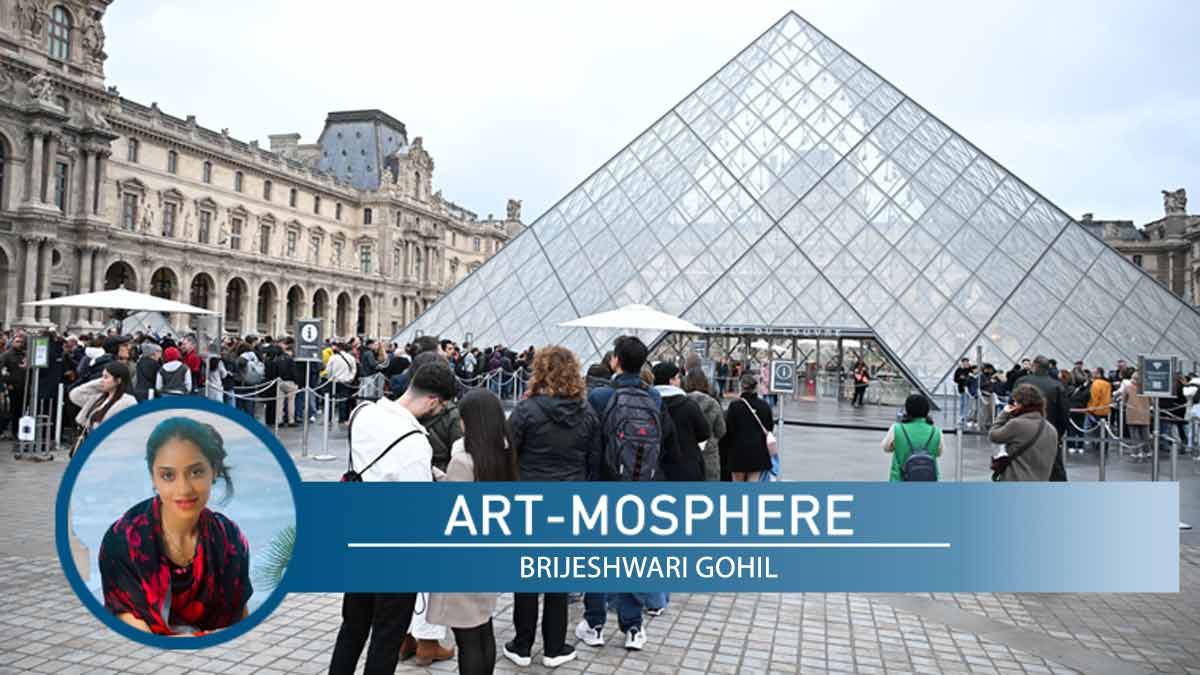
A day later, across the Channel, the Louvre in Paris made global headlines of an entirely different kind, eight royal jewellery pieces, collectively worth €88 million, were stolen in a swift, brazen, broad daylight heist.
Two events, worlds apart. Yet both expose a shared tension at the heart of the modern museum: where beauty meets money, and history meets spectacle.
For the British Museum, the gala was more than an evening of glamour, it was an elaborate attempt for survival. With public funding tightening, such events are lifelines. The ball drew a cornucopia of global patrons, celebrities, and collectors in a spectacle of philanthropy.
But the transformation of a cultural sanctuary into a ballroom raises difficult questions: when art becomes a backdrop for the elite, does the museum risk becoming a theatre of status rather than a repository of shared memory?
Meanwhile, in Paris, the Louvre’s theft served as a grim counterpoint. The robbery was executed with cinematic precision, exposing vulnerabilities long whispered about, staff shortages, outdated security, and the impossible balance between openness and protection.
Together, the ball and the heist reveal the paradox of our museums today: they must remain open to thrive, yet that very openness endangers the treasures they hold.
Whether through a gala auction or a criminal act, both events underscore a fundamental truth, museums are not neutral spaces. They are arenas where value, power, and cultural capital converge.
At the British Museum’s Pink Ball, India was a theme, its art, textiles, and history woven into décor and conversation. Yet this aesthetic celebration sits uneasily beside the unresolved debate over the museum’s possession of contested artefacts such as the Parthenon Marbles or the Amaravati Sculptures.
The Louvre’s stolen jewels, too, remind us of Europe’s long history of collecting and sometimes appropriating symbols of empire, monarchy, and conquest.
The question lingers: when priceless heritage is both celebrated and stolen, what does that say about how we value cultural artefacts?
For Indian observers, the British Museum’s gala carries an added layer of irony. Lavish, themed ‘around India’, the event sought global donations to sustain one of Britain’s most powerful cultural institutions, an institution still housing thousands of Indian artefacts.
It prompts an uncomfortable reflection: Should Indians, philanthropists, designers, industrialists be raising funds for museums abroad when the state of our own is far from spectacular?
Many of India’s public museums struggle with underfunding, poor infrastructure, and declining visitor engagement. Marble floors crack, climate controls fail, and artefacts gather dust behind outdated glass. Yet, across the world, India’s cultural legacy is often better preserved and more glamorously showcased in foreign halls.
Philanthropy, of course, knows no borders. But perhaps, conscience should. What if the same generosity that adorns a London ballroom could revitalise a museum in India? What if heritage was supported where it was born?
The British Museum and the Louvre, despite their wealth and fame, face the same fragilities as any institution that holds history: ethical, financial, and physical.
The British Museum’s grandeur cannot shield it from moral critique; the Louvre’s security systems cannot prevent audacious thefts. Both remind us that heritage, whether celebrated or stolen, is always precarious.
And perhaps this is the larger lesson of these two events that cultural institutions, no matter how monumental, exist in a fragile ecosystem of funding, ethics, and public trust.
The British Museum ball and the Louvre heist are not opposites; they are reflections. One gilded, one shadowed both revealing the same truth: that art today lives at the intersection of glamour and risk, reverence and commerce.
As the lights fade and headlines move on, what remains is a quiet question for us all:
Where should our cultural conscience reside? In funding the marble halls of an empire, or in rebuilding the humble museums that cradle our own history?
