


In India, the traditional notion of retirement is now at odds with three realities—changing demographics, increasing life expectancy, and the growing section of elderly population who strive to lead fulfilling and productive lives even after retirement.
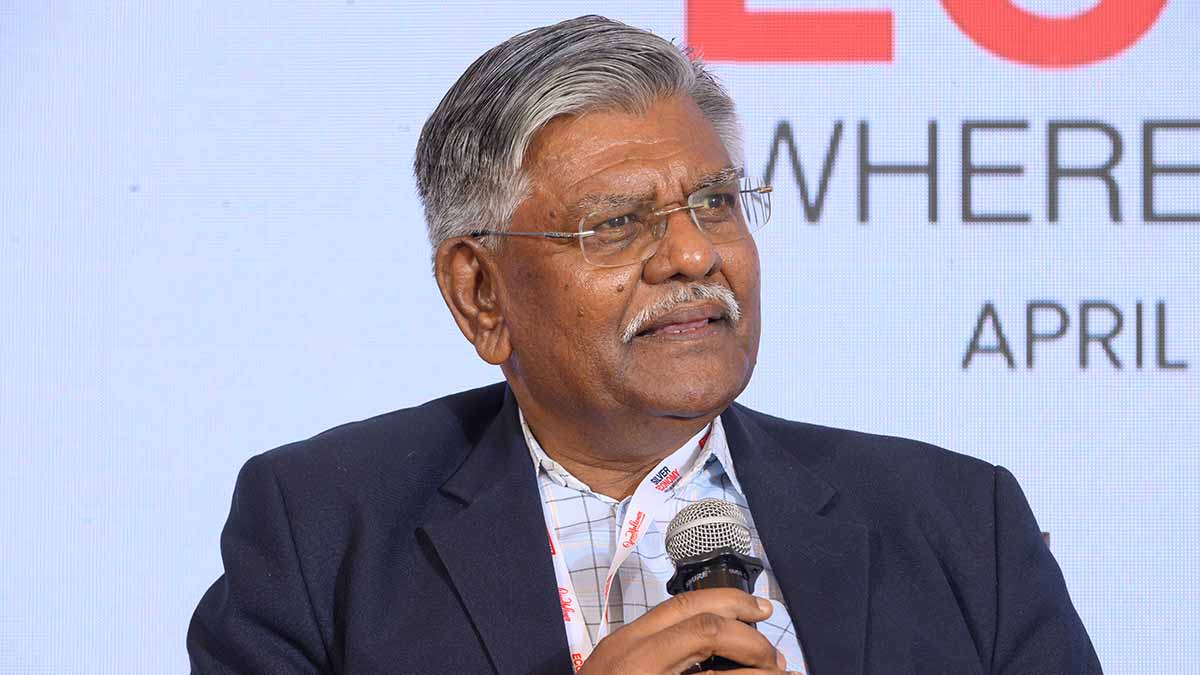
According to Prof S. Irudaya Rajan, development economist and migration scholar, the current societal model in the country often marginalises individuals after 60, offering a meagre pension and expecting them to “get lost”. “Many people in India now live more than 20 years after retirement,” Rajan said. “There is a pressing need to empower them with knowledge and skills, and to keep them actively engaged in society.”
To many people, the concept of retirement itself is alien. Particularly in rural communities, he pointed out, farmers equate retirement with death. “For a farmer who goes to the field and dies of a heart attack, there are no two retirements. Retirement from work is often retirement from the world,” he said.
Known for his research on ageing, demographic changes and development issues in India and South Asia, Rajan highlighted a crucial link between engagement and longevity. He said statistics from Kerala indicated that individuals retiring at 56, if not engaged, may die within two years. This inference, he said, can be made from the data related to individual pensions that are converted to family pensions after a retiree’s death. Conversely, an individual who remains active after retirement can live for another 30 years, “with his pension exceeding his last-drawn salary”.
“But it is not because of the money that you should engage yourself,” Rajan said. “At some point, you are not looking for money; you are looking to make your time fruitful.”
He advocates for policy changes that would ensure elderly people get a “second innings”: a period of continued engagement and contribution even after formal retirement. He said even small changes—such as initiatives that incentivise senior citizens to run pre-schools, or encourage them to enrol as “senior interns” in corporate organisations—can yield big benefits.
Rajan said every development policy, from employment schemes to insurance, should have an “elder component” that foster “active ageing, productive ageing and healthy ageing”. The vision, he said, should be one where the elderly are not just living longer, but living longer with purpose.
