



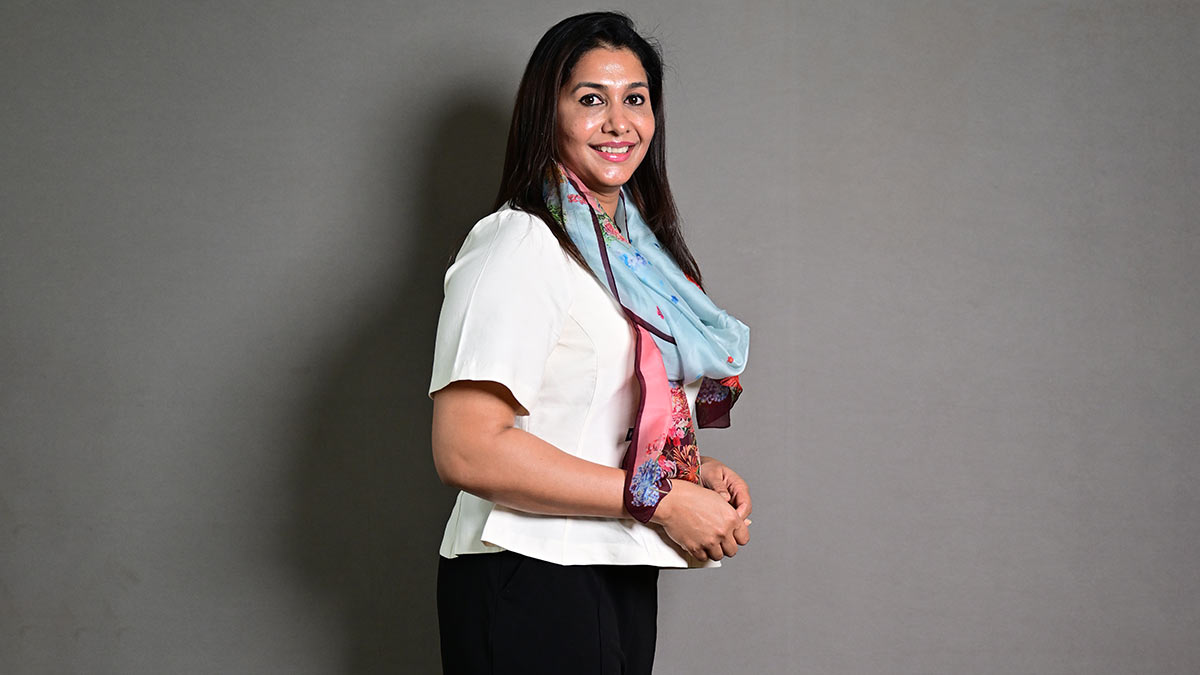
For an athlete who has stood tall on the world stage, the greatest battles were not always fought on the field. Sometimes, they unfolded quietly—in moments of disappointment, self-doubt and personal responsibility. When Anju Bobby George spoke at Mpowering Minds Summit 2026, it was clear that she had survived not just by physical power, but by emotional resilience.
Failure, she said, must be processed—not suppressed. “If I want to cry, I cry. If I want to do something else, I will do that,” she said candidly. Rather than masking disappointment, she allows herself to process it fully. After the tears, she sits down and resets her focus—breaking down her ambitions into long-term and short-term goals. Long-term goals, she explained, can feel overwhelming if they seem too distant. The key is to make progress measurable and immediate.
Even champions question themselves. At the 2004 Athens Olympics, expectations were immense, but George couldn’t win a medal. “I told my husband my career was over,” she said. It took her immense strength to emerge from the emotional turbulence and then she laced up her shoes to return to training.
Her journey also highlighted the invisible weight women athletes carry. “Support systems are crucial,” emphasised George. Balancing sports with motherhood, marriage and caregiving demands constant negotiation.
Then there are deeper responsibilities. For seven years, her mother remained in a coma. Behind the medals and public appearances was a daughter navigating duty and emotional strain. “It’s easy to talk about balance,” reflected George. “But the reality is different—you have to learn to manage everything.”
Being a sportsperson, body image and ageing have brought their own challenges. Once criticised for competing in what some called a “manly game”, George later faced scrutiny for pregnancy weight gain. After her first child, she returned to peak fitness within six months. After her second, it took her around five years. Now in her 40s, she is confronting new physical changes. Amid all this, she holds on to one lesson: “Love yourself and find space for yourself.”
Her mental strategy is practical and powerful—always have a Plan A, B and C. “If you have only one plan, you feel like life is over when it fails,” said George. Backup plans create psychological safety.
She has a simple health mantra for everyone admiring her energy: Drink plenty of water, eat protein-rich food and carve out “me time”. For her, that might mean strength training—“being in the gym is like living my life”—or simply watching a movie.
