



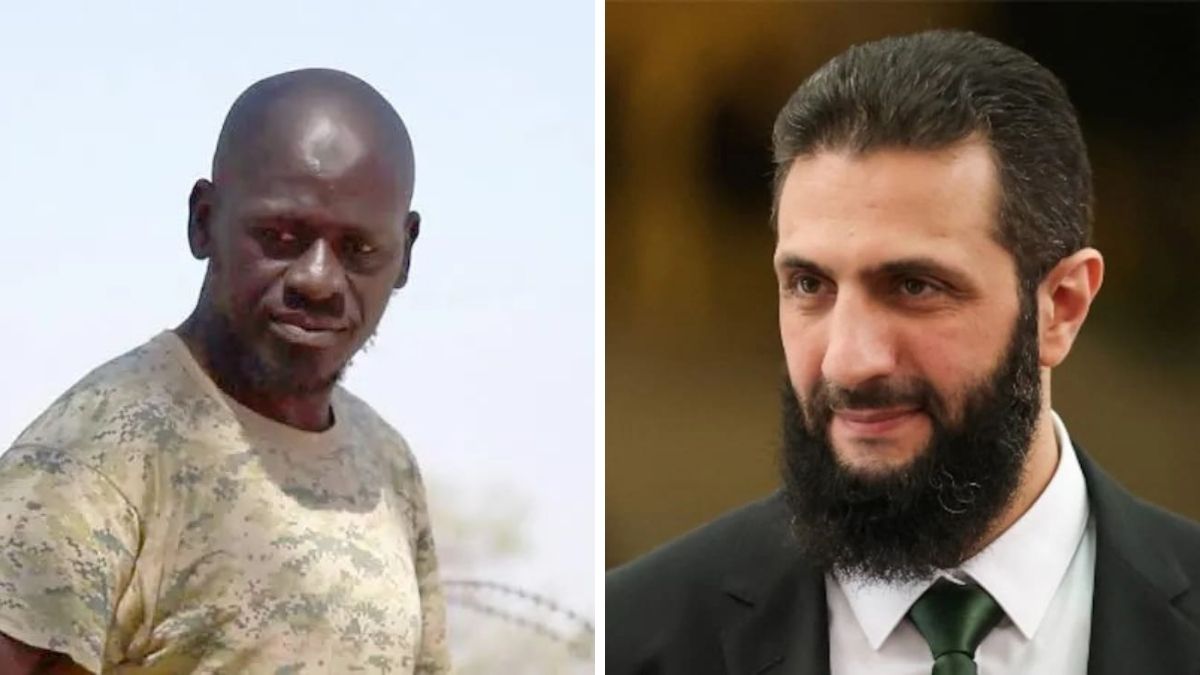
Last Tuesday, the Syrian security forces launched a major operation in the Idlib Province against the jihadist group Firqat al-Ghuraba (FG), which French-Senegalese national Omar Omsen leads. The FG group consists of French and Francophone individuals. The operations followed allegations of kidnapping and the breakdown of negotiations with the group. The operation has already ended in a truce after an agreement was reached that provides for a ceasefire and allows the Syrian government to enter the FG camp. This operation, in Syria’s northwest region, is particularly notable as it marked the Ahmad al-Sharaa-led Islamist government's reportedly first known assault targeting a Foreign Terrorist Fighters (FTFs) group since Bashar al-Assad’s ouster last year. The operations against the FTF group signal two interlinked objectives of the al-Sharaa-led transitional government: to signal international responsibility and to assert domestic authority.
The protracted Syrian civil war was a magnet for foreign volunteers who wanted to live in an Islamic Caliphate. According to estimates, a massive 40,000 foreign nationals from 110 countries travelled to the conflict zones in Iraq and Syria. While most fighters came from the Middle East, a substantial number also arrived from Europe. For example, about 1,490 French citizens joined groups like ISIS (Islamic State of Iraq and Syria), al-Nusra, as well as other violent non-state actors. ISIS was incredibly effective at drawing these recruits. A major part of ISIS’s success was its manipulation of Islamic eschatology (doomsday prophecies). They heavily promoted the idea that the final, decisive battle would happen in Sham (Greater Syria), which gave the FTFs a powerful, religiously mandated reason to join the fight. This was coupled with strong anti-Western rhetoric and the promise of a strictly enforced Islamic legal system in the territories they controlled. However, the environment for these FTFs shifted dramatically due to two big moments: the collapse of ISIS's territorial Caliphate (around 2019) and the more recent ouster of the Bashar al-Assad regime by Hayat Tahrir al-Sham (HTS), a group that al-Sharaa led (December 2024).
With jihadist influence fading and the political landscape shifting, groups like FG are now a real focal point. As these remnants struggle to decide their next move in a radically changed region, their presence is not just a local problem but a crucial test of the new government's ability to address threats that cross borders.
The operation against French FTFs can be interpreted within the broader context of al-Sharaa’s government seeking to consolidate its legitimacy. The administration’s recent security measures appear to reassure the international community of Syria’s stability and reliability, an effort that, in turn, could pave the way for further sanctions relief. Granted a UN exemption to travel to Paris in May, al-Sharaa met French President Emmanuel Macron, who subsequently urged European and U.S. leaders to reconsider punitive measures against Damascus. Following that visit, the EU lifted most of its sanctions, and the UK also eased its sectoral restrictions. A prominent human rights organisation claims that al-Sharaa pledged to France to neutralise and repatriate French jihadists in Syria. This makes the operation against the French militants a strategic move, signaling that al-Sharaa's government is worthy of international acceptance.
On the domestic front, the crackdown on the FG is likely to be driven by the extremely difficult relationship they have with the HTS. While FG has sometimes teamed up with HTS in larger coalitions (like Ansar al-Tawhid and the Turkistan Islamic Party), it's also got a history of constant fights and disagreements over ideology with the people in charge. A factor further complicating the situation is that a number of FTFs have recently petitioned the Islamist-led government for citizenship, asserting they earned this right through their service in the rebellion. This development has sparked public resentment towards foreign militants and heightened the government’s need to establish a clear boundary between insiders and outsiders. It appears to be a calculated maneuver by HTS to reaffirm its political authority, consolidate control, and placate local populations who remain wary of foreign influence within the militant landscape.
Furthermore, the Syrian regime can use the incident internally to signal its zero-tolerance stance towards lawlessness, particularly when perpetrated by militant factions. Within these camps, French militants have long operated an autonomous judicial system whereby they have been conducting trials and enforcing punishments entirely beyond the reach of the Syrian state. Since the collapse of the Assad era, FTF loyalists have grown increasingly disenchanted by the transitional government’s reluctance to enforce Islamic Sharia.
It's too early to say that Syria is gearing up for a huge campaign to wipe out all the FTF groups completely. The country has too many problems —limited resources, weak security, and a fragile peace —for an operation like that to work. The transitional government is still trying to get its footing; it simply cannot risk the stability it has achieved with overly ambitious military action. If the situation goes downhill, there's a good chance these FTF factions, especially the French, Uzbek, and Chechen militants, would regroup, form new alliances, and potentially restart the conflict across northern Syria.
