



Estrogen is often labeled as a 'female hormone', but it plays a vital role in men’s health as well. When estrogen levels in men fall below a healthy range, the effects can quietly disrupt everything from bone strength to mood and heart health.
In women, estrogen plays a critical role in female puberty and controls the menstrual cycle. In men, estrogen is produced in smaller amounts, mainly through the conversion of testosterone by an enzyme called aromatase. When estrogen levels in men become too low, it can lead to a range of physical, mental, and sexual health issues that are often overlooked.
What are the normal levels of estrogen in men?
As per Medical News Today, some medical centers estimate a healthy estrogen level for me to fall between 10 to 50 picograms per milliliter (pg/mL).
What happens if the levels are low?
One of the most significant effects of low estrogen in men is bone loss. When levels drop, bones can become weaker and more brittle, increasing the risk of fractures and osteoporosis. Low levels of estrogen may also cause decreased sex drive, excess fat around the belly, and an increased risk of cardiovascular diseases.
Low estrogen can negatively affect sexual health as well. While testosterone drives libido, estrogen supports erectile function by maintaining healthy blood vessels. Men with low estrogen may experience reduced libido, erectile dysfunction, or difficulty maintaining erections despite having normal testosterone levels.
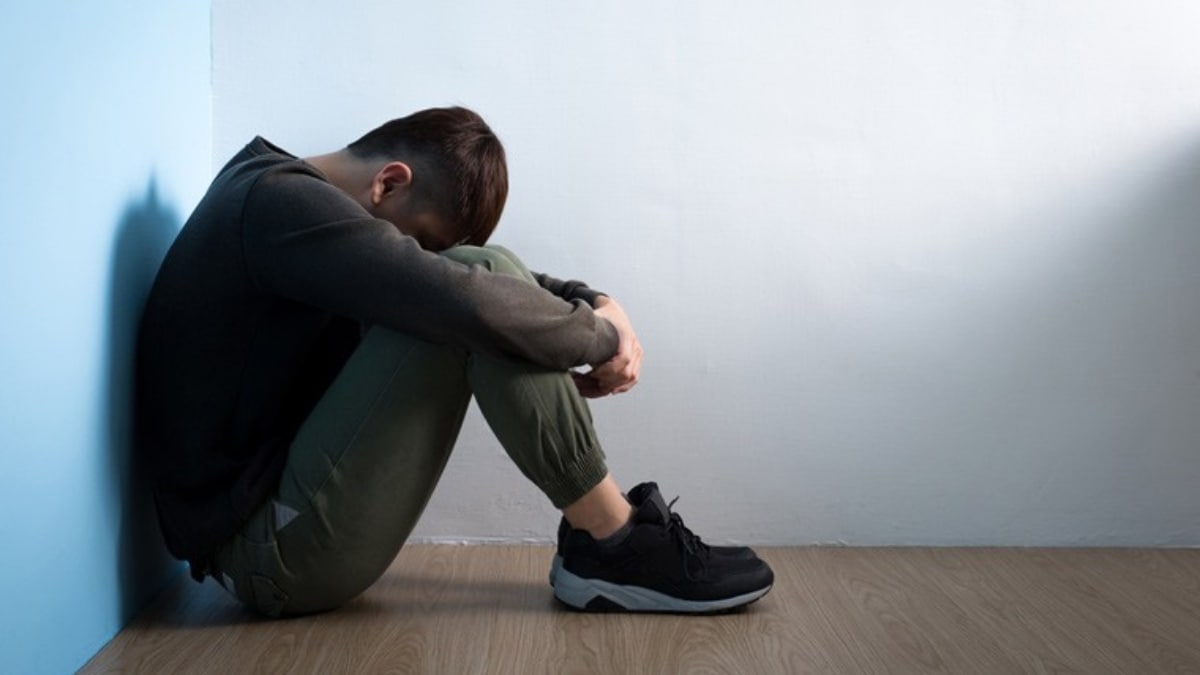
Another important consequence is its impact on mood and cognitive health. When estrogen is low, men may experience mood swings, irritability, anxiety, depression, or difficulty concentrating.
"Men with lower levels of estrogen are at a risk of suffering osteoporosis and also increased mood disorders, which is often overlooked," said Dr Jyotsna R Dass, a Hyderabad-based senior resident.
What happens if the levels are high?
High estrogen levels can hinder the functioning of the body's functions and can cause symptoms such as infertility, erectile dysfunction, and depression, according to experts at Medical News Today.
For more information, consult a health expert.
