



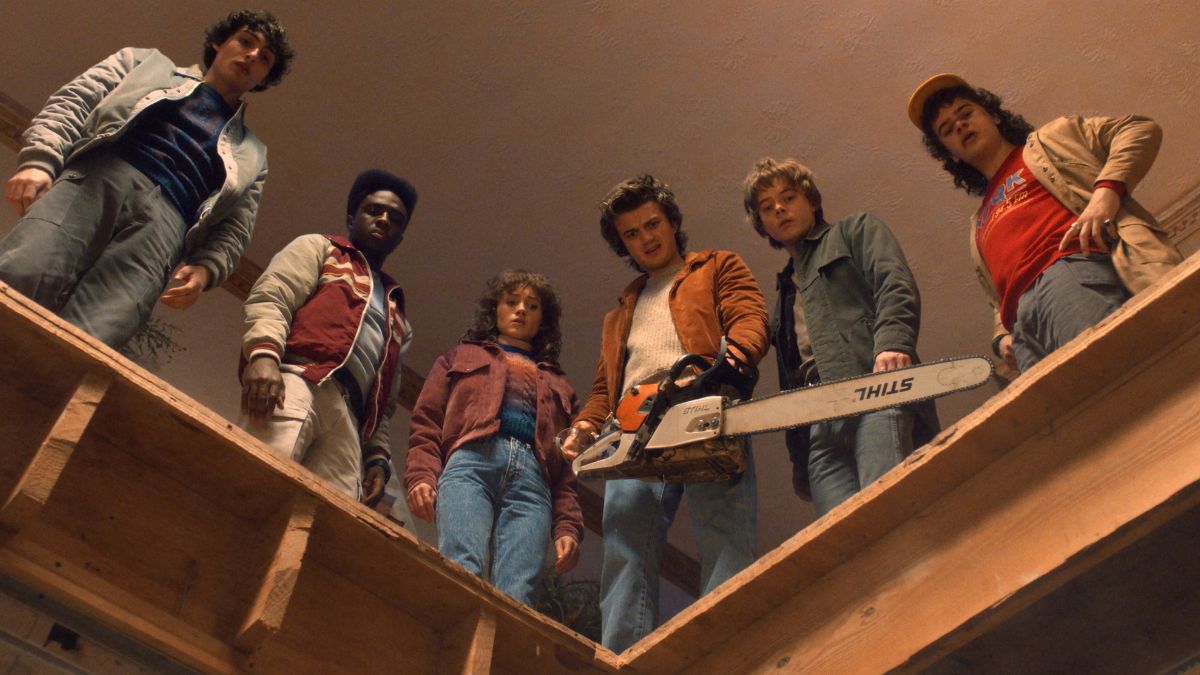
The journey into the ‘Upside Down’ has been quite uplifting for Netflix. The leading OTT player has shown, once again, with the latest season of its marquee show Stranger Things, that while virality, marketing, social media promotions and all those new rules of the age of the algorithm are fine, there is nothing like good, engaging content that can help you come out on top.
“You could take a bet on an original story, and grow it into a major franchise that has massive global appeal,” Netflix chief content officer Bela Bajaria said in an interview.
A top-of-the-pile 10,000 crore worth global appeal, in fact.
According to streaming economics data by US-based Parrot Analytics, Stranger Things has already generated one billion dollars in global revenue for Netflix since 2020 – that’s the equivalent of some 8,800 crore in Indian rupees. Add to that an additional 1,700 crore or so that the latest (and last) season is expected to bring in, the total revenue from just this one show is going to reward the OTT player very handsomely indeed – upwards of a mindboggling 10,000 crore rupees.
Not Game of Thrones, not Bridgerton, and not Squid Games – Stranger Things is the biggest thing on TV.
Not bad when you remember that the storyline of teens in 80s America fighting monsters from a netherworld-like ‘Upside Down’ was rejected by almost every other studio in Hollywood, before Netflix decided to take a chance on it. The first season, with its homage to iconic sci-fi and horror flicks like E.T. as well as comforting doses of 1980s nostalgia, was a runaway hit when it came out in 2016, winning the Screen Actors Guild award for outstanding performance by an ensemble in a drama series the next year.
The show hasn’t looked back since, with season after season getting bigger in production value, even while hitting new audience records – critics feedback was less consistent (especially about the first lot of the latest series), but that didn’t matter as it meant a steady stream of not just off-screen revenue in merchandising, but subscription spikes every time a new season was premiered. In fact, the only criticism from fans who can’t seem to get enough of the show was the inordinately long gap between seasons. The present ‘final season’, for example, comes after a nearly three-and-a-half-year gap.
Netflix dropped the first four episodes of the finale season this week on the eve of Thanksgiving in the West (Thursday in India), and the internet went crazy. As millions of fans of the series logged in to catch the new season, its servers crashed, with the OTT showing error messages for several hours before it was rectified. But for Netflix, it’s a badge of that ultimate Internet honour, when your show even crashes the network.
The remaining set of episodes is slated for the festive week, on Christmas Eve, and a grand, hopefully satisfying cataclysmic series finale on New Year’s Day.
Being a listed company, the staggered timing from the very company that taught us how to binge-watch serves a purpose. It was first tried by Netflix on Stranger Things itself during its fourth season. This time, by spreading the show across November and December and the finale to January, the company hopes to stretch subscriptions across at least three months (and two quarters), stretching the bang for their buck spent on the big show (final season episodes are rumoured to cost 500 crore rupees or so each) and getting better subscription metrics to show to shareholders and the larger market.
It should help, because Parrot Analytics say Netflix gained at least 20 lakh new subscriptions thanks to Stranger Things in the last few years alone. Season 4 got a viewership of 14 crore in the first three months alone, thus making it one of the most valuable shows in OTT history.
Then there is also the ancillary revenue — merchandising to spin-offs (there is an animated series and a broadway musical on the anvil) to music being used as BGM (Kate Bush’s ‘Running Up That Hill’ re-entered the charts after its use in a pivotal moment in S4, rising up to No.1 in UK singles charts – almost 40 years after its original release!) as well as live events. In fact, contrary to its usual scheme of things, the OTT giant is also planning to screen the final episode, the series finale, on January 1 in select cinema theatres, as well.
In India, Stranger Things has umpteen fans, making Netflix roll out a massive advertising strategy of splashing out on billboards across Mumbai and Delhi NCR. The show has been released in Hindi, Tamil and Telugu as well, and the India team must definitely be hoping that their last year’s revenue of 3,768 crore rupees gets a leg up this year, thanks to Eleven, Hopper and gang. There IS an upside to demagorgons and fellow monsters who wreak terror on unsuspecting kids, very apparently.
